
Lockheed Years Spying: U-2 Dragon Lady Retirement Finally Approaching in 2026
The U.S. Air Force moves forward with retirement plans for the iconic Lockheed U-2 Dragon Lady spy plane in 2026, ending seven decades of Cold War intelligence operations and reshaping global surveillance capabilities.

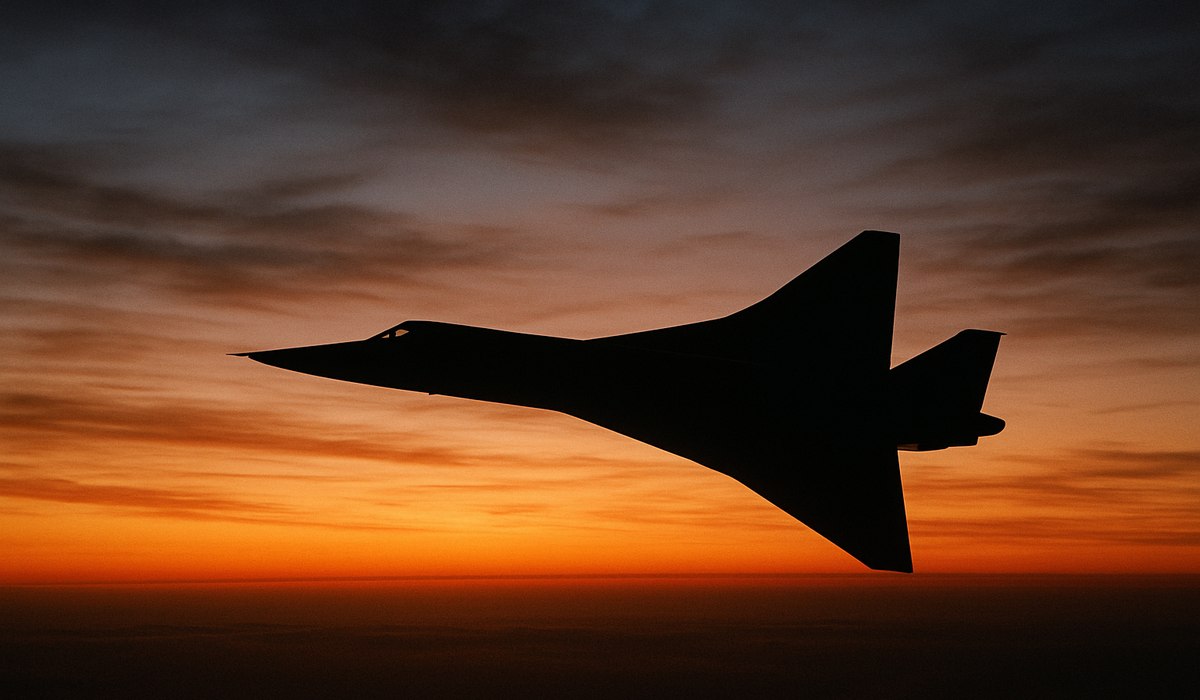
Image generated by AI
The U.S. Air Force Phases Out the Legendary U-2 Dragon Lady After Seven Decades
The U.S. Air Force has officially prioritized retirement of the iconic Lockheed Martin U-2 "Dragon Lady" reconnaissance aircraft, marking a watershed moment in military aviation history. After 70 years of continuous intelligence-gathering operations spanning from Cold War tensions to modern counterterrorism missions, the Pentagon is preparing to decommission this high-altitude spy platform. The decision reflects broader military modernization efforts aimed at reallocating defense budgets toward advanced surveillance technologies and next-generation aircraft platforms. This transition represents a significant shift in how the United States conducts global intelligence operations and maintains aerial reconnaissance capabilities.
The U-2's Seven Decades of Intelligence Service
The U-2 Dragon Lady entered operational service during the height of Cold War anxieties in 1956, becoming one of aviation's most secretive and consequential platforms. For nearly seven decades, the aircraft achieved legendary status within intelligence communities worldwide, conducting thousands of reconnaissance missions across hostile territories. The plane's ultra-high-altitude capabilities—reaching above 70,000 feet—made it initially invulnerable to conventional air defense systems. During the Cuban Missile Crisis of 1962, U-2 pilots provided critical photographic evidence of Soviet missile installations, potentially preventing catastrophic nuclear escalation. The aircraft continued serving through Vietnam, the Middle East conflicts, and contemporary operations in Afghanistan and Iraq. Its reliability and sophisticated sensor packages made the U-2 indispensable for policymakers requiring real-time intelligence on adversary movements, weapons development, and strategic intentions.
Why The Pentagon Wants Retirement Now
Lockheed years spying with the U-2 Dragon Lady face obsolescence as the Department of Defense redirects resources toward satellite-based and unmanned aerial systems offering superior intelligence capabilities. Modern spy satellites provide persistent surveillance without pilot risk, while advanced drone platforms deliver lower operational costs and reduced training requirements. The aging U-2 fleet demands increasingly expensive maintenance, specialized pilot training programs, and infrastructure support that strains military budgets. Skilled U-2 pilots require years of instruction in high-altitude physiology and advanced reconnaissance techniques, making recruitment and retention progressively difficult. Additionally, newer unmanned surveillance aircraft can operate in contested airspace where the U-2's manned design presents strategic vulnerabilities. The Air Force estimates that retiring the Dragon Lady will free approximately $1.5 billion annually for modernization initiatives, cyber defense capabilities, and emerging technology development. Military strategists argue that satellite constellation networks and hypersonic reconnaissance platforms offer superior coverage with acceptable risk profiles.
Modernization and Budget Priorities Driving Change
The U.S. military's strategic pivot toward unmanned and space-based intelligence represents fundamental transformation in how nations conduct aerial reconnaissance. Budget pressures following two decades of continuous military operations have intensified congressional scrutiny of legacy systems. The Air Force's Future Operating Concepts emphasize artificial intelligence-enhanced targeting, autonomous systems integration, and multi-domain command and control architectures. Newer platforms like the RQ-180 stealth reconnaissance aircraft and advanced satellite systems promise enhanced capabilities while reducing personnel requirements. Space Force expansion reflects Washington's commitment to space-based intelligence, surveillance, and reconnaissance dominance over near-peer competitors. Environmental considerations also factor into retirement calculations, as the U-2's fuel consumption exceeds modern turbofan-powered alternatives. The Dragon Lady retirement aligns with broader Pentagon strategy favoring distributed, resilient intelligence architectures less vulnerable to conventional anti-aircraft systems.
What Comes Next for Global Intelligence Operations
Transition planning for post-U-2 era intelligence operations encompasses sophisticated coordination between the Air Force, CIA, and National Reconnaissance Office. The U.S. government is investing heavily in advanced satellite constellation networks capable of persistent global monitoring. Unmanned high-altitude platforms, including the RQ-4 Global Hawk system, will assume reconnaissance responsibilities formerly designated to manned U-2 missions. Training pipelines currently supporting U-2 operations will be redirected toward drone pilot certification and satellite mission specialists. International partners operating U-2-derived reconnaissance platforms, including Japan and South Korea, face similar modernization pressures. The intelligence community expects minimal operational gaps during the transition period due to complementary capabilities from space-based and unmanned systems. Declassified historical archives will preserve the U-2's remarkable legacy for future military strategists and aviation historians studying Cold War intelligence achievements.
Key Data on the U-2 Dragon Lady Program
| Metric | Details |
|---|---|
| Service Entry Date | 1956 (70 years of operations) |
| Aircraft Manufacturer | Lockheed Martin Corporation |
| Maximum Altitude | 70,000+ feet above sea level |
| Operational Speed | Mach 0.8 (approximately 500 mph) |
| Mission Duration | 12+ hours continuous flight |
| Current Fleet Size | Approximately 30-35 active aircraft |
| Annual Operating Cost | Estimated $1.5 billion across entire program |
| Notable Operations | Cuban Missile Crisis, Vietnam War, Middle East surveillance |
| Replacement Systems | RQ-4 Global Hawk drones, satellite networks |
| Retirement Timeline | Expected completion by 2028-2030 |
What This Means for Travelers and Global Operations
While the U-2's retirement primarily affects military intelligence operations, travelers should understand how this transition influences global airspace management and international security environments. The phased retirement of Cold War-era reconnaissance platforms reflects broader shifts in international relations and military modernization that indirectly impact commercial aviation routes. Reduced military aircraft operations in certain regions may streamline civilian air traffic management and potentially improve flight efficiency. Understanding these defense modernization decisions helps frequent international travelers appreciate geopolitical contexts affecting flight safety, airspace closures, and international cooperation protocols.
Traveler Action Checklist:
- Stay informed about airspace restrictions through FlightAware for real-time flight tracking and notices
- Review FAA guidelines regarding military operations and temporary flight restrictions
- Monitor U.S. DOT consumer protection resources for aviation policy updates
- Check airline notifications regarding potential routing changes due to airspace modifications
- Understand that military modernization typically does not directly impact commercial passenger flights
Frequently Asked Questions About U-2 Retirement
When will the U-2 Dragon Lady be completely retired from service?
Pentagon planning indicates full retirement completion between 2028 and 2030, allowing adequate transition time for replacement systems to achieve operational status. The phased approach ensures no intelligence collection gaps during the changeover period.
What aircraft will replace the U-2 Dragon Lady's reconnaissance capabilities?
The RQ-4 Global Hawk unmanned system and advanced satellite constellations will assume primary reconnaissance responsibilities. These platforms offer enhanced persistence and reduced pilot risk compared to manned U-2 operations.
How many U-2 aircraft are currently in active service?
Approximately 30 to 35 U-2 Dragon Lady aircraft remain in the active Air Force inventory, though only a portion fly regularly due to maintenance cycles and operational requirements.
Why hasn't the U-2 been retired earlier despite its age?
The aircraft's exceptional high-altitude capabilities, sophisticated sensor packages, and proven reliability in critical intelligence missions prolonged its operational life beyond typical military platforms. Budget constraints and lack of adequate replacements delayed retirement decisions until recent modernization initiatives matured.
Related Travel and Technology Guides
- Understanding Military Airspace Restrictions for Commercial Pilots
- How Defense Modernization Affects International Flight Routes
- [Cold War Aviation History and Modern Geopolitical Impact
Raushan Kumar
Founder & Lead Developer
Full-stack developer with 11+ years of experience and a passionate traveller. Raushan built Nomad Lawyer from the ground up with a vision to create the best travel and law experience on the web.
Learn more about our team →