
U.S. Department of State Renews Level 3 Travel Advisory for Israel and West Bank in 2026
The U.S. government maintains a Level 3 'Reconsider Travel' warning for Israel and the West Bank, citing terrorism, unrest, and strict border restrictions.

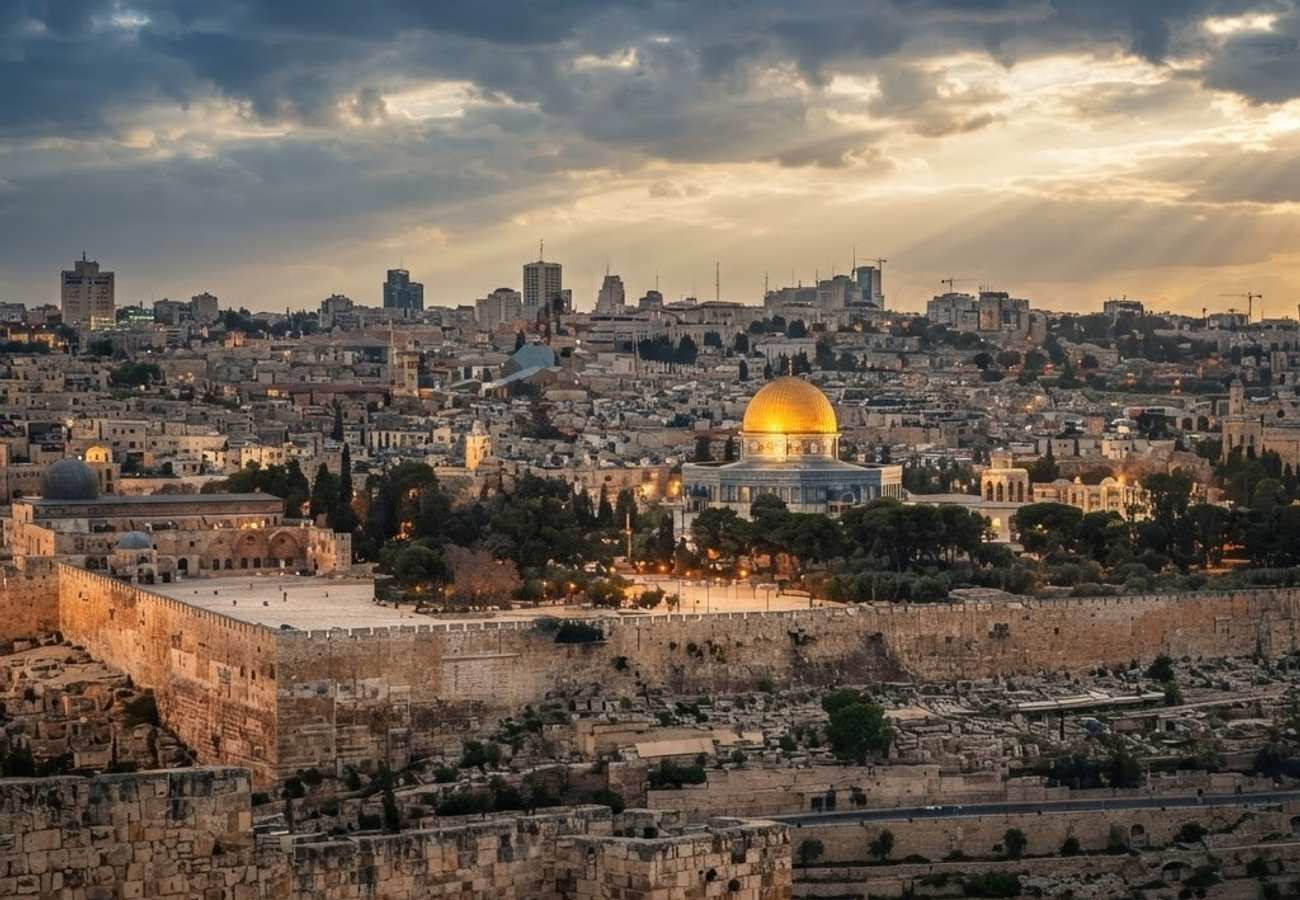
Image generated by AI
The United States has renewed its Level 3 “Reconsider Travel” advisory for Israel, citing heightened terrorism threats and the potential for sudden movement controls. Specific border zones remain under a strict “Do Not Travel” mandate due to active conflict risks.
The U.S. Department of State updated its guidance in late August 2026, maintaining the Level 3 status for both Israel and the West Bank. This classification indicates that serious safety and security risks are present, urging citizens to avoid non-essential trips. The renewal is driven by regional instability involving Iran and various militant groups, which increases the likelihood of rocket fire and cross-border attacks targeting northern and southern regions.
High-Risk Exclusion Zones
While the general advisory is Level 3, the State Department has designated specific "Do Not Travel" zones where the risk of armed conflict, military operations, and falling debris from missile defense systems is extreme.
| Restricted Zone | Boundary Specification | Risk Level |
|---|---|---|
| Northern Border | Areas north of Route 85 to Route 90 and Route 87 | Do Not Travel |
| Gaza Perimeter | Within 11.3 kilometers (7 miles) of the Gaza Strip | Do Not Travel |
| Egypt Border | Within 2.4 kilometers (1.5 miles) of the border (excluding Taba crossing) | Do Not Travel |
Travelers are warned that security events in these perimeters unfold rapidly, often leaving zero lead time to seek shelter. Ground-level reports indicate that militarized perimeters and checkpoints frequently lead to sudden road closures.
West Bank Transit and Movement Restrictions
The West Bank is also classified as Level 3. Movement within this territory is subject to volatile Israeli security operations, which can result in immediate curfews and roadblocks.
For U.S. government personnel, travel is heavily restricted. Official trips require special authorization, and personal travel is generally barred except via specific corridors. Permitted movement for staff is often limited to:
- Primary Arteries: Routes 1, 90, and 443.
- Controlled Access: Restricted hours for visits to Bethlehem and Jericho.
- Primary Entry: Checkpoint 300 remains the main gateway into Bethlehem.
Civilians should expect checkpoints to implement age or gender-based entry limits into Jerusalem and other hubs without prior notice.
Aviation and Border Crossing Volatility
Land crossings remain highly unstable. The Erez crossing (Gaza) has remained closed for extended periods since late 2023, and the Rafah crossing (Egypt-Gaza) continues to face heavy restrictions.
For those arriving via air, the volatility of the regional security environment can lead to sudden flight cancellations or the closure of air corridors. Transit authorities recommend verifying airport status and airline operations immediately prior to departure.
Traveler Logistics Guide: Navigating High-Risk Transit
From a ground-level perspective, navigating a Level 3 environment requires a shift from standard travel planning to a risk-management approach.
1. Digital Readiness and Alerts Do not rely on standard GPS for border regions, as roads may be closed by military checkpoints. Download local rocket and drone warning applications used by Israeli residents. Enroll in the Smart Traveler Enrollment Program (STEP) to ensure the U.S. Embassy can locate you during an emergency.
2. Connection and Booking Strategies Avoid tight connections in regional hubs. Given the potential for air corridor disruptions, book flexible tickets and secure comprehensive travel insurance that specifically covers "political evacuation" or "security-related cancellations."
3. Health and Vaccination Protocols The CDC currently maintains a Level 2 health notice for Israel, the West Bank, and Gaza. Travelers should ensure they are up to date on polio vaccinations and general preventative health measures before entry.
4. On-the-Ground Safety Identify "hardened structures" or designated shelters in every hotel or venue you visit. Avoid large gatherings and political demonstrations, as these are primary flashpoints for sudden security escalations.
Infrastructure and Regional Impact
The persistence of the Level 3 advisory has forced a reconfiguration of regional tourism. Many tour operators have permanently rerouted itineraries to avoid the 11.3km Gaza buffer and the northern border zones. This shift has concentrated tourism in central hubs like Tel Aviv and Jerusalem, while reducing economic activity in border-adjacent communities. The volatility of the Erez and Rafah crossings continues to hamper humanitarian logistics and diplomatic movement, reinforcing the area's status as a high-friction transit zone.
Security conditions remain dynamic; constant monitoring of official government channels is mandatory for all transit.
Related Travel Guides
Disclaimer
This article is for informational and educational purposes only. It does not constitute legal, financial, or professional advice. While we strive to provide accurate and up-to-date information, travel policies, regulations, and conditions change rapidly. Always verify information with official sources before making travel decisions. Nomad Lawyer makes no representations about the accuracy, reliability, completeness, or suitability of the information provided. Readers should consult qualified professionals for advice specific to their circumstances. The views expressed in this article are those of the author and do not necessarily reflect the views of Nomad Lawyer.
Kunal K Choudhary
Co-Founder & Contributor
A passionate traveller and tech enthusiast. Kunal contributes to the vision and growth of Nomad Lawyer, bringing fresh perspectives and driving the community forward.
Learn more about our team →