
Turkey and Israel Cross-Border Travel Warned as Middle East Geopolitical Turmoil Escalates, Squeezing Eastern Mediterranean Tourism: New Travel Alert
Geopolitical friction between Turkey and Israel triggers elevated travel warnings, rerouted flights, and regional tourism shifts in 2026.

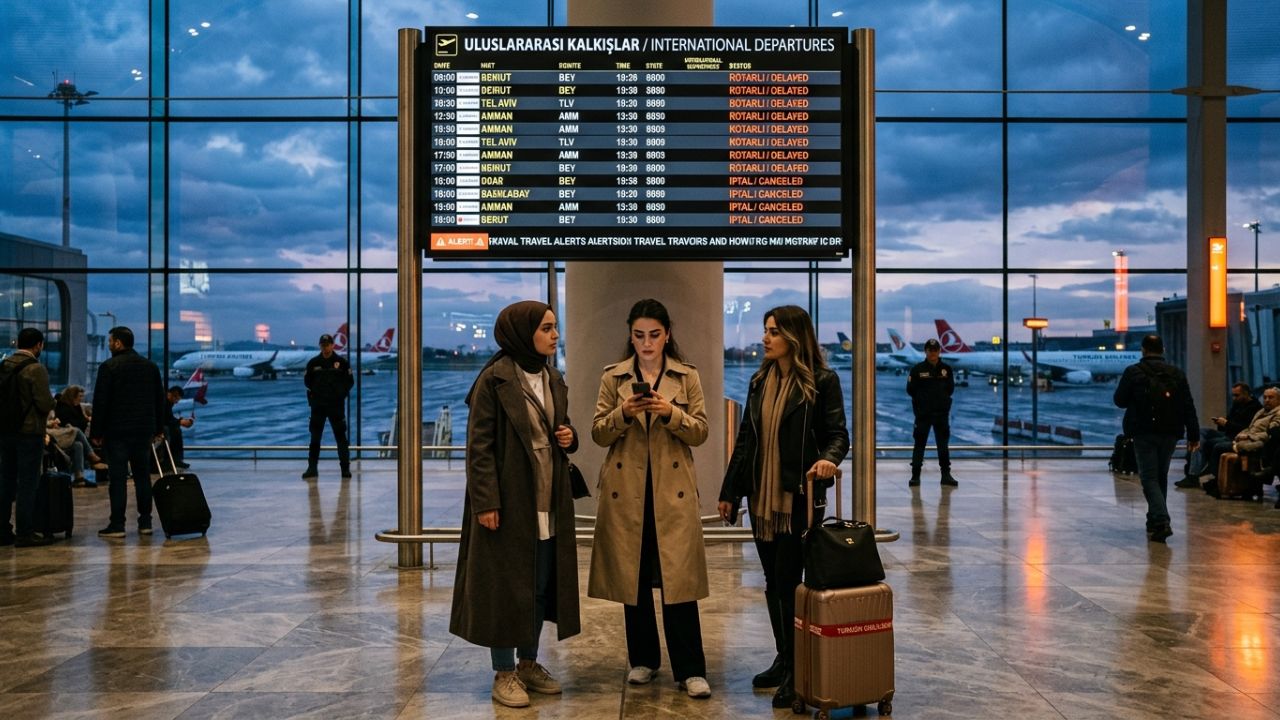
Image generated by AI
A major regional alert has been issued for the Eastern Mediterranean today, as intensifying Middle East geopolitical turmoil triggers upgraded travel warnings and a severe realignment of global tourism flows. Diplomatic friction between Türkiye and Israel has reached a critical flashpoint, prompting Western governments to advise heightened caution for citizens planning cross-border journeys. With airlines rerouting flights and tourists seeking safer regional alternatives, both nations are facing softer bookings and slower visitor growth as the peak summer travel season approaches.
Quick Summary
- Upgraded Advisories: The US, UK, Canada, and EU have elevated travel warnings for both Türkiye and Israel due to rising security concerns and regional friction.
- Localized Sluggishness: Popular Turkish destinations like Istanbul, Cappadocia, and Antalya report a softening in early bookings from European and North American travelers.
- Israel Emergency Measures: Israeli airport authorities have deployed 24/7 assistance desks and communication networks to coordinate safety for transiting foreign visitors.
- Oceanic Shifts: Mediterranean alternatives like Cyprus, Greece, and Egypt are seeing a massive surge in bookings from vacationers rerouting their trips.
- Aviation Disruptions: Airlines are actively bypassing high-risk air corridors, leading to longer flight times and slightly elevated international ticket fares.
Context: Heightened Diplomatic Friction and Safety Risks
The rapid escalation of Middle East geopolitical turmoil on May 17, 2026, represents a significant operational challenge for the Eastern Mediterranean tourism economy. For decades, both Türkiye and Israel have served as foundational pillars for international heritage and coastal tourism, welcoming millions of global visitors each year.
However, rising regional rivalries and critical diplomatic friction have forced Western foreign offices to re-evaluate local safety conditions. Rather than advising a total travel freeze, current warnings encourage travelers to maintain extreme vigilance, secure flexible booking terms, and register their presence with local consular databases before arriving in the region.
Specific Details of the Middle East Geopolitical Turmoil
The current travel alert details precise diplomatic and logistical impacts across the region:
- Advisory Upgrades: The United States and Canada have formally upgraded their national travel advisories, warning of localized security challenges. The United Kingdom, Germany, France, and Italy have urged travelers to monitor political updates closely and register with embassies.
- Airspace Monitoring: The Gulf States (including the UAE, Qatar, and Oman) are actively monitoring regional airspace structures, ensuring connecting passenger transit safety remains uncompromised.
- Operational Slowdowns: While the Turkish Ministry of Culture and Tourism confirms all hospitality networks and airports are fully open, booking velocities in Istanbul, Cappadocia, and Antalya have softened. Robust domestic tourism in Türkiye has helped buffer these losses.
- Emergency Support in Israel: Israel's tourism ministries have deployed round-the-clock rapid response coordination desks at major airports and land borders, though family and senior arrivals have slowed.
Severe Tourism Softening and Regional Flight Disruptions
The persistent friction between Türkiye and Israel is generating wider economic ripple effects across the Eastern Mediterranean:
- Rerouted Air Traffic: International air carriers are modifying flight paths to bypass high-risk zones, extending flight durations and slightly increasing operational passenger ticket costs.
- Corporate Travel Suspensions: Large corporations have postponed regional business meetings and trade summits, slowing international investment.
- Hospitality Sector Losses: Local service sectors, including restaurants, hotels, and tour operators, face structural occupancy drops, with economists estimating hundreds of millions of dollars in lost tourism revenue.
- Labor Market Contraction: Prolonged tourism declines are raising concerns over seasonal employment growth in high-traffic resort municipalities.
What Sovereign Governments and Tourism Ministries Are Recommending
Sovereign authorities have issued coordinated guidelines for international citizens currently in or traveling to the Eastern Mediterranean:
- Avoid Contested Sectors: Government advisories strongly discourage transit through high-conflict border zones or contested territories.
- Flexible Reservations: Tourism authorities advise booking only refundable airline tickets and hotel reservations that permit penalty-free cancellations.
- Comprehensive Political Insurance: Travelers are urged to purchase comprehensive travel insurance policies that explicitly cover flight interruptions and cancellations due to political instability.
Practical Traveler Advice: Safeguarding Your Mediterranean Vacation
For travelers still planning to explore the Eastern Mediterranean, tourism safety experts advise following these prioritized steps:
- Monitor Official Consular Portals: Before departure, consult updated safety briefs from the U.S. State Department, UK Foreign Office, or Global Affairs Canada.
- Confirm Accommodation Flexibility: Choose hotels that offer flexible cancellation options up to 24 hours prior to check-in, safeguarding your funds.
- Utilize Vetted Transport Networks: Avoid unmarked transit options, selecting only pre-booked airport transfers or reputable tour operators.
- Register Your Itinerary: Sign up for state programs like the Smart Traveler Enrollment Program (STEP) to ensure consular contact in an emergency.
- Audit Flight Routing Details: Check your airline app regularly, as rerouted flight paths can cause sudden scheduling and connection delays.
Broader Context: Shifted Passenger Patterns and Regional Rivalries
The current travel shift highlights how Middle East geopolitical turmoil directly shapes consumer behavior. As travelers seek secure environments, alternative Mediterranean hubs are experiencing unprecedented tourist influxes:
- Egypt: Cultural hubs in Cairo, Luxor, and resorts along the Red Sea coast are absorbing vacationers who originally planned trips to Israel or Türkiye.
- Greece and Cyprus: These EU member states are experiencing a major booking surge, capturing family and group travelers seeking stable, well-regulated Mediterranean escapes.
- Jordan: Maintaining a stable, secure transit corridor, Jordan continues to draw cultural travelers despite monitoring regional friction closely.
These shifts illustrate that threat perceptions are just as influential as actual physical disruptions in altering global tourism networks.
What to Expect Next: De-escalation Paths and Airspace Audits
Looking ahead, the recovery of the Eastern Mediterranean tourism market will depend heavily on diplomatic de-escalation between Ankara and Jerusalem. Global flight planners will continue to conduct safety audits of regional airspace, adjusting commercial routes as conditions evolve.
Tourism ministries in both Türkiye and Israel are preparing targeted communication campaigns to restore traveler confidence, emphasizing the safety and operational stability of their core historic hubs. Once geopolitical tensions stabilize, historical patterns suggest regional tourism will experience a rapid recovery as travelers return to these world-class destinations.
Conclusion
The escalating Middle East geopolitical turmoil on May 17, 2026, has significantly transformed travel patterns across the Eastern Mediterranean. While both Türkiye and Israel remain fully open with robust safety measures in place, heightened travel warnings and airline path adjustments require extra vigilance from tourists. By prioritizing flexible booking strategies and staying informed through verified government portals, international travelers can continue to explore this culturally rich region safely and responsibly.
Frequently Asked Questions (FAQ)
1. Is it safe to travel to Turkey and Israel right now?
Both countries are open and operational, but the US, UK, Canada, and EU have issued updated travel warnings urging citizens to exercise heightened caution due to escalating regional tensions.
2. Which parts of Turkey are seeing a slowdown in bookings?
Western travel operators report a softening in early bookings for popular cultural and coastal hubs, specifically Istanbul, Cappadocia, and Antalya.
3. What safety measures has Israel deployed for tourists?
Israel's tourism sector has introduced 24/7 airport and border assistance desks, rapid transit coordination teams, and updated communication channels to ensure foreign visitor safety.
4. How does the regional tension affect flight ticket prices?
Because airlines are rerouting flights to avoid sensitive airspace, increased fuel burn and flight times have led to slightly elevated ticket prices and minor schedule changes.
5. Which alternative destinations are benefiting from the tourism shift?
Many tourists are redirecting their vacations to safer Mediterranean hubs, creating a major booking surge in Cyprus, Greece, and Egypt (Cairo, Luxor, and the Red Sea coast).
Disclaimer
This article is for informational and educational purposes only. It does not constitute legal, financial, or professional advice. While we strive to provide accurate and up-to-date information, travel policies, regulations, and conditions change rapidly. Always verify information with official sources before making travel decisions. Nomad Lawyer makes no representations about the accuracy, reliability, completeness, or suitability of the information provided. Readers should consult qualified professionals for advice specific to their circumstances. The views expressed in this article are those of the author and do not necessarily reflect the views of Nomad Lawyer.
Kunal K Choudhary
Co-Founder & Contributor
A passionate traveller and tech enthusiast. Kunal contributes to the vision and growth of Nomad Lawyer, bringing fresh perspectives and driving the community forward.
Learn more about our team →