
Turkey Unveils Heritage Landscapes and Cultural Discoveries Across Istanbul and Cappadocia

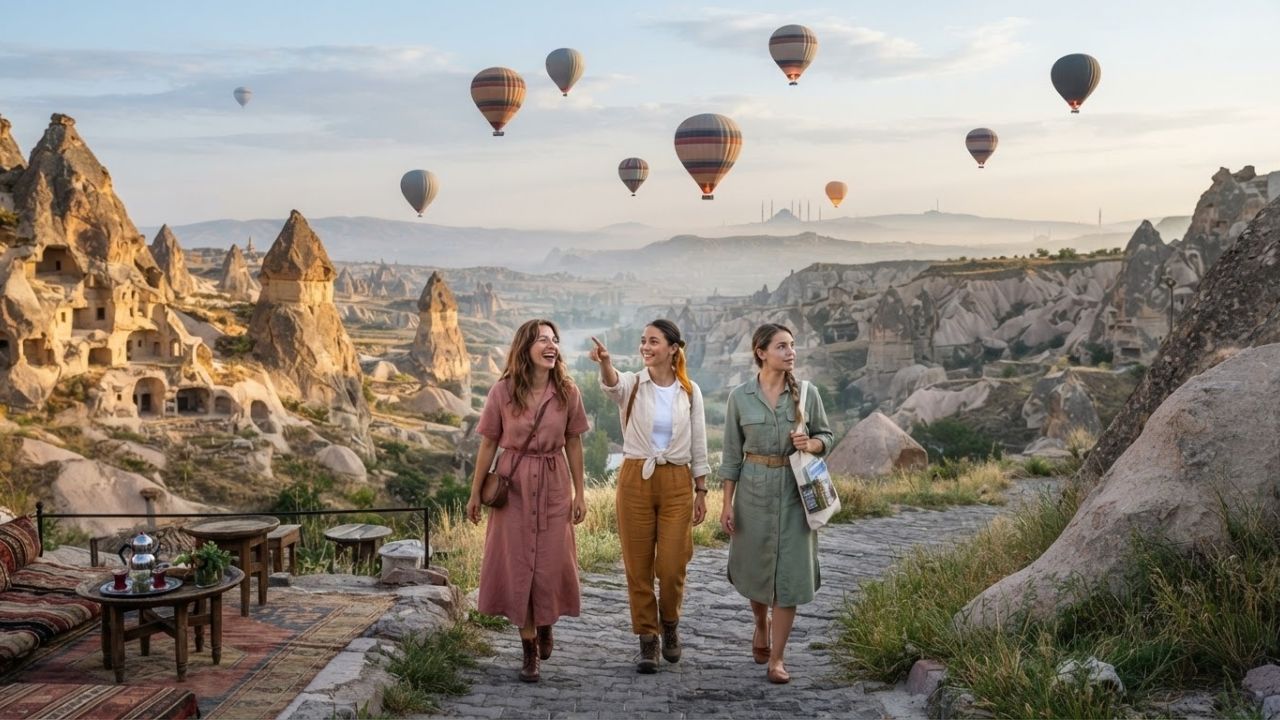
Image generated by AI
Turkey’s tourism sector is capturing international attention by blending ancient architectural monuments in Istanbul with dramatic volcanic landscapes and UNESCO World Heritage sites across Cappadocia.
ISTANBUL, Turkey — As global travelers increasingly seek slow, immersive cultural journeys, Turkey stands out as one of the world's most compelling travel destinations. Situated at the geographic crossroads of Europe and Asia, the transcontinental nation offers a rare combination of historic urban monuments, spiritual traditions, and dramatic natural geology shaped by millennia of human history.
From the 6th-century domes of Hagia Sophia and the transcontinental waters of the Bosporus to the fairy chimneys and sunrise balloon flights of Göreme National Park, Turkey delivers a multi-faceted travel experience where ancient civilisations continue to influence modern daily life.
Crossroad Geography Shapes Turkey's Multi-Continental Heritage
Turkey’s position connecting the European and Asian continents has historically made it a meeting ground for trade, diplomacy, and empire-building. Roman, Byzantine, and Ottoman legacies remain deeply visible across the country's urban architecture, culinary traditions, and historic road networks.
Rather than restricting heritage to isolated museum displays, Turkish destinations integrate ancient monuments directly into vibrant urban neighborhoods. Visitors navigating historic city centers experience centuries-old masonry standing alongside contemporary cafes, artisan workshops, and bustling local bazaars.
This living historical environment encourages travelers to explore beyond conventional sightseeing, engaging directly with regional customs, music, and architectural traditions.
Istanbul Highlights: Hagia Sophia, Blue Mosque, and Historic Markets
The Turkish travel experience frequently begins in Istanbul, the country’s largest metropolis spanning two continents across the Bosporus Strait. The city’s historic peninsula houses some of the world's most iconic architectural monuments.
- Hagia Sophia: Constructed in the 6th century under Byzantine Emperor Justinian I, this monumental structure features a massive central dome, intricate mosaics, and layered architectural elements reflecting its rich religious history.
- The Blue Mosque (Sultan Ahmed Mosque): Famous for its hand-painted blue Iznik tiles, cascading domes, and six minarets, the landmark remains an active place of worship and a masterpiece of Classical Ottoman architecture.
- Historic Bazaars: The Grand Bazaar and Spice Bazaar offer labyrinthine shopping corridors where traditional craftsmen, spice merchants, and carpet weavers maintain centuries-old trade practices.
Navigating these historic districts allows travelers to observe how ancient monuments remain central to Istanbul’s civic identity.
Transcontinental Transit Along the Bosporus Waterway
Exploring the Bosporus Strait represents an essential element of any Istanbul itinerary. The natural waterway connects the Black Sea to the Sea of Marmara, physically dividing the European and Asian sectors of the city.
Passenger ferries and private cruise vessels provide panoramic vantage points of waterfront Ottoman palaces, historic fortresses, wooden mansions (yalı), and suspension bridges spanning the continental divide.
Cruising the waterway illustrates how marine geography has directed international trade, naval strategy, and urban expansion in Istanbul for over two millennia.
Whirling Dervish Traditions and the Spiritual Philosophy of Rumi
Beyond architecture, Turkey’s cultural heritage encompasses profound spiritual and artistic traditions. Among the most recognized is the Mevlevi Order's Sema ceremony, commonly known as the Whirling Dervish performance.
Rooted in the 13th-century teachings and poetry of Jalāl al-Dīn Muḥammad Rūmī, the ritual features spinning dancers accompanied by classical Sufi music, symbolizing spiritual devotion, harmony, and cosmic order.
Experiencing a traditional Sema ceremony offers international visitors insight into Turkey's philosophical heritage, highlighting how artistic expression and spiritual philosophy remain interconnected.
Cappadocia Rock Formations and Göreme National Park UNESCO Sites
Moving inland from the coast, Central Anatolia introduces travelers to the volcanic landscape of Cappadocia. Formed millions of years ago by volcanic ash deposits subjected to natural wind and water erosion, the region is famed for its whimsical rock spires known as "fairy chimneys."
Over centuries, human communities carved extensive subterranean cities, rock-cut churches, and monastic complexes directly into the soft tuff rock.
Göreme National Park, a UNESCO World Heritage site, showcases hundreds of cave structures adorned with 10th- to 12th-century Byzantine frescoes. These underground settlements demonstrate how historical populations adapted to hostile environments during periods of regional instability.
Sunrise Hot Air Balloon Excursions Over Central Anatolia
A hallmark attraction of Turkish travel is the sunrise hot air balloon flight over Cappadocia’s valleys. Each morning, dozens of hot air balloons ascend over Göreme, Rose Valley, and Love Valley as dawn breaks across Central Anatolia.
Floating silently above the rock formations provides passengers with panoramic aerial views of fairy chimneys, orchard valleys, and historic cave villages.
The experience combines adventure travel with stunning natural photography, solidifying Cappadocia's standing as a world-class outdoor destination.
Turkey Cultural and Natural Landmark Matrix
The reference table below details key travel regions, primary attractions, historical origins, and UNESCO designations across Turkey:
| Destination Region | Flagship Attraction / Site | Historical Era / Natural Feature | Primary Visitor Experience |
|---|---|---|---|
| Istanbul (Europe) | Hagia Sophia & Blue Mosque | 6th-Century Byzantine / 17th-Century Ottoman | Architectural touring & historic worship sites |
| Istanbul (Waterway) | Bosporus Strait Ferries | Transcontinental natural waterway | Continental boat cruises & palace views |
| Central Anatolia | Göreme National Park | UNESCO World Heritage / Volcanic Tuff | Cave exploration & rock-cut Byzantine frescoes |
| Cappadocia Valleys | Fairy Chimneys & Underground Cities | Volcanic erosion & ancient subterranean refuges | Sunrise hot air ballooning & valley hiking |
| Konya / Cultural Centers | Whirling Dervish Sema Ritual | 13th-Century Sufi Mevlevi Tradition | Spiritual music, philosophy & cultural performance |
Practical Implications for Global Travelers and Cultural Tourism
For the international traveler, Turkey’s combination of high-speed rail connections, modern airport infrastructure, and diverse regional attractions enables comprehensive multi-city itineraries. Combining Istanbul's urban heritage with Cappadocia's outdoor geography within a single week delivers exceptional travel variety.
From a cultural tourism standpoint, Turkey demonstrates how historic preservation and natural conservation drive sustainable travel revenue. By protecting UNESCO sites like Göreme and restoring historic monuments in Istanbul, local communities sustain high-value tourism economies.
As travelers increasingly seek meaningful, educational, and visually captivating destinations, Turkey’s rich history and dramatic landscapes secure its position as a global tourism leader.
Traveler Planning Guide: Navigating Turkey's Top Highlights
Travelers planning an itinerary across Turkey should keep these operational tips in mind:
- Book Balloon Flights Early: Advance online bookings for Cappadocia hot air balloon flights are essential due to high demand and weather-dependent scheduling.
- Observe Mosque Etiquette: When visiting active mosques like the Blue Mosque or Hagia Sophia, dress respectfully, cover shoulders and knees, and remove shoes before entering.
- Utilize Domestic Flights or High-Speed Rail: Take domestic flights or high-speed trains between Istanbul, Ankara, and Cappadocia to maximize sightseeing time.
- Purchase the Museum Pass: Acquire a multi-day Turkey Museum Pass for skip-the-line access to major historical sites and national parks.
Related Travel Guides
Disclaimer
This article is for informational and educational purposes only. It does not constitute legal, financial, or professional advice. While we strive to provide accurate and up-to-date information, travel policies, regulations, and conditions change rapidly. Always verify information with official sources before making travel decisions. Nomad Lawyer makes no representations about the accuracy, reliability, completeness, or suitability of the information provided. Readers should consult qualified professionals for advice specific to their circumstances. The views expressed in this article are those of the author and do not necessarily reflect the views of Nomad Lawyer.
Raushan Kumar
Founder & Lead Developer
Full-stack developer with 11+ years of experience and a passionate traveller. Raushan built Nomad Lawyer from the ground up with a vision to create the best travel and law experience on the web.
Learn more about our team →