
Turkey and Greece Return 1,055 Ancient Coins in Historic Cultural Forum—A New Era of Heritage Diplomacy
Turkey and Greece unite at the first Turkey-Greece Culture Forum in Cappadocia, returning 1,055 smuggled ancient coins and signaling a landmark shift in Mediterranean cultural cooperation and anti-trafficking efforts.

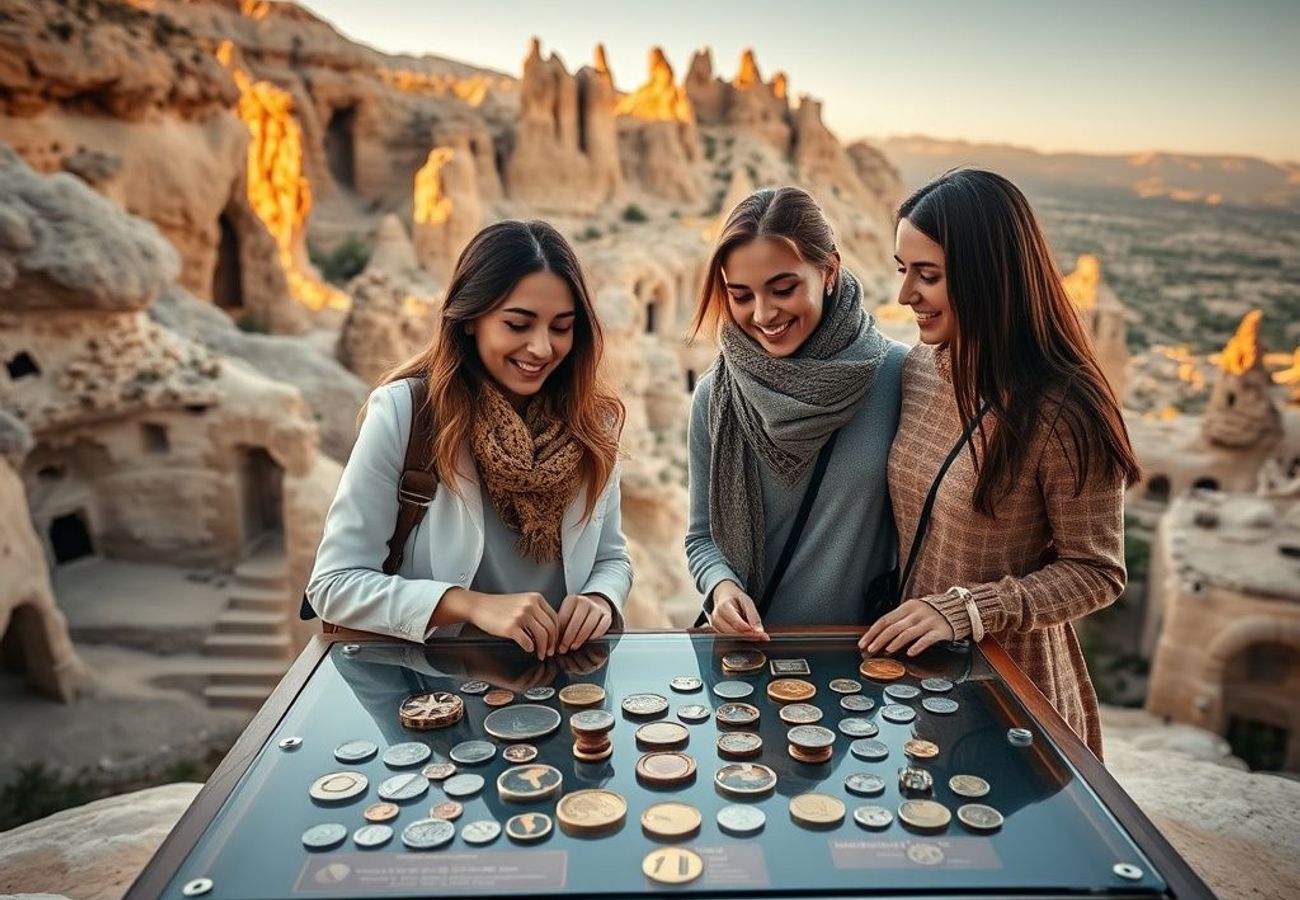
Image generated by AI
A Moment of Historic Reconciliation in Cappadocia
The first Turkey-Greece Culture Forum just happened in Cappadocia—and it's not just another diplomatic meeting. On June 21, 2026, the two countries pulled off something remarkable: 1,055 smuggled ancient coins made their way back to Turkish territory, officially returned by Greek authorities after being seized in 2025.
This wasn't theater. Mehmet Nuri Ersoy, Turkey's Minister of Culture and Tourism, and Lina Mendoni, Greece's Minister of Culture, sat down to do something most neighboring nations struggle with: actually cooperate on shared heritage instead of fighting over it.
Reddit: "Finally seeing countries put history above politics. This is what international cooperation should look like." — r/worldnews
The Coins That Bridge a Gap
Let's be clear about what just happened. 1,055 ancient coins—culturally significant artifacts—had been smuggled out of Turkey and were floating through illegal trafficking networks. Greek authorities caught them during investigations into organized antiquities smuggling. After authentication and verification, the coins were recognized as Turkish cultural property and officially repatriated.
This matters because it sets a precedent. These weren't token gestures or symbolic returns. Real artifacts. Real authentication. Real cooperation under established international cultural property conventions.
The coins represent something bigger: trust being rebuilt through tangible action, not rhetoric.
Why Cappadocia Was the Perfect Stage
Cappadocia wasn't chosen randomly. The region's geological formations and archaeological richness make it one of the world's most historically significant zones. Holding the forum there sent a message—both countries are saying, "This heritage is worth protecting. This history is ours to preserve together."
The location reinforced the core theme: Mediterranean heritage isn't divided by borders. It's shared. It's interconnected. And both nations have a responsibility to steward it.
The Real Enemy: Organized Antiquities Trafficking
Here's what's driving both countries forward: illegal trafficking of cultural artifacts is a genuine global crisis. We're talking organized networks, black-market dealers, and systematic looting of archaeological sites.
Both Turkey and Greece agreed during the forum to strengthen law enforcement cooperation, improve information sharing between customs agencies, and enhance border controls. The returned coins are literally evidence that these mechanisms work when both sides commit to them.
The forum discussions centered on concrete strategies: better documentation of archaeological sites, enhanced museum collaboration, preventing illegal excavation, and monitoring cross-border movement of artifacts.
According to international frameworks like UNESCO's conventions on cultural property, this is exactly how nations should be operating.
A Diplomatic Power Move: Turkey Backs Greece on the Parthenon Marbles
During the forum, Turkey made a striking gesture: it publicly expressed support for Greece's ongoing efforts to recover the Parthenon Statues from the United Kingdom.
This wasn't coincidental. It was diplomatic messaging. Turkey essentially said: "We get it. We're fighting the same battle for our heritage. Solidarity."
The Parthenon Marbles issue has been central to international restitution debates for decades. Having Turkey openly advocate for Greece's position demonstrates that cultural heritage transcends geopolitical tensions.
Cultural Diplomacy as a Bridge
What we're witnessing is cultural diplomacy in action—using shared history and heritage preservation as tools to strengthen bilateral relations. Instead of focusing on political differences, both countries anchored discussions on preservation and cooperation.
Reddit: "If countries solved political issues through culture forums instead of military posturing, imagine where we'd be." — r/diplomacy
This approach is gaining traction globally. When nations can't find common ground on politics, heritage often becomes the bridge.
A Model for Mediterranean Cooperation
The Turkey-Greece Culture Forum represents something that's increasingly rare: neighboring countries with complex histories choosing collaboration over competition. Both nations recognized that archaeological heritage doesn't belong to one state—it's part of a broader Mediterranean legacy requiring coordinated protection.
The outcomes of Cappadocia are being viewed as foundational. Expectations are high that future initiatives will expand this cooperation, creating a sustained framework for heritage protection, museum collaboration, and joint anti-trafficking efforts.
Officials from both sides emphasized that continued coordination between cultural institutions, customs agencies, and international partners will be essential in combating organized trafficking networks that span continents.
What This Means for Travel and Cultural Heritage
For travelers, digital nomads, and cultural enthusiasts, this matters. It means archaeological sites across Turkey and Greece will likely receive better protection and documentation. It means museums in both countries will collaborate more transparently. It means the artifacts you see in these destinations have legitimate provenance.
It also signals something broader: that nations are taking illicit artifact trafficking seriously and building enforcement mechanisms that actually work.
The return of 1,055 ancient coins isn't the endpoint of this story. It's the beginning of something larger—a sustained commitment to heritage stewardship that sets a precedent for how neighboring countries can cooperate on cultural preservation despite broader geopolitical complexities.
This is what happens when diplomacy puts history first.
Related Travel Guides
Disclaimer
This article is for informational and educational purposes only. It does not constitute legal, financial, or professional advice. While we strive to provide accurate and up-to-date information, travel policies, regulations, and conditions change rapidly. Always verify information with official sources before making travel decisions. Nomad Lawyer makes no representations about the accuracy, reliability, completeness, or suitability of the information provided. Readers should consult qualified professionals for advice specific to their circumstances. The views expressed in this article are those of the author and do not necessarily reflect the views of Nomad Lawyer.
Preeti Gunjan
Contributor & Community Manager
A passionate traveller and community builder. Preeti helps grow the Nomad Lawyer community, fostering engagement and bringing the reader experience to life.
Learn more about our team →