
TUI and MSC Lead Europe's Green Cruise Revolution with LBM and LNG Fuel Transitions in 2026
TUI and MSC Cruises are spearheading a shift toward liquefied biomethane (LBM) and LNG to decarbonize European maritime travel and meet strict EU FuelEU Maritime regulations.

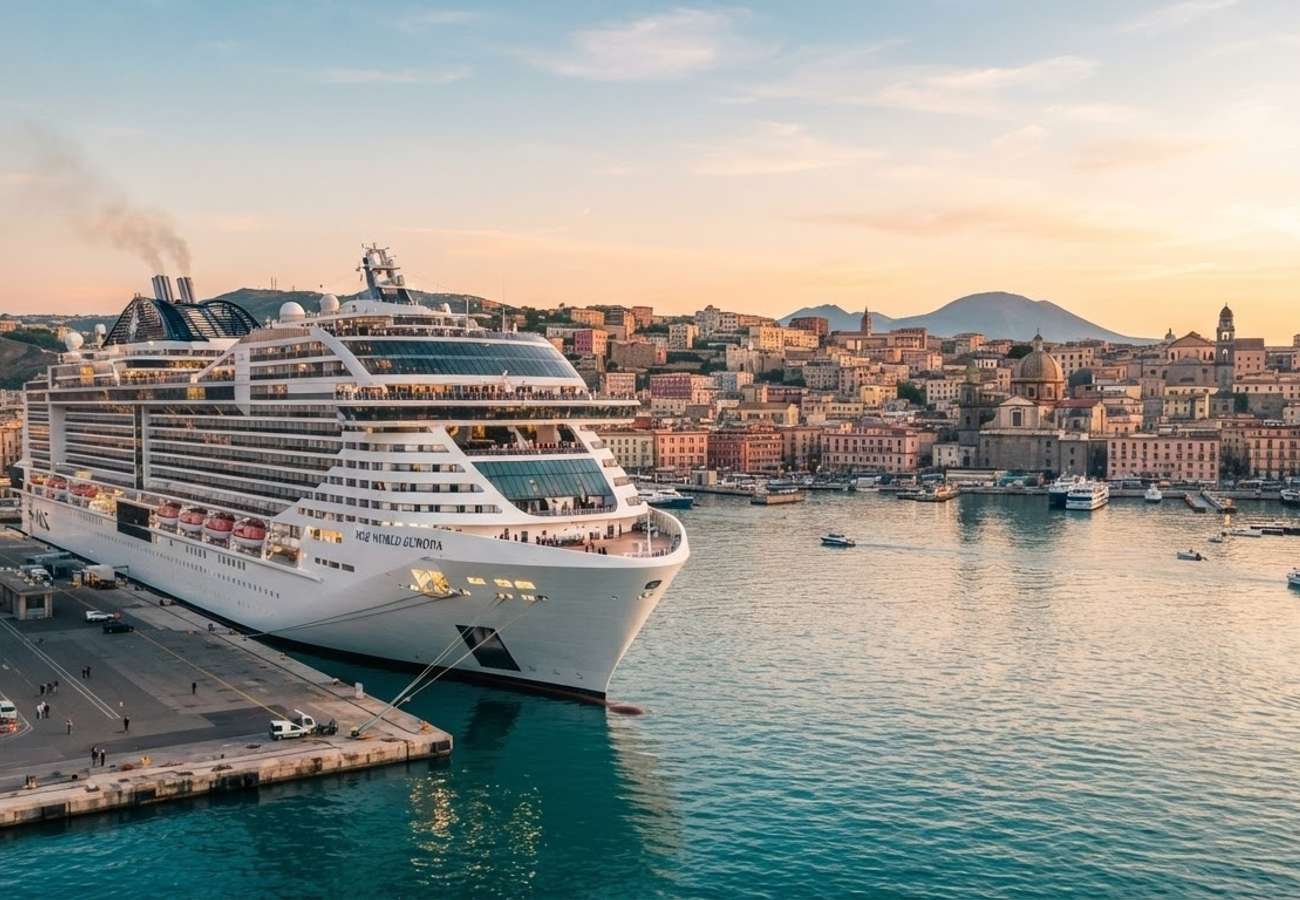
Image generated by AI
European maritime travel is undergoing a systemic shift as TUI and MSC Cruises deploy liquefied biomethane (LBM) and LNG to slash carbon emissions. This transition is no longer optional, as the European Union’s FuelEU Maritime rules now mandate the adoption of renewable and low-carbon fuels for vessels operating in regional waters.
The Shift to Low-Emission Maritime Propulsion
The European cruise sector is transitioning from heavy fuel oils to a diversified portfolio of alternative energy sources. While TUI Cruises is specifically prioritizing liquefied biomethane (LBM)—a renewable fuel sourced from sustainable feedstocks—other industry giants are scaling liquefied natural gas (LNG), bio-LNG, and hybrid-electric systems.
This movement is driven by both regulatory pressure and a growing segment of travelers demanding responsible journey options. The implementation of these technologies is not uniform; rather, it is a fragmented adoption of dual-fuel engines and energy-recovery systems designed to meet net-zero targets by 2050.
Comparative Analysis of Green Fleet Technologies
The following table outlines the specific technological deployments across the primary operators currently transforming European transit corridors.
| Cruise Line | Primary Technology / Fuel | Key Vessels & Programs | Impact on Traveler Experience |
|---|---|---|---|
| MSC Cruises | LNG, Bio-LNG, Fuel-Cell Research | MSC World Europa, MSC Euribia | Reduced emissions on Mediterranean & Northern Europe routes |
| Carnival Corp | LNG, Biofuels, Shore Power | Sun Princess & 11 LNG ships (as of Nov 2025) | Broad application across multiple brands and ports |
| Royal Caribbean | LNG, Dual-Fuel, Energy Recovery | Icon Class Vessels | High-efficiency propulsion on major global routes |
| Costa Cruises | LNG & Alternative Fuel Dev | Costa Toscana, Costa Smeralda | Modernized Mediterranean transit with lower sulfur output |
| PONANT | LNG, Hybrid-Electric | Le Commandant Charcot | Low-impact exploration in fragile Polar ecosystems |
Operator-Specific Implementation Strategies
MSC Cruises and the Bio-LNG Pivot
MSC has moved beyond basic LNG with the deployment of the MSC World Europa and MSC Euribia. The operator is currently researching fuel cells to enhance onboard efficiency. A critical distinction for passengers is the shift toward bio-LNG, which offers a significantly lower greenhouse gas profile than fossil-based LNG.
Carnival Corporation’s Infrastructure Scale
As of November 2025, Carnival Corporation operated 11 LNG-powered ships. The scale of this operation was highlighted in May 2026, when the Sun Princess completed a critical LNG bunkering operation in Naples, Italy. This event signals that the necessary land-side infrastructure is finally catching up with ship technology, making green cruising more viable in Italian and Mediterranean ports.
Royal Caribbean’s Energy Recovery
Royal Caribbean Group is focusing on the "total ship" ecosystem. The Icon of the Seas utilizes six dual-fuel engines. Beyond fuel, the company has implemented exhaust-gas purification systems to strip sulfur emissions and heat-recovery technology to maximize energy efficiency, all under its "Destination Net Zero" framework.
PONANT’s Polar Specialization
For expedition travel, PONANT’s Le Commandant Charcot utilizes a hybrid LNG-electric system. This is specifically designed for the Arctic and Antarctic, where traditional fuel emissions pose a direct threat to sensitive ecosystems.
Traveler Logistics Guide: Navigating Green Transit
From a ground-level perspective, the best way to navigate this transition is to look past marketing terms like "green" or "eco-friendly" and verify the technical specifications of the vessel.
1. Verify Fuel Type Understand the difference between LNG (fossil-based natural gas) and LBM/Bio-LNG (renewable). If your goal is maximum sustainability, prioritize LBM-powered voyages or hybrid-electric expedition ships.
2. Shore Power Availability When booking, check if the ship utilizes "shore power" (cold ironing). This allows ships to plug into the local electrical grid while docked, eliminating port-side emissions. This is increasingly common in major European hubs but not universal.
3. Connection Planning As LNG bunkering becomes more frequent in ports like Naples, expect slight changes in docking schedules or terminal locations. Always allow a 3-hour buffer for embarkation on newer, larger LNG-class ships, as their size often requires specific berths further from the city center.
4. Digital Transit Integration For those navigating European ports, utilize digital transit passes and integrated port apps to track your carbon footprint per leg of the journey, as many "green" cruise lines are now integrating this data into their guest portals.
Infrastructure Impact Assessment
The transition to LBM and LNG is forcing a rapid upgrade of European port infrastructure. The successful bunkering of the Sun Princess in Naples demonstrates that Italy is positioning itself as a hub for cleaner maritime logistics.
This shift reduces the local environmental burden on port cities—reducing smog and sulfur deposits—which in turn sustains the long-term viability of cruise tourism in highly regulated EU zones. However, the industry remains dependent on the scaling of bio-LNG production to move from "lower-emission" to truly "carbon-neutral" operations.
The era of heavy-fuel maritime travel is ending; the future is dual-fuel and digitally optimized.
Related Travel Guides
Disclaimer
This article is for informational and educational purposes only. It does not constitute legal, financial, or professional advice. While we strive to provide accurate and up-to-date information, travel policies, regulations, and conditions change rapidly. Always verify information with official sources before making travel decisions. Nomad Lawyer makes no representations about the accuracy, reliability, completeness, or suitability of the information provided. Readers should consult qualified professionals for advice specific to their circumstances. The views expressed in this article are those of the author and do not necessarily reflect the views of Nomad Lawyer.
Raushan Kumar
Founder & Lead Developer
Full-stack developer with 11+ years of experience and a passionate traveller. Raushan built Nomad Lawyer from the ground up with a vision to create the best travel and law experience on the web.
Learn more about our team →