
TSA Launches Gold+ Airport Screening Program at Tampa, Charleston, and Des Moines Airports in 2027
The Transportation Security Administration is introducing the Gold+ program to integrate private screening personnel at key US airports while maintaining strict federal oversight.

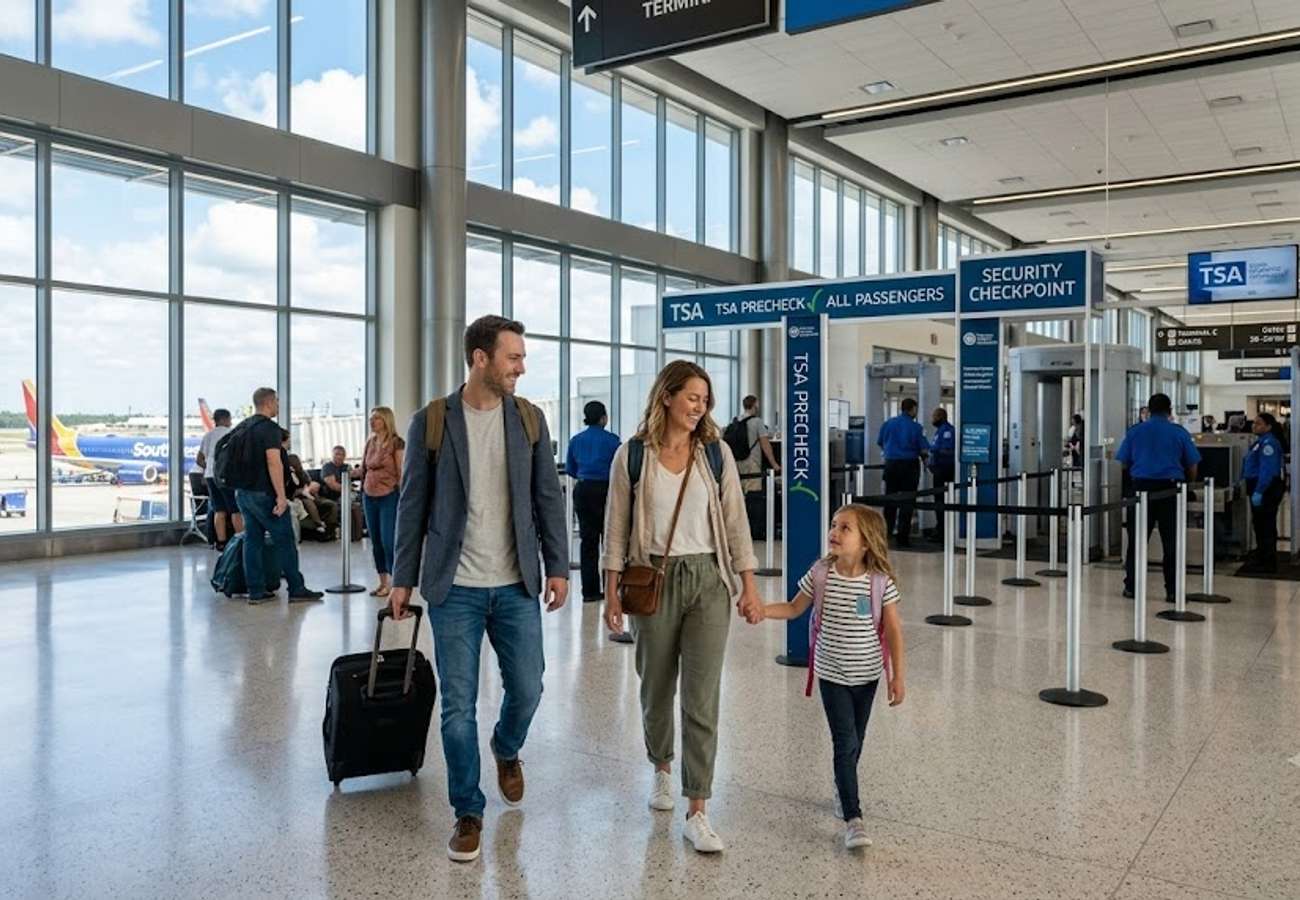
Image generated by AI
The TSA is shifting its operational model to allow private contractors to manage checkpoints at select hubs, aiming to eliminate bottlenecks and protect against government shutdown disruptions.
The Transportation Security Administration (TSA) has announced the rollout of the Gold+ Airport Screening Programme, a strategic evolution in how passenger security is managed across the United States. This initiative marks a significant pivot toward a public-private partnership model, starting with three specific aviation hubs: Tampa International, Charleston International, and Des Moines International.
While the management of personnel is changing, the TSA has emphasized that federal oversight remains absolute. The program is not a move toward full privatization; rather, it is an enhanced version of the existing Screening Partnership Program (SPP). Under Gold+, authorized private security personnel will execute day-to-day screening, but the TSA will continue to set all procedures, certify contractors, and conduct rigorous compliance inspections.
Operational Shifts at Pioneer Airports
Three airports have been selected to lead the transition in 2027. These locations were chosen based on their existing operational efficiency and their ability to serve as testing grounds for a model that may eventually scale nationwide.
Des Moines International Airport will be the first to implement the system in January, providing the initial data on how the expanded partnership affects throughput. Charleston International follows in February, and Tampa International will complete the first phase of the rollout in May.
Transition Timeline and Locations
The following table outlines the specific schedule for the initial Gold+ implementations:
| Airport | State | Planned Transition |
|---|---|---|
| Des Moines International Airport | Iowa | January 2027 |
| Charleston International Airport | South Carolina | February 2027 |
| Tampa International Airport | Florida | May 2027 |
Impact on the Passenger Experience
For the average traveler, the visible experience at the checkpoint will remain unchanged. The Gold+ program focuses on the "back end" of operations—who employs the officer—rather than the "front end" of the security process.
- Consistent Protocols: Identification requirements, prohibited item lists, and baggage screening processes remain identical to current TSA standards.
- Identical Technology: The screening equipment and technology used will continue to be governed by federal regulations.
- Federal Branding: TSA branding and oversight will remain present, ensuring passengers know that national security standards are being upheld.
The only primary difference is that the officers conducting the screenings will be employees of authorized private contractors rather than federal Transportation Security Officers (TSOs).
Strategic Drivers Behind the Gold+ Initiative
The decision to expand private screening is driven by three primary operational pressures:
1. Volatile Passenger Demand As air travel volumes grow, airports struggle with rigid federal staffing models. Gold+ allows for greater flexibility in scheduling and staffing, enabling airports to scale their workforce up or down based on real-time passenger fluctuations.
2. Operational Resilience A critical driver for this shift is the mitigation of risks associated with federal government shutdowns. By utilizing private contractors, these airports can ensure that security screenings continue uninterrupted, preventing the systemic travel chaos that often accompanies government funding lapses.
3. Rapid Technology Integration The TSA expects that private partnerships will accelerate the adoption of advanced screening technologies. Private contractors can often implement new hardware and software updates more swiftly than a massive federal bureaucracy, potentially reducing wait times and increasing detection capabilities.
Maintaining Federal Authority
Despite the introduction of private personnel, the TSA retains total control over the security environment. The agency's role shifts from direct employment to a regulatory and auditing body. The TSA will remain responsible for establishing the security rules, certifying the private contractors, and monitoring every aspect of compliance to ensure that national aviation security is never compromised for the sake of efficiency.
The transition to Gold+ represents a calculated balance between private-sector agility and federal security mandates.
Related Travel Guides
Disclaimer
This article is for informational and educational purposes only. It does not constitute legal, financial, or professional advice. While we strive to provide accurate and up-to-date information, travel policies, regulations, and conditions change rapidly. Always verify information with official sources before making travel decisions. Nomad Lawyer makes no representations about the accuracy, reliability, completeness, or suitability of the information provided. Readers should consult qualified professionals for advice specific to their circumstances. The views expressed in this article are those of the author and do not necessarily reflect the views of Nomad Lawyer.
Raushan Kumar
Founder & Lead Developer
Full-stack developer with 11+ years of experience and a passionate traveller. Raushan built Nomad Lawyer from the ground up with a vision to create the best travel and law experience on the web.
Learn more about our team →