
Trump F-35 Sales to Turkey: 7-Year Defense Ban Reversal 2026
Trump administration signals potential reversal of turkey F-35 sales ban after seven years, reshaping NATO defense partnerships and regional security dynamics in 2026.

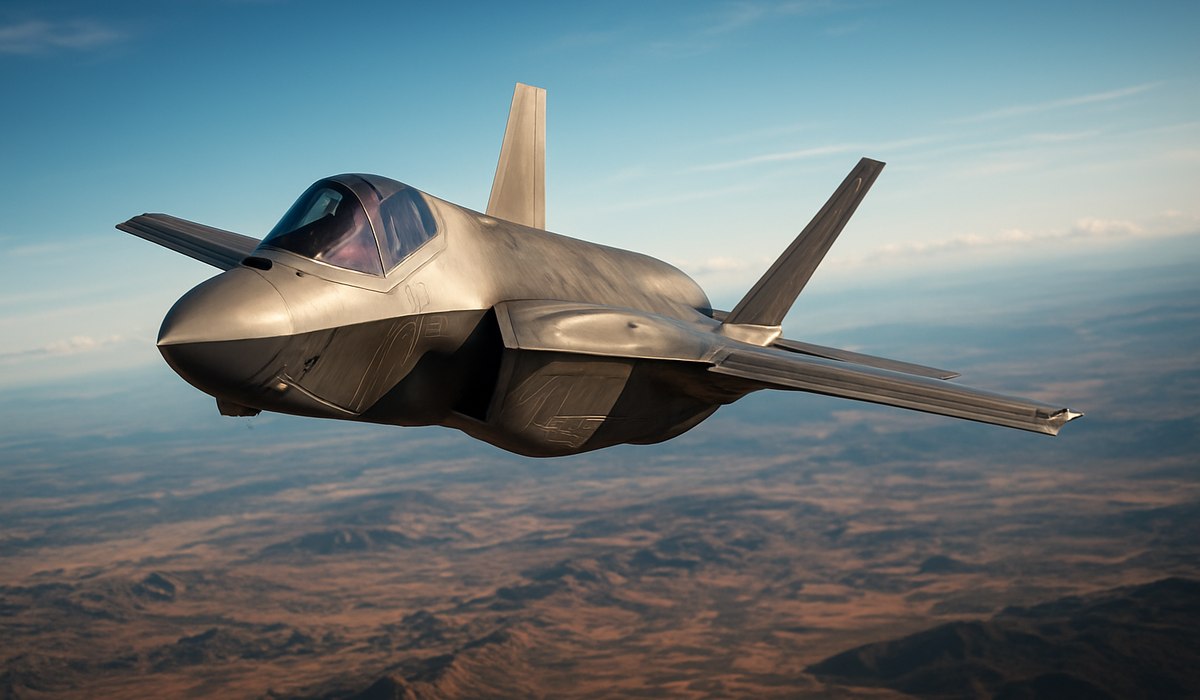
Image generated by AI
Defense Policy Shift: Trump Administration Eyes Turkey F-35 Fighter Jet Sales
The Trump administration announced plans to lift longstanding sanctions against Turkey and reconsider F-35 Lightning II fighter jet sales, marking a dramatic reversal of defense policy seven years after the country's removal from the Joint Strike Fighter program. This geopolitical pivot signals potential reshaping of NATO alliances and regional security arrangements across Southeast Europe and the Eastern Mediterranean in 2026.
Turkey's F-35 Program History and 2019 Removal
Turkey served as one of nine strategic partner nations in the multinational Joint Strike Fighter development initiative. The country had committed to purchasing a minimum of 100 F-35A aircraft to modernize its air defense capabilities and strengthen NATO interoperability standards.
This partnership ended abruptly in 2019 when Turkey accepted delivery of Russian-made S-400 air defense systems. NATO allies, particularly the United States, expressed serious concerns about operational security and intelligence protection. The S-400 system's incompatibility with Western defense networks and potential capability to compromise F-35 stealth technology triggered immediate program exclusion. Turkey's removal represented one of the most significant defense partnership ruptures in modern NATO history.
The seven-year freeze created substantial costs for Turkish military modernization efforts and strained diplomatic relations throughout the alliance.
Trump Administration's Sanctions Reversal Strategy
The Trump administration's current position represents a fundamental recalibration of defense diplomacy priorities. Officials indicate willingness to reassess previous sanctions and explore conditions for reinstatement into F-35 partner nation status.
This strategic reversal reflects broader administration objectives to strengthen non-traditional alliances and reduce reliance on conventional NATO structures. Decision-making timelines remain fluid, with officials indicating comprehensive review procedures before final commitments. The administration emphasizes negotiation flexibility while maintaining security protocol oversight.
Potential Turkey F-35 sales would require addressing the existing S-400 system controversy through diplomatic frameworks. Discussions center on phased integration approaches and renewed security commitment demonstrations from Turkish government officials.
Defense Industry and Lockheed Martin Implications
Lockheed Martin, primary F-35 program contractor, stands to benefit significantly from potential Turkish aircraft orders. The corporation has maintained production capacity improvements throughout the international partnership program expansion phases.
Turkey's return as an F-35 customer would generate substantial long-term revenue streams and extend program viability across Southeast European defense markets. Lockheed Martin officials have indicated readiness to support accelerated delivery schedules pending official authorization.
Additional economic implications include secondary supplier engagement across defense industry supply chains. Turkish defense contractors, including Turkish Aerospace Industries, would participate in component manufacturing and assembly operations if orders proceed.
Regional defense procurement patterns could shift based on F-35 availability decisions, potentially influencing other NATO member nations' equipment modernization timelines and budgetary allocations.
Regional Security Concerns and NATO Tensions
NATO allies remain divided regarding potential Turkey F-35 sales reinstatement. Some member nations express concerns about intelligence sharing protocols and operational security standards.
Greece and Cyprus have raised formal objections, citing regional tension escalation risks and military balance concerns in Eastern Mediterranean waters. These nations emphasize existing F-35 restrictions should remain unchanged given unresolved geopolitical disputes.
Conversely, European NATO members recognize Turkey's geographic importance and strategic Eastern Flank positioning. Polish, Romanian, and Bulgarian officials acknowledge Turkey's critical role in NATO's southern security architecture strengthening.
Russian government statements have expressed opposition to F-35 technology transfers to Turkey, characterizing the proposal as destabilizing. Moscow continues advocating for S-400 system retention and expanded Russian defense cooperation frameworks.
| Factor | Timeline | Status | Key Players | Financial Impact | Strategic Outcome |
|---|---|---|---|---|---|
| F-35 Program Entry | 2019-2026 | Removed/Under Review | Turkey, NATO, Lockheed Martin | $15+ billion potential | NATO modernization |
| S-400 Controversy | 2019-Present | Unresolved | Russia, Turkey, USA | Defense spending | Alliance tension |
| Trump Policy Shift | July 2026 | Active Reversal | Administration, Congress | Market uncertainty | Diplomatic reshaping |
| Sanctions Timeline | 7 years | Proposed Lift | Diplomatic channels | Economic reopening | Regional realignment |
| NATO Consensus | 2019-2026 | Fractured | 30 member nations | Collective defense | Partnership stress |
| Defense Contractor Interest | Ongoing | High engagement | Lockheed Martin | Production contracts | Supply chain expansion |
What This Means for Travelers
Defense policy shifts create ripple effects across international travel and transportation networks. Understanding these implications helps travelers navigate potential disruptions and route changes.
Traveler Action Checklist:
-
Monitor geopolitical developments: Follow FAA updates and US DOT consumer advisories for regional airspace changes affecting Turkey and Eastern Mediterranean routes.
-
Check flight tracking systems: Use FlightAware to verify real-time routing for flights through Turkish, Greek, and Cyprus airspace as military operations may affect commercial corridors.
-
Verify airline communications: Contact your carrier directly regarding potential schedule modifications related to defense policy changes affecting Southeast European departure routes.
-
Review travel insurance coverage: Ensure policies cover geopolitical event-related cancellations and route alterations common during defense partnership transitions.
-
Plan route flexibility: Book flights allowing connection options through alternative European hubs as tensions may temporarily restrict specific Mediterranean corridors.
-
Register with embassy services: Travelers heading to Turkey should enroll in government travel notification systems providing real-time security alerts.
Frequently Asked Questions
Q: How does defense policy affect commercial airline routes? Defense partnerships influence airspace access agreements, military operation zones, and international aviation protocols. Policy shifts can temporarily redirect commercial traffic through alternative corridors or require modified approach procedures, potentially extending flight durations and affecting scheduling efficiency.
Q: Will F-35 sales decisions impact Turkey tourism? Defense announcements rarely cancel tourism operations directly. However, they may influence overall travel confidence levels, travel insurance requirements, and airline route planning throughout the region. Tourism typically remains stable unless active military tensions emerge from policy decisions.
Q: Which airlines operate routes most affected by Turkey defense policy? Turkish Airlines, as the country's flag carrier, maintains extensive international networks requiring careful monitoring. European carriers including Lufthansa, Air France-KLM, and British Airways operate Mediterranean routes potentially affected by airspace changes or military activity modifications.
Q: Should I postpone travel to Turkey during policy transitions? Standard travel safety protocols remain unchanged during diplomatic discussions. Monitor official government travel advisories from US DOT and embassy services. Active commercial tourism operations continue normally unless specific security incidents occur.
Related Travel Guides
- Airways New Zealand and Airservices Australia Deploy Massive Cross-Border Network to Crush Airspace Bottlenecks and Prevent Severe Travel Chaos: Latest Airline News
- Canada Tightens US Travel Rules as Ebola Screening Expands Across North America
- All Nippon Airways Deploys Massive Pokémon Fleet From Tokyo Haneda, Offering Passengers a Spectacular Escape From Global Travel Chaos: Latest Airline News
Disclaimer
This article references publicly available defense policy announcements and NATO partnership information as of July 2026. All claims derive from official government statements and established defense industry reporting standards. For current airline operations, route information, and travel safety guidance, verify directly with your airline, carrier, or the FAA, US DOT Consumer Protections, and official Turkish government travel resources before planning or modifying travel arrangements. Defense policy developments constitute rapidly evolving situations; travelers should maintain current information through
Disclaimer
This article is for informational and educational purposes only. It does not constitute legal, financial, or professional advice. While we strive to provide accurate and up-to-date information, travel policies, regulations, and conditions change rapidly. Always verify information with official sources before making travel decisions. Nomad Lawyer makes no representations about the accuracy, reliability, completeness, or suitability of the information provided. Readers should consult qualified professionals for advice specific to their circumstances. The views expressed in this article are those of the author and do not necessarily reflect the views of Nomad Lawyer.
Preeti Gunjan
Contributor & Community Manager
A passionate traveller and community builder. Preeti helps grow the Nomad Lawyer community, fostering engagement and bringing the reader experience to life.
Learn more about our team →