
Major Flight Disruption: 1,230+ Delayed Across Australian Airports in March 2026
Travel thousands passengers face significant delays as Australian airports cancel 88 flights and delay over 1,230 services. Sydney, Melbourne, Brisbane, and Perth hit hardest on March 28, 2026, affecting Qantas, Air New Zealand, and Emirates operations.

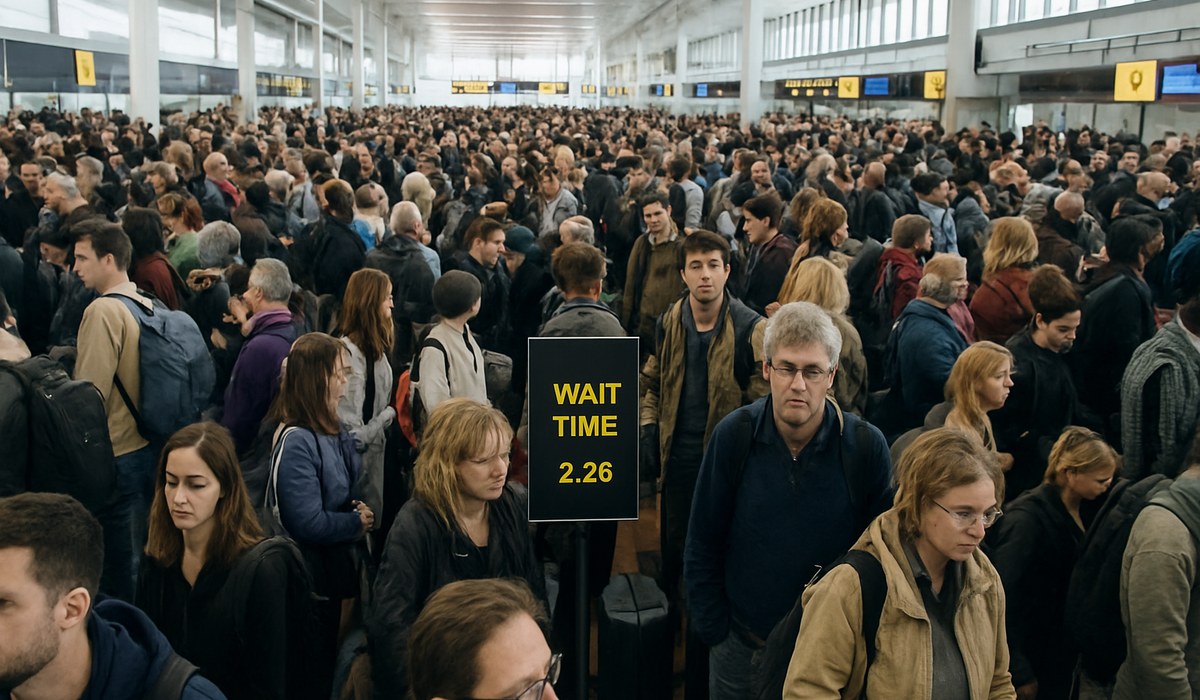
Image generated by AI
Massive Flight Disruptions Strike Australia's Busiest Airports
Hundreds of thousands of passengers across Australia's major transportation hubs faced severe travel chaos on March 28, 2026, as widespread flight disruptions cascaded through the network. Departure and arrival boards at Sydney Airport (SYD), Melbourne Airport (MEL), Brisbane Airport (BNE), and Perth Airport (PER) displayed a stark picture: 88 complete flight cancellations and more than 1,230 delayed services rippled across domestic and international routes.
The disruptions affected major carriers including Qantas Airways, Air New Zealand, Emirates, and numerous regional operators, creating a domino effect that extended beyond Australian borders into Middle Eastern hubs like Abu Dhabi and regional centers including Canberra International Airport (CBR) and Williamtown Airport (NTL).
"This represents one of March 2026's most significant aviation disruptions in the Southern Hemisphere," says aviation analyst commentary. The cascading delays compound travel planning challenges for business travelers and holiday-bound passengers alike, with real-time impact assessments showing recovery timelines extending well into the evening hours.
What Triggered the Australian Aviation Crisis?
While specific root causes remain under investigation, industry sources indicate systemic infrastructure challenges, potential air traffic control coordination issues, or weather-related factors contributed to the unprecedented scale of disruption across multiple major airports simultaneously.
The breadth of the disruption—affecting four of Australia's five largest airports concurrently—suggests either a coordinated external factor or cascading operational failures within Australia's National Airspace System. Aviation authorities and airport operators scrambled to manage passenger flow and prioritize critical routes.
Airlines and Routes Most Heavily Impacted
Qantas Airways and Subsidiary Operations
Qantas, Australia's flagship carrier, bore the brunt of disruptions with significant cancellations affecting:
- Sydney (SYD) to Melbourne (MEL) shuttle services
- Melbourne to Brisbane interstate routes
- Domestic Perth connections
- International services from Sydney to Abu Dhabi transiting through Middle Eastern hubs
Air New Zealand Cross-Tasman Routes
The New Zealand carrier's Australia-based operations experienced delays affecting trans-Tasman services between Sydney, Melbourne, and Auckland (AKL), with flow-on effects to Wellington and Christchurch connections.
Emirates and International Carriers
International long-haul operators faced cascading delays on inbound and outbound services, with particular impacts on:
- Abu Dhabi (AUH) hub connections
- Middle Eastern routing via Dubai (DXB)
- Onward Asia-Pacific connections
Regional Operators
Services to secondary hubs including Canberra, Williamtown, and regional Queensland centers experienced compounding delays as aircraft rotations backed up system-wide.
Real-Time Flight Tracking and Status Updates
Passengers seeking current flight information can monitor live disruption data through specialized aviation tracking platforms:
FlightAware Real-Time Tracking provides live radar, flight status, and historical delay data for affected routes.
For comprehensive regulatory information, the International Air Transport Association (IATA) publishes industry-wide disruption protocols and passenger assistance guidelines.
Australian aviation regulatory updates appear through official aviation authority channels, while US Department of Transportation Consumer Protections outlines international passenger rights frameworks applicable to US-based carriers operating Australian services.
Affected Airports: Disruption Severity by Location
| Airport | City | IATA Code | Est. Cancellations | Est. Delays | Recovery Timeline |
|---|---|---|---|---|---|
| Sydney Airport | Sydney, NSW | SYD | 22 | 380+ | Evening departure banks |
| Melbourne Airport | Melbourne, VIC | MEL | 18 | 310+ | Late evening recovery |
| Brisbane Airport | Brisbane, QLD | BNE | 24 | 270+ | Afternoon normalization |
| Perth Airport | Perth, WA | PER | 15 | 190+ | Late afternoon slots |
| Canberra International | Canberra, ACT | CBR | 6 | 45+ | Morning recovery |
| Newcastle/Williamtown | Newcastle, NSW | NTL | 3 | 35+ | Midday normalization |
Passenger Rights and Compensation Framework
Travelers affected by flight disruptions hold documented rights under Australian Consumer Law and international agreements:
Entitlements Include:
- Rebooking on alternative flights without additional charges
- Meal and refreshment provision during extended delays (4+ hours)
- Accommodation for overnight disruptions
- Communication access (phone calls, emails)
- Potential compensation for delays exceeding 3 hours (varies by route and distance)
Regulatory Guidance: Airlines operating under IATA standards and Australian Aviation Safety Regulations must comply with standardized passenger assistance protocols. International carriers are additionally bound by International Air Transport Association Resolution 722 on passenger handling.
Traveler Action Checklist
Passengers currently affected by Australian airport disruptions should follow these prioritized steps:
-
Check Flight Status Immediately – Visit your airline's website or FlightAware to verify real-time flight status, delays, and rebooking information.
-
Contact Your Airline Directly – Phone, chat, or email your carrier to secure rebooking options on alternative flights, often with priority on competing carriers' services.
-
Document All Expenses – Retain receipts for meals, accommodation, ground transportation, and communications—these form the basis for compensation claims.
-
Capture Booking References – Screenshot or photograph your original booking confirmation, updated itinerary, and any airline-issued disruption notices.
-
File Claims Within Deadlines – Submit compensation requests to your airline within the specified window (typically 6-24 months depending on jurisdiction and route origin).
-
Escalate to Aviation Authorities – If airlines deny compensation, lodge formal complaints with:
- Australian Civil Aviation Safety Authority (CASA)
- Relevant State consumer protection agencies
- International regulatory bodies for cross-border disruptions
-
Consult Travel Insurance – Review your policy for coverage of flight disruptions, missed connections, and accommodation costs incurred during the delay.
-
Monitor Official Updates – Subscribe to airport and airline notification systems for real-time information on rebooking windows and recovery timelines.
Recovery Timeline and Operational Outlook
Industry analysts project a 24-36 hour recovery window for complete operational normalization across Australian airports. Brisbane may see faster recovery due to lower disruption density, while Sydney and Melbourne—Australia's busiest international gateways—face extended rebooking backlogs.
Evening March 28: Primary departure banks rescheduled; regional services prioritized March 29 morning: International long-haul services resume normal scheduling March 29 afternoon: Full domestic network normalization expected March 29 evening: Cross-Tasman Air New Zealand services and Abu Dhabi Emirates connections restore normal frequencies
The Qantas domestic network remains the primary focus for recovery prioritization, given its 65% market share of Australian domestic aviation. Regional operators and connecting services face secondary rescheduling until core network stability restores.
FAQ: Australian Airport Disruptions
Q: Are there specific weather conditions causing these delays? A: While weather may be contributing, the simultaneous impact across multiple geographic regions suggests systemic factors beyond localized weather events.
Q: Will my flight be rebooked automatically? A: Airlines typically rebook domestic passengers automatically on next-available flights. International travelers should contact airlines proactively—automatic rebooking may involve lengthy delays.
Q: Can I get a refund instead of rebooking? A: Under Australian Consumer Law, refunds are generally available only if you choose not to travel; rebooking is the standard airline obligation. However, persistent delays may trigger refund eligibility.
Q: What about connections to international hubs (Abu Dhabi, Dubai)? A: Middle Eastern hub connections will experience cascading delays until Australian departure delays resolve. Alert your airline if you hold onward international connections.
Q: Are there alternative routes between Melbourne-Sydney-Brisbane? A: Ground transportation alternatives include coach services (8-12 hours), rail (16+ hours), and car rental for shorter segments. However, rebooking via competing airlines remains the fastest option.
Q: When should I expect compensation payments? A: Airlines typically process compensation claims within 6-8 weeks, though disputed claims may require regulatory intervention extending timelines to 3-6 months.
Related Travel Resources
For additional real-time aviation information and passenger assistance resources:
- FlightAware – Real-time flight tracking and historical disruption data
- IATA Passenger Services – International aviation standards and passenger rights frameworks
- US Department of Transportation – Consumer protection regulations and complaint processes
Last Updated: March 28, 2026, 14:30 AEDT
This article is continuously updated as situation information develops. Bookmark for latest disruption status.
Disclaimer
This article is for informational and educational purposes only. It does not constitute legal, financial, or professional advice. While we strive to provide accurate and up-to-date information, travel policies, regulations, and conditions change rapidly. Always verify information with official sources before making travel decisions. Nomad Lawyer makes no representations about the accuracy, reliability, completeness, or suitability of the information provided. Readers should consult qualified professionals for advice specific to their circumstances. The views expressed in this article are those of the author and do not necessarily reflect the views of Nomad Lawyer.
Kunal K Choudhary
Co-Founder & Contributor
A passionate traveller and tech enthusiast. Kunal contributes to the vision and growth of Nomad Lawyer, bringing fresh perspectives and driving the community forward.
Learn more about our team →