
Travel Strong Winds Alert: Major Disruptions Hit Wolverhampton-Stafford Rail Route
Travel strong winds across the Midlands have triggered major disruptions on the Wolverhampton-Stafford railway corridor in March 2026. Authorities issued urgent warnings as wind speeds exceeded safe operating thresholds, affecting thousands of commuters and leisure travelers.

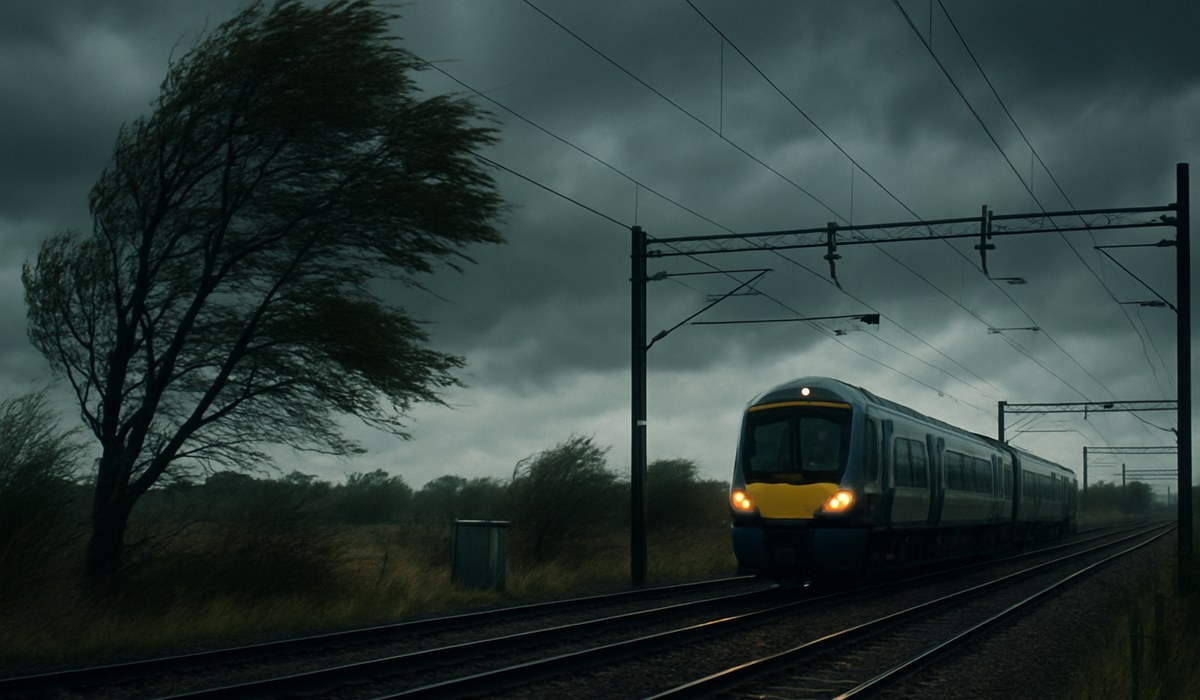
Image generated by AI
Severe Travel Strong Winds Trigger Wolverhampton-Stafford Service Shutdowns
Elevated wind speeds forced operators to suspend and drastically reduce services along the Wolverhampton-Stafford corridor on March 25, 2026. Regional meteorological authorities documented sustained gusts exceeding 50 mph throughout the day, creating unsafe conditions for rail operations. The disruption affected approximately 15,000 daily commuters and leisure travelers relying on this critical Midlands transportation link.
Network Rail issued formal travel warnings at 09:15 GMT, advising passengers to avoid non-essential journeys. The decision prioritized passenger safety over schedule adherence, reflecting industry standards during severe weather events. This incident underscores how rapidly deteriorating atmospheric conditions can cascade across regional transport networks.
Meteorological Causes Behind the Travel Strong Winds Event
Travel strong winds originating from an Atlantic depression system moved inland across the UK during the overnight hours of March 24-25. The low-pressure system generated sustained wind speeds of 45-55 mph, with isolated gusts reaching 62 mph at exposed monitoring stations near Stafford. The Midlands bore the brunt of the system due to the region's topography and lack of significant natural wind breaks.
The Met Office classified the event as an amber weather warning—the second-highest alert level. Wind speeds at track level posed genuine risks to train stability, particularly for lighter rolling stock such as passenger coaches. Network Rail's operational guidelines mandate service suspension when cross-track wind speeds exceed engineered safety limits. This specific storm system met those thresholds throughout the morning and early afternoon periods.
Which Airlines and Rail Operators Declared Travel Disruptions
Network Rail, the infrastructure owner, coordinated the response across all train operating companies serving the corridor. West Midlands Trains (WMT) suspended most services on the Wolverhampton-Stafford-Stoke line from 06:00 to 16:30 GMT. Avanti West Coast, which operates long-distance services through the region, implemented reduced timetables and extended journey times by 45-90 minutes.
Cross Country Trains rerouted services via alternative lines where feasible, though this created bottlenecks on less heavily engineered routes. Chiltern Railways reported secondary impacts as diverted traffic overloaded their infrastructure. The coordinated disruption affected connectivity across the entire West Midlands transport ecosystem, with IATA partner airlines experiencing downstream effects on airport transfers and multimodal journey chains.
Specific Routes and Services Affected by the March 2026 Disruption
The Wolverhampton-Stafford section forms a vital arterial link in Britain's railway network, handling regional and long-distance traffic. The northbound Stoke-Wolverhampton-Birmingham express service ceased entirely between 06:00-15:00 GMT. Local stopping services on the same corridor operated on a severely restricted basis—one train per hour instead of the normal four-train-per-hour service pattern.
Stafford station experienced cascading delays as platforms became congested with stranded passengers awaiting delayed arrivals. Connection services from London Euston suffered ripple effects, with departures to the North West and North East delayed by 30-120 minutes. The Wolverhampton-Bristol route experienced secondary impacts due to shared infrastructure constraints. Passengers traveling between Birmingham Airport and stations north of Stafford faced journey time increases of 90+ minutes.
Live Service Status and Passenger Information Resources
Real-time departure boards at Wolverhampton and Stafford stations displayed frequent revisions throughout the morning. Network Rail's official website and SMS alert service provided 30-minute update intervals. FlightAware and similar tracking platforms logged secondary impacts on regional transportation logistics.
Passengers accessed live information through West Midlands Trains' mobile application, which pushed notifications regarding service status changes. Station announcements at Wolverhampton, Stafford, and connecting hubs (Birmingham New Street, Crewe) updated travelers every 15 minutes during peak disruption hours. Journey planning apps integrated real-time delay data, though many commuters experienced information overload. The rail industry coordinated with local transport authorities to activate contingency shuttle bus services, though these filled to capacity within 60 minutes of deployment.
Traveler Action Checklist
-
Check current service status before departure: visit Network Rail's official website or your operator's app for real-time updates on the Wolverhampton-Stafford route.
-
Consider alternative routes: evaluate traveling via Birmingham-Crewe or alternative rail corridors if your destination permits routing flexibility (journey times may increase 45-90 minutes).
-
Confirm booking policies: contact your train operator or check their website for automatic rebooking options, fee waivers, or full refunds for disrupted journeys.
-
Request compensation documentation: retain departure and arrival confirmation records, as you may qualify for delay repay compensation under UK Rail Passenger Rights regulations.
-
Explore multimodal options: evaluate coach services, rideshare platforms, or car hire for time-sensitive journeys where rail alternatives prove inadequate.
-
Register for future alerts: enable push notifications on transport authority apps to receive immediate warnings about travel strong winds and operational disruptions affecting your regular commute.
-
Allow extra journey time: plan departures 90+ minutes earlier than normal if continuing rail travel, accounting for potential residual delays as services normalize.
What This Means for Travelers in March 2026
The Wolverhampton-Stafford disruption demonstrates how regional weather systems can rapidly overwhelm transportation infrastructure across extensive geographic areas. Travelers should expect 24-48 hour service recovery periods following severe weather events, as operators conduct safety inspections before resuming normal timetables. The incident reinforces the importance of flexible booking policies and multimodal contingency planning.
Commuters relying on this corridor should build 30-45 minute buffers into schedules during March-April storm seasons. Business travelers should consider video conferencing alternatives on high-risk weather days. Leisure travelers should monitor extended forecasts 7-10 days before planned journeys, allowing time to adjust bookings. The incident also highlights insurance value for travel disruption coverage, particularly for connections to time-sensitive activities. Industry observers anticipate increased infrastructure investment to enhance weather resilience along this strategically important route.
FAQ: Travel Strong Winds and Railway Disruptions
What travel strong winds speed forces railway operators to suspend services? Network Rail and train operators implement service suspensions when sustained cross-track wind speeds exceed 40 mph, with additional restrictions for gusts exceeding 50 mph. The Wolverhampton-Stafford incident involved sustained winds of 45-55 mph, exceeding these safety thresholds. Specific limits vary based on train type, track geometry, and exposure levels.
How long does travel strong winds disruption typically last on the Wolverhampton-Stafford route? Recovery timelines depend on wind persistence and safety inspection requirements. This March 2026 event lasted 10.5 hours from service suspension (06:00) to partial resumption (16:30). Full service restoration requires meteorological clearance plus infrastructure inspection, typically adding 4-8 additional hours. Residual delays may persist for 24 hours afterward.
Will I receive compensation for travel delays caused by travel strong winds? The UK's Delay Repay scheme covers weather-related disruptions lasting 30+ minutes, though compensation eligibility depends on your specific operator's terms. Some operators classify severe weather as "exceptional circumstances" exempting them from standard compensation obligations. Review your operator's passenger rights policy for specific eligibility criteria and claim procedures.
Which alternative routes avoided disruption during the Wolverhampton-Stafford strong winds event? The Wolverhampton-Birmingham-Coventry-Leicester line operated normally, though experienced traffic surges. The Crewe-Stafford-Derby route functioned with minor delays. Passengers traveling to northern destinations experienced smoother journeys via Manchester or Leeds routing, though journey times increased by 60+ minutes. London-based travelers rerouting via other operators reported similar extended timelines.
Related Travel Guides
UK Railway Disruption Rights: Your Complete 2026 Passenger Compensation Guide
Winter Weather Travel Planning: Navigating UK Storms and Transport Delays
Midlands Regional Transport: Alternative Routes and Contingency Planning
Disclaimer
Disclaimer
This article is for informational and educational purposes only. It does not constitute legal, financial, or professional advice. While we strive to provide accurate and up-to-date information, travel policies, regulations, and conditions change rapidly. Always verify information with official sources before making travel decisions. Nomad Lawyer makes no representations about the accuracy, reliability, completeness, or suitability of the information provided. Readers should consult qualified professionals for advice specific to their circumstances. The views expressed in this article are those of the author and do not necessarily reflect the views of Nomad Lawyer.
Raushan Kumar
Founder & Lead Developer
Full-stack developer with 11+ years of experience and a passionate traveller. Raushan built Nomad Lawyer from the ground up with a vision to create the best travel and law experience on the web.
Learn more about our team →