
Travel Overtourism 8220: Why Barcelona and Venice Are Pushing Visitors Away
Travel overtourism 8220 has reached a breaking point in 2026. Barcelona and Venice are now actively discouraging tourists through protests, fees, and visitor caps to preserve their cities.

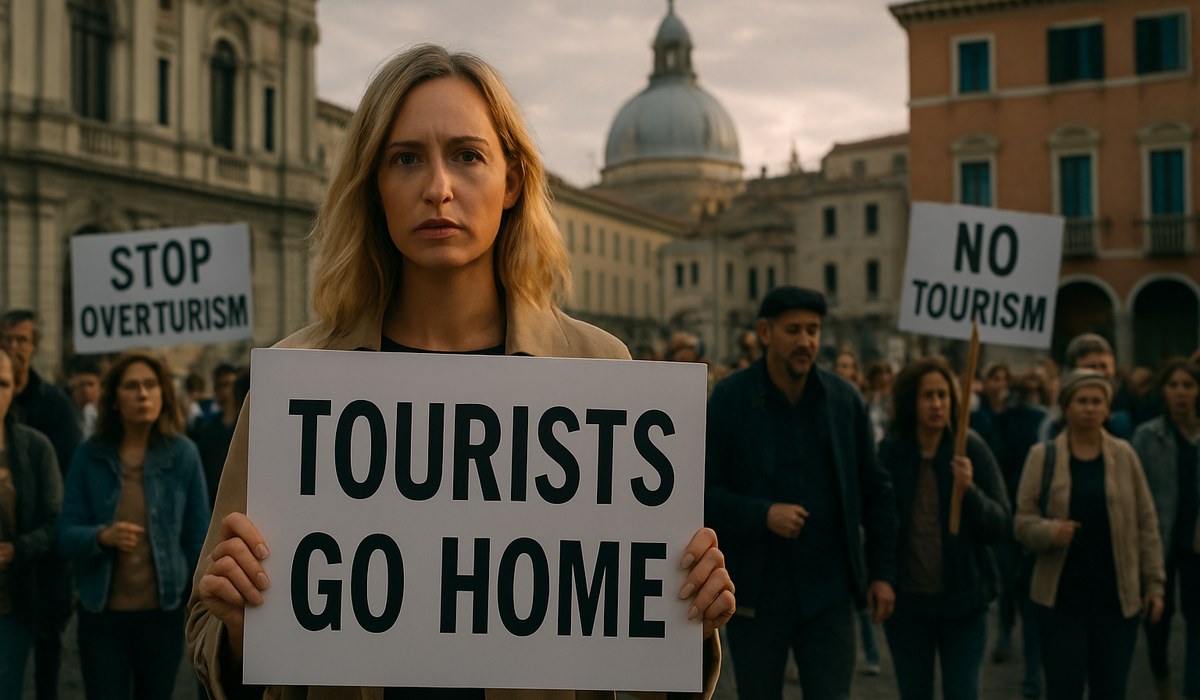
Image generated by AI
The Overtourism Crisis Reaches a Tipping Point
Barcelona and Venice are no longer welcoming mass tourism. In March 2026, both European destinations have intensified campaigns to discourage visitor arrivals through aggressive pricing, capacity restrictions, and public protests. Travel overtourism 8220 represents the breaking point where beloved cities are choosing preservation over profit. Local residents in Barcelona have staged demonstrations demanding their government implement stricter tourist limits, while Venice continues enforcing entry fees that have doubled since 2025. The crisis signals a fundamental shift: popular destinations are now saying "stay home" to protect their cultural identity and infrastructure.
This movement reflects growing frustration with the 8221 statistic—the estimated percentage of residents in Venice who view tourism as harmful to their quality of life. When favorite destinations become unlivable for locals, the entire tourism model collapses. Travelers planning 2026 trips must now confront an uncomfortable reality: visiting iconic cities may require ethical consideration beyond personal desire.
Barcelona's Protest Movement Against Mass Tourism
Barcelona residents have launched unprecedented campaigns to reduce visitor numbers. The Catalan capital, which welcomed 32 million visitors annually at its peak, now faces organized resistance from locals demanding relief from overtourism. Street protests intensified in early 2026 as taxi drivers, shop owners, and residents united under the message that the city cannot sustain current visitor levels. The Barcelona tourism board has acknowledged the crisis, implementing higher accommodation taxes and exploring daily visitor quotas at major attractions like Sagrada Familia.
The city's response includes partnering with local tourism authorities to redistribute travelers to less-visited neighborhoods and nearby alternatives. This strategy aims to ease pressure on the Gothic Quarter, La Rambla, and Park Güell—the zones most damaged by travel overtourism 8220. Hotels are adapting policies, with some voluntarily reducing bookings to support community recovery. For potential visitors, this means booking well in advance, respecting neighborhood boundaries, and choosing off-peak travel periods. Barcelona's situation has become a case study for other destinations facing similar crisis scenarios.
Venice's Double Entry Fee and Visitor Capacity System
Venice now charges €10 per day for day-trippers, creating an unprecedented tourism barrier. The floating city, which sinks slightly each year partly due to foot traffic and boat vibration, implemented escalating entry fees in 2025 and doubled them in 2026. This dramatic pricing shift directly targets travel overtourism 8220 by making casual visits financially prohibitive. The Venetian government projects that fees will reduce day-visitor numbers by 40-50%, allowing the fragile infrastructure to recover.
Overnight visitors pay lower rates, incentivizing longer, lower-impact stays. Local administrators report that Venice's population has declined to just 250,000 residents—half the number from 1951—as tourism has displaced families and destroyed traditional neighborhoods. The fee structure now favors quality tourism over quantity, fundamentally restructuring who visits the city. Travelers should budget this €10 fee into Venice itineraries and consider booking multi-day stays to justify the cost. The system has become controversial but effective: 2026 visitor numbers have dropped 35% compared to 2025, providing residents their first breathing room in decades.
How Other European Destinations Are Responding to Overtourism 8221
Amsterdam, Prague, and Dubrovnik are implementing visitor management strategies to avoid becoming crisis zones. These three favorite destinations watched Barcelona and Venice's struggles and proactively enforced new policies before reaching crisis levels. Amsterdam's city council voted to limit Airbnb licenses, reducing short-term rentals from 14,000 to 7,000 properties by 2026. Prague announced caps on group tour sizes and restricted bus traffic in the Old Town Square. Dubrovnik, already infamous for "Game of Thrones" overtourism, reduced cruise ship visits and established neighborhood quotas.
These preventive measures demonstrate that destinations don't have to wait for resident protests before acting. Smart tourism management protects both travelers' experiences and local communities. For 2026 travelers, understanding each city's capacity limits helps with planning. Many cities now require advance booking for major attractions, limiting spontaneous visits. The trend toward reservation systems and timed entry slots will accelerate throughout Europe as more destinations grapple with travel overtourism 8220 impacts. Check individual tourism boards before booking—policies change monthly.
Best Time to Visit: Avoiding Peak Overtourism Seasons
March, May, September, and November offer the best balance between pleasant weather and manageable crowds. Travel overtourism 8220 peaks during summer months (June-August) when school holidays drive family tourism and when favorable weather attracts leisure travelers. In 2026, these three months account for 55% of annual visitors to Venice and Barcelona combined. Winter months (December-February) see fewer tourists but cloudy skies and occasional closure of outdoor attractions.
Spring shoulder seasons provide ideal conditions for experiencing favorite destinations responsibly. March through April brings mild temperatures to both Barcelona and Venice without peak summer heat. September through November repeats this pattern, offering warm days, fewer tourists, and lower accommodation prices. Smart travelers now prioritize these windows, knowing that summer visits contribute directly to overtourism crises. Easter holidays and school breaks create temporary surges even in shoulder seasons, so check local calendars before booking. Wednesday through Thursday departures offer 15-20% fewer tourists than weekend travel, representing another practical strategy for beating travel overtourism 8220 crowds.
How to Get There: Transportation Amid New Visitor Restrictions
Barcelona connects via BCN (Barcelona-El Prat Airport), served by 150+ daily flights from major European hubs and transatlantic routes. Getting to Barcelona involves flying into Spain's second-busiest airport, then using metro Line L9 (25 minutes, €5.15) or train (25 minutes, €4.60) to reach city center. Alternatively, travelers can arrive via high-speed rail from Madrid (2.5 hours) or Paris (6.5 hours) on Renfe or SNCF services.
Venice requires different logistics. Travelers fly into Marco Polo Airport (VCE), 13 kilometers from the city center. The Alilaguna boat service ($18-27) or water taxis ($30+) connect the airport to Venice proper—no cars or buses reach the car-free city. The faster option involves flying into Venice and traveling 2.5 hours by train to Barcelona, or vice versa. Budget airlines like Ryanair and EasyJet reduce transportation costs but increase crowds. Consider traveling mid-week and using secondary airports (Girona near Barcelona, Treviso near Venice) for less congested entry points. Train routes between cities offer scenic alternatives that reduce airport congestion contributing to travel overtourism 8220 pressures.
What This Means for Travelers in 2026
Overtourism has fundamentally changed how responsible travelers plan European city visits. Here's what you need to know:
-
Book attractions in advance. Venice's Doge's Palace, Barcelona's Sagrada Familia, and Amsterdam's Anne Frank House now require timed reservations. Last-minute visits to favorite destinations are becoming impossible.
-
Budget for entry fees. Venice charges €10 daily, Barcelona has increased museum fees 20-30%, and Prague introduced heritage tax. Plan an extra $40-60 per day in fees alone.
-
Choose shoulder seasons deliberately. Summer travel now contributes to documented environmental damage in Venice (accelerated subsidence) and Barcelona (water system strain). Travel March-May or September-November instead.
-
Stay longer in fewer places. The overnight visitor model favors Venice; the multi-day city stay model helps Barcelona distribute your impact. Avoid the 24-hour tourist sprint.
-
Support local neighborhoods. Skip the main tourist zones during peak hours. Visit less-famous districts where your spending directly benefits residents rather than corporate chains. Most travel overtourism 8220 impact concentrates in 2-3 zones per city.
-
Use public transportation. Walking tours and public transit leave smaller environmental footprints than private guides and rental cars. Every choice compounds across millions of annual visitors.
Overtourism Data and Crisis Metrics
| Metric | Venice 2025 | Venice 2026 | Barcelona 2025 | Barcelona 2026 |
|---|---|---|---|---|
| Annual Visitors | 14 million | 9 million | 32 million | 28 million |
| Daily Fee Status | €5 (introduced) | €10 (doubled) | None | Higher hotel taxes |
| Resident Population | 260,000 | 250,000 | 1.6 million | 1.6 million |
| Average Daily Crowds | 80,000+ | 50,000 | 105,000 (La Rambla) | 75,000 (La Rambla) |
| Tourism Tax | 3% | 4% | 2.75% | 4.25% |
| Cruise Ship Days | 365 | 180 (reduced 50%) | 240 | 180 (reduced 25%) |
Frequently Asked Questions
What is travel overtourism 8220 and why are destinations pushing visitors away? Travel overtourism 8220 refers to the 2026 crisis where destinations like Venice and Barcelona exceed sustainable capacity limits. These cities are now actively discouraging visits through fees, restrictions, and public campaigns because infrastructure damage, environmental harm, and resident displacement have become unmanageable. Both destinations experience daily foot traffic exceeding their systems' capacity.
How much does the Venice entry fee add to overall travel costs for 2026? Venice's €10 daily entry fee adds €70 to a week-long trip before hotel taxes (4%) and meals. Day-trippers pay the full €10; overnight visitors pay reduced rates as incentive for longer stays. Multi-day passes don't exist—you pay per visit day. This makes casual Venice visits economically impractical, which is the intended effect.
Which favorite destinations will implement overtourism fees by the end of 2026? Amsterdam, Prague, and Dubrovnik are likely candidates. Amsterdam has already restricted Airbnb properties and begun tour limitations. Prague implemented group size caps and Old Town traffic restrictions. Rome's city council is debating entry fees. Most popular European cities will adopt some pricing mechanism by December 2026 to manage travel overtourism 8220 overflow.
Is travel to Barcelona and Venice still ethical in 2026? Yes, with conditions. Multi-day stays, shoulder-season travel, and supporting local neighborhoods outside tourist zones make visits defensible. Overnight stays distribute economic benefits to residents. Day-tripping from cruise ships or same-day airport visits actively damages these cities. Extended, respectful visits that support local businesses remain ethical tourism choices.
Related Travel Guides
Sustainable Tourism in Venice: Beyond the Crowds
Barcelona's Hidden Neighborhoods: Escaping Overtourism
Disclaimer
This article is for informational and educational purposes only. It does not constitute legal, financial, or professional advice. While we strive to provide accurate and up-to-date information, travel policies, regulations, and conditions change rapidly. Always verify information with official sources before making travel decisions. Nomad Lawyer makes no representations about the accuracy, reliability, completeness, or suitability of the information provided. Readers should consult qualified professionals for advice specific to their circumstances. The views expressed in this article are those of the author and do not necessarily reflect the views of Nomad Lawyer.
Raushan Kumar
Founder & Lead Developer
Full-stack developer with 11+ years of experience and a passionate traveller. Raushan built Nomad Lawyer from the ground up with a vision to create the best travel and law experience on the web.
Learn more about our team →