
Travel India Japan: Asia Coordinates Emergency Evacuation Flights From Middle East
India, Japan, Australia, Malaysia, and South Korea launch coordinated emergency evacuation flights in March 2026. Emirates, Air India, and IndiGo operate special routes from Qatar, UAE, and Saudi Arabia. Thousands of travelers affected.

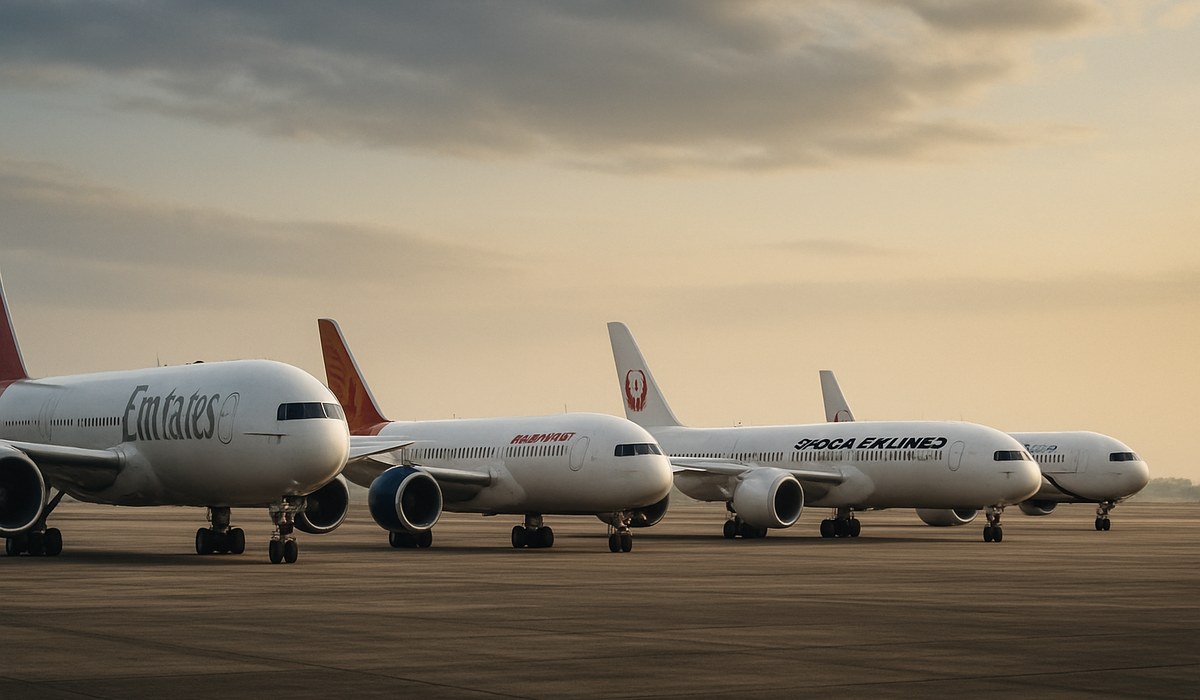
Image generated by AI
Asian Nations Launch Coordinated Emergency Evacuation for Stranded Travelers
India, Japan, Australia, Malaysia, and South Korea have activated a region-wide emergency evacuation initiative on March 24, 2026, to repatriate citizens and residents stranded across the Middle East. The coordinated response involves special charter and commercial flights from Doha, Dubai, Riyadh, and smaller hubs across the Gulf. Major carriers including Air India, Emirates, IndiGo, and Etihad are operating additional daily routes to manage demand.
The evacuation stems from escalating regional tensions affecting travel operations and passenger confidence. Airlines report capacity increases of 40-50% on Asia-bound routes through early April 2026.
Air India and IndiGo Mobilize Domestic Network for Indian Travelers
Air India and IndiGo have deployed additional Airbus A320 and Boeing 787 aircraft from their international fleets to operate multiple daily services from DOH (Hamad International Airport) and DXB (Dubai International) to India. Air India alone scheduled 18 extra rotations in the week of March 24, with flights landing primarily at Delhi (DEL), Mumbai (BOM), and Bangalore (BLR).
IndiGo confirmed flights from Qatar and the UAE to cities including Hyderabad (HYD) and Pune (PNE). Both carriers waived change fees and provided meal vouchers for affected passengers. According to IATA, such coordinated carrier responses reduce consumer friction during regional crises.
Emirates and Etihad Expand Capacity for Australians and Southeast Asians
Emirates and Etihad Airways have increased frequencies on routes serving Australia, Malaysia, and Thailand from their Dubai and Abu Dhabi hubs. Emirates scheduled daily flights from DXB to Sydney (SYD), Melbourne (MEL), and Kuala Lumpur (KUL) through April 15, 2026. Etihad added five weekly rotations to Bangkok (BKK) and increased seat inventory by 2,400 on Australia-bound services.
Malaysian carriers Air Asia and Malaysia Airlines coordinated with Gulf operators to reposition aircraft and accept overflow passengers. The FAA confirmed these routes maintain standard safety protocols despite accelerated scheduling.
Japan Airlines and All Nippon Airways Activate Return Services From Gulf
Japan Airlines (JAL) and All Nippon Airways (ANA) mobilized special charter flights from Doha and Riyadh to Tokyo Narita (NRT) and Osaka Kansai (KIX) starting March 24. JAL confirmed 12 charter flights with Boeing 777 aircraft, offering direct routing to reduce travel time for Japanese nationals. ANA deployed six dedicated A350 widebodies.
South Korean carriers Korean Air and Asiana Airlines activated similar services to Seoul Incheon (ICN). Combined capacity across Japanese and Korean carriers exceeded 8,500 seats for the evacuation period.
Live Flight Tracking and Real-Time Passenger Updates
Travelers can monitor evacuation flight status via FlightAware, which displays live tracking for all participating carriers. Emirates, Air India, and Etihad updated passenger notifications through SMS and mobile apps with gate assignments, new departure times, and baggage allowances.
Airlines implemented dedicated evacuation hotlines in English, Hindi, Japanese, Korean, Mandarin, and Arabic. Passengers with existing bookings received automatic rebooking priority on evacuation flights at no additional charge. Most carriers extended check-in windows to three hours prior to departure.
Key Timeline and Operational Data
| Metric | Details |
|---|---|
| Evacuation Start Date | March 24, 2026 |
| Primary Departure Hubs | DOH, DXB, RUH, BAH |
| Destination Regions | India, Japan, Australia, South Korea, Malaysia, Thailand |
| Primary Airlines | Air India, Emirates, IndiGo, Etihad, JAL, ANA, Korean Air |
| Estimated Passengers Affected | 15,000–18,000 in first week |
| Extra Weekly Flights Deployed | 85+ round-trip services |
| Expected Duration | March 24–April 30, 2026 |
| Seat Capacity Added | 22,000+ across all carriers |
What This Means for Travelers
If you hold a ticket on any affected route, take these immediate actions:
-
Check your airline's website for evacuation flight information. Air India, Emirates, and IndiGo issued automated rebooking for dates March 24–31.
-
Call the evacuation hotline provided in your confirmation email. Average wait times are 8–12 minutes; international dialing applies.
-
Request baggage priority if you hold multiple items. Most carriers waived excess baggage fees through April 15, 2026.
-
Verify visa validity before departure, especially for Australia, Japan, and South Korea entries. Immigration offices in the Gulf offered expedited processing.
-
Arrange ground transportation at your destination. Many airlines provided transport vouchers to hotels or transit hubs.
-
Document all expenses for reimbursement claims under airline compensation policies. Keep receipts for meals, accommodation, and ground transfers.
Visit the [U.S. Department of Transportation Consumer Affairs Office](https://www.transportation.gov/airconsumer) for dispute resolution if your airline denies compensation.
Frequently Asked Questions
What is the main cause of these emergency evacuation flights in March 2026? Regional tensions affecting travel operations and passenger confidence across the Middle East triggered the coordinated response. India, Japan, Australia, Malaysia, and South Korea activated repatriation services to bring home citizens and residents on March 24, 2026.
Can I use these emergency flights if I'm traveling India Japan routes for non-essential reasons? Emergency flights prioritize stranded travelers, families with children, and passengers with medical needs. Standard bookings on India-Japan and Australia-bound routes are accepting standby passengers on available seats after priority rebooking concludes.
How long will these special evacuation flights continue? Airlines expect operations through April 30, 2026, with potential extensions based on regional stability. Daily updates appear on Emirates, Air India, and IndiGo official websites. Passengers receive SMS notifications 72 hours before their assigned flight.
Are change fees waived for existing bookings on affected routes through May 2026? Yes. All major carriers—including Air India, IndiGo, Emirates, and Etihad—waived change fees and provided meal vouchers for rebooking through April 15, 2026. Extensions apply if regional conditions persist.
Related Travel Guides
Travel Insurance Requirements for Asia-Pacific Evacuations 2026
Safe Routes From Middle East to Australia During Regional Unrest
Japan and South Korea Entry Requirements for Returning Travelers
Disclaimer
Disclaimer
This article is for informational and educational purposes only. It does not constitute legal, financial, or professional advice. While we strive to provide accurate and up-to-date information, travel policies, regulations, and conditions change rapidly. Always verify information with official sources before making travel decisions. Nomad Lawyer makes no representations about the accuracy, reliability, completeness, or suitability of the information provided. Readers should consult qualified professionals for advice specific to their circumstances. The views expressed in this article are those of the author and do not necessarily reflect the views of Nomad Lawyer.
Preeti Gunjan
Contributor & Community Manager
A passionate traveller and community builder. Preeti helps grow the Nomad Lawyer community, fostering engagement and bringing the reader experience to life.
Learn more about our team →