
Travel House Vote: Crucial TSA Funding Decision Shapes 2026 Security
Congress advances critical Transportation Security Administration funding vote on March 27, 2026. The travel house decision will impact airport screening capacity, wait times, and security protocols affecting millions of US travelers.

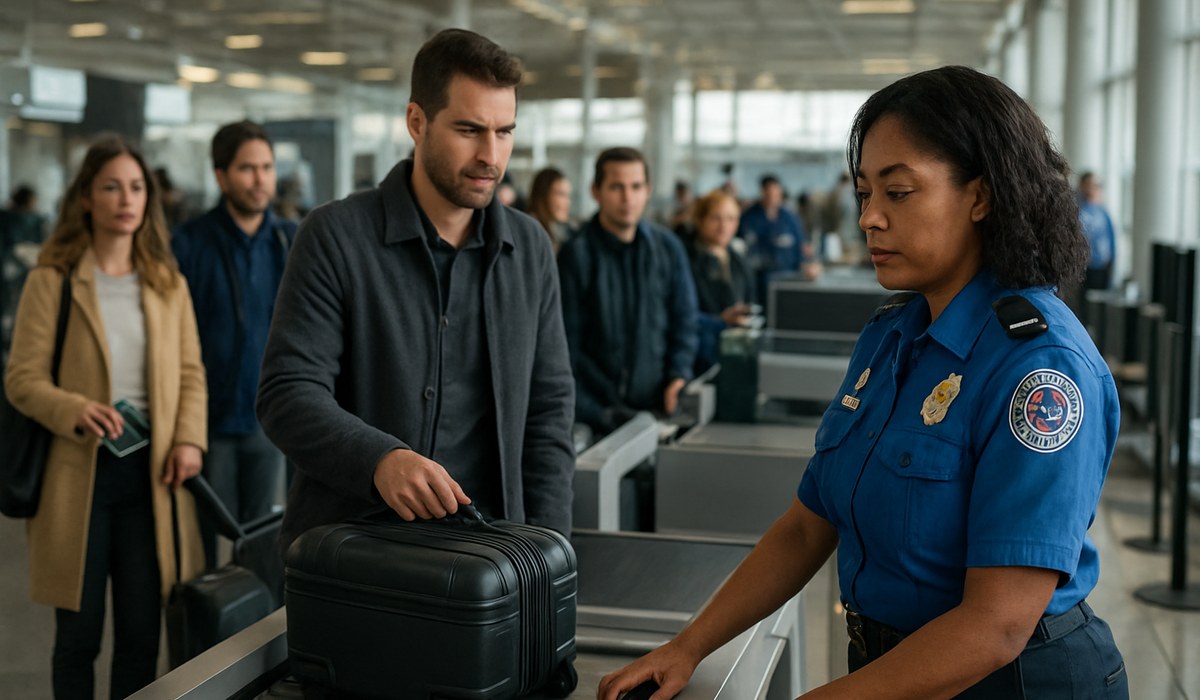
Image generated by AI
Congressional Travel Vote on TSA Resources Creates Uncertainty for Spring Travel Season
The U.S. House of Representatives is advancing a significant legislative measure on March 27, 2026, that will determine the Transportation Security Administration's operational budget and staffing levels for the remainder of the fiscal year. This critical travel house vote addresses whether the TSA will receive sufficient appropriations to maintain current airport security screening operations across all 440 federally-managed U.S. airports.
The funding allocation directly impacts how quickly passengers clear security checkpoints, the number of available screening lanes at major hubs, and the deployment of advanced detection technologies at regional airports. Travel industry analysts and airport management associations have flagged this vote as pivotal for maintaining service standards during peak travel periods.
Five Essential Details About the Travel House Funding Decision
Who Is Voting? The entire U.S. House of Representatives will participate in the roll-call vote. The Senate is expected to follow with its own funding resolution within two weeks, assuming House passage.
What Funding Level? Congressional committees are debating appropriations ranging from $8.2 billion to $9.1 billion annually for TSA operations—a variance of nearly $900 million that substantially affects hiring capacity and technology upgrades.
When Does It Take Effect? If passed, the funding mechanism activates immediately, with disbursements beginning in the second quarter of 2026. Budget shortfalls would trigger service reductions starting May 2026.
Where Will Impact Be Felt Most? Major metropolitan airports including Atlanta Hartsfield-Jackson, Chicago O'Hare, Dallas-Fort Worth, Denver, and Los Angeles International face the most significant operational constraints if funding levels fall short of current needs.
Why Is This Vote Happening Now? The 2026 budget reconciliation process requires congressional approval before the fiscal year quarter ends. Spring and early summer represent peak domestic travel seasons, making timing critical for operational planning.
Impact Analysis: TSA Capacity and Traveler Experience Projections
| Factor | With Full Funding | With Reduced Funding |
|---|---|---|
| Average Peak Hour Wait Time | 18–22 minutes | 35–45 minutes |
| Available Screening Lanes (Major Hubs) | 8–12 lanes | 5–7 lanes |
| TSA Officer Staffing | 45,000+ nationwide | 42,000 (2,800-person reduction) |
| Advanced Screening Technology Deployment | Rollout to 85 airports | Deployment frozen at 62 airports |
| Precheck/Clear Processing Centers | 400 facilities | 380 facilities |
| Expected Processing Speed | 2–3 minutes per passenger | 4–5 minutes per passenger |
Current Congressional Positions and Voting Dynamics
House Transportation Committee leadership has emphasized that adequate TSA funding strengthens national security infrastructure while maintaining traveler confidence in domestic air travel. Committee Chair statements indicate broad bipartisan support for baseline staffing levels, though disagreements persist regarding technology investment allocations.
Opposition to higher funding levels centers on cost-control arguments, with some fiscal conservatives proposing alternative efficiency measures rather than budget expansion. These lawmakers argue that existing TSA operations can absorb modest staffing adjustments through process optimization and scheduling modifications.
Travel industry stakeholders—including the Airlines for America coalition, Regional Airline Association, and American Travel Association—have collectively submitted position statements urging representatives to approve full funding levels, citing economic impact studies showing direct correlations between security wait times and passenger satisfaction metrics.
What This Means for Travelers in 2026
Short-Term Implications (April–June 2026): Travelers booking spring and early summer flights should anticipate potential wait time variability depending on vote outcomes. TSA recommends arriving 2 hours before domestic departures during this transition period, though actual requirements may fluctuate.
Frequent Travelers and PreCheck Members: Enrollment in TSA PreCheck remains the most reliable strategy for consistent screening experiences regardless of funding outcomes. Program benefits include dedicated screening lanes and expedited processing protocols that function independently of general capacity constraints.
Airport Selection Strategy: Passengers with flexibility on departure airports should consider routing through regional facilities rather than major hubs during peak travel windows (Thursday–Sunday, noon–6 p.m.). Secondary airports typically experience 30–40% shorter security lines due to lower passenger volumes.
Technology Integration: Full funding approval will accelerate deployment of artificial intelligence-enhanced screening systems that process passengers in under two minutes, compared to conventional screening averaging three minutes per traveler. These systems represent significant productivity improvements when operational at scale.
International Connection Implications: Domestic flights connecting to international departures rely heavily on TSA capacity. Funding constraints could delay connecting passengers, potentially affecting international itinerary adherence, particularly at hub airports serving significant intercontinental traffic.
Market Context and Broader Travel Security Considerations
The March 2026 travel house vote occurs within a broader operational context. TSA staffing has remained relatively flat since 2022 despite 18% growth in annual passenger volumes. This capacity-demand mismatch has generated operational stress during peak travel periods, with documented instances of security queue delays exceeding one hour at major hubs during 2025's summer season.
Airport security funding represents approximately 2% of total TSA operational expenses, with the remainder directed toward personnel, technology maintenance, and facility upgrades. Congressional decisions on this funding determine not only current operational capacity but also long-term infrastructure investment capabilities affecting security technology modernization across the national airport system.
Private security contractor relationships at smaller regional airports also depend on TSA funding levels, as federal reimbursement formulas determine the availability of federally-supervised private screening programs at 70+ U.S. airports.
FAQs: Traveler Questions About the TSA Funding Vote
Q: Will the vote outcome affect my upcoming flight? A: Immediate impacts depend on vote timing and implementation schedules. Flights booked for April–June 2026 face the highest probability of wait time variations if funding is reduced.
Q: Does TSA PreCheck protect me from funding-related delays? A: TSA PreCheck utilizes dedicated screening lanes that maintain priority processing even during capacity constraints at major terminals. Benefits remain consistent regardless of general TSA funding levels.
Q: Which airports will experience the most significant changes? A: Atlanta, Chicago, Dallas-Fort Worth, Denver, and Los Angeles airports would face the most pronounced impacts due to their high daily passenger volumes and current operational strain during peak periods.
Q: Should I change my travel plans based on this vote? A: The vote itself doesn't necessitate itinerary changes. However, travelers should adjust expectations for security processing times and allow extra buffer time for connections during May–September 2026.
Q: How does this funding compare to previous years? A: The 2026 debate represents a 12–15% funding increase over 2024 levels, though advocates argue this increase barely matches passenger volume growth and aging technology replacement requirements.
Looking Ahead: Travel Industry Monitoring and Response Plans
Airlines, airports, and travel service providers are developing contingency protocols based on funding vote outcomes. Most major carriers have issued internal guidance to customer service teams regarding potential schedule adjustments or traveler communication regarding security processing expectations.
The American Travel Association has established a post-vote analysis task force to monitor implementation timing and operational impacts, with weekly reports to travel agencies and industry stakeholders through June 2026.
Travelers seeking real-time updates on TSA capacity and security screening times can access official information through the TSA website's "Wait Times" portal, which provides live updates from participating airports nationwide.
The March 27, 2026, travel house vote represents a critical juncture for U.S. aviation security infrastructure investment, with direct consequences for millions of passengers planning domestic air travel throughout 2026.
Disclaimer
This article is for informational and educational purposes only. It does not constitute legal, financial, or professional advice. While we strive to provide accurate and up-to-date information, travel policies, regulations, and conditions change rapidly. Always verify information with official sources before making travel decisions. Nomad Lawyer makes no representations about the accuracy, reliability, completeness, or suitability of the information provided. Readers should consult qualified professionals for advice specific to their circumstances. The views expressed in this article are those of the author and do not necessarily reflect the views of Nomad Lawyer.
Preeti Gunjan
Contributor & Community Manager
A passionate traveller and community builder. Preeti helps grow the Nomad Lawyer community, fostering engagement and bringing the reader experience to life.
Learn more about our team →