
Travel chaos europe: 79 flights cancelled amid Lufthansa, easyJet, SAS strikes
Travel chaos across Europe intensifies as coordinated strikes at Lufthansa, easyJet, and SAS trigger 79 flight cancellations in 2026. Major hubs from Frankfurt to Copenhagen face severe disruption during peak Easter travel season.

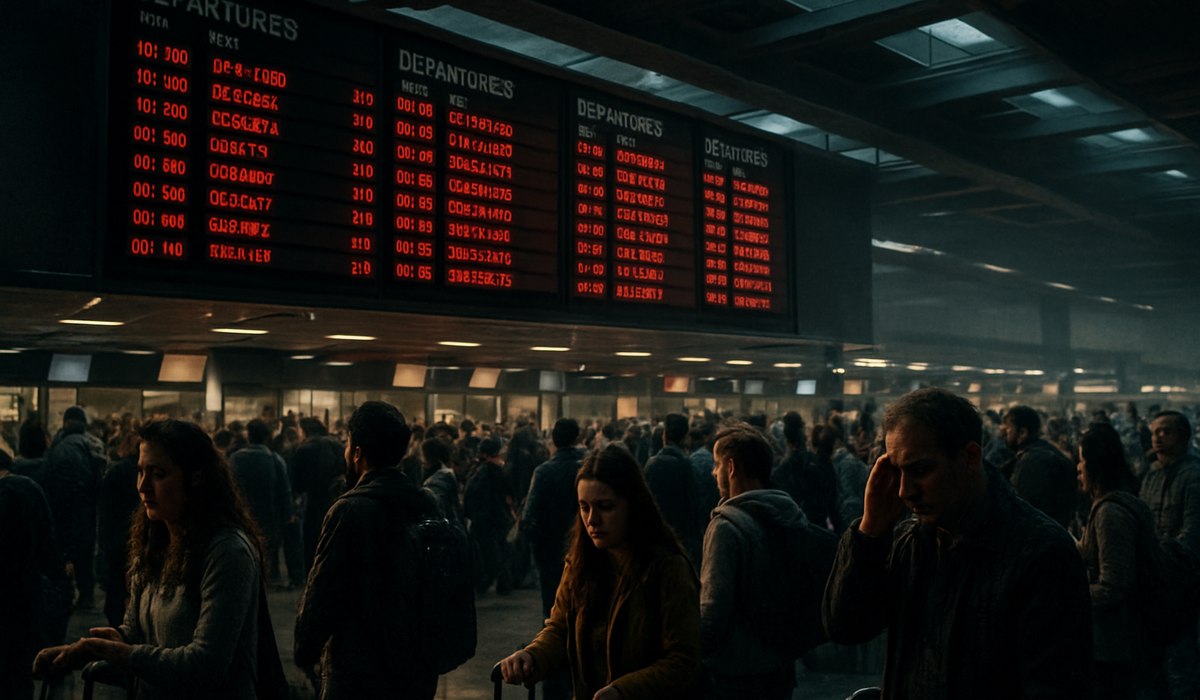
Image generated by AI
Widespread Flight Disruptions Grip European Aviation
Travel chaos across Europe has intensified dramatically as synchronized strike action at Lufthansa, easyJet, and Scandinavian Airlines (SAS) cascades into 79 confirmed flight cancellations and hundreds of delays across the continent's busiest aviation hubs. Frankfurt, Munich, Copenhagen, Barcelona, and Athens airports reported the most severe operational disruptions during the April 11, 2026 strike period, leaving tens of thousands of passengers stranded or significantly delayed. The coordinated labor actions reflect ongoing disputes over cabin crew compensation, working conditions, and scheduling practices at Europe's major carriers.
Strike Action Ripples Across Key European Hubs
Industrial unrest has created a patchwork of localized cancellations and system-wide delays affecting travelers across multiple countries. Real-time flight tracking data compiled from platforms like FlightAware reveals that the cascading impact extends far beyond the initial 79 direct cancellations, with connecting passengers particularly vulnerable to missed long-haul departures and involuntary overnight stays.
Frankfurt and Munich emerged as the primary disruption centers, where Lufthansa's cabin crew walkouts removed hundreds of aircraft from scheduled service. Copenhagen experienced significant strain as SAS grappled with Scandinavian labor tensions. Mediterranean routes through Barcelona and Athens saw easyJet services experiencing delays and schedule irregularities. The timing coincided with peak Easter holiday travel, when airlines had scheduled maximum capacity, amplifying the impact on passenger rebooking options and ground operations. Each grounded aircraft during high-demand periods affects exponentially larger numbers of customers, rapidly exhausting standby capacity at affected carriers.
Lufthansa Cabin Crew Dispute Intensifies Operations
Lufthansa, Europe's second-busiest network carrier operating thousands of daily flights, remains at the center of strike-related turmoil. Recent cabin crew walkouts organized by staff unions triggered concentrated disruptions specifically at Frankfurt and Munich hubs, with more than 500 flights cancelled at Frankfurt alone during peak strike hours. The airline has been attempting to maintain reduced service on select long-haul and high-demand European routes while cutting back regional and secondary services to preserve crew availability.
The travel chaos europe situation worsened because the strike coincided with Easter holiday scheduling, when Lufthansa had committed to maximum timetables. Passengers arriving at airports without confirmed rebookings faced lengthy queues at customer service desks. The carrier advised travelers to use digital tools for checking flight status and modifying itineraries, encouraging passengers to avoid airport visits without verified alternate flight confirmations. Industry analysts note that repeated strike waves erode passenger confidence and complicate crew planning for hub-and-spoke operations, creating cascading delays that persist for several days post-strike.
Scandinavia and Low-Cost Carriers Grapple with Disruption
SAS confronted simultaneous challenges across its Northern European network, with Copenhagen serving as the primary disruption point. Media coverage from Denmark and Sweden highlighted ongoing negotiations between management and employee representatives regarding pay structures and working conditions. Although SAS registered fewer absolute cancellations compared to Lufthansa, its role as a critical Scandinavian connector meant that even limited disruptions significantly impacted regional connectivity.
EasyJet experienced modest direct cancellation numbers but notable delay volumes at Mediterranean and Northern European stations. Barcelona and Athens airports reported passengers experiencing longer-than-usual waits, aircraft rotations deviating from standard sequences, and late-evening arrivals as the airline worked through congested schedules. These delays frequently stemmed from upstream disruptions elsewhere in easyJet's network, which then cascaded along popular leisure routes. The low-cost carrier's reliance on tight turnaround schedules meant that initial delays propagated through subsequent flights, creating a domino effect that extended the disruption window well beyond the active strike period.
What Travelers Need to Know
Passengers affected by the travel chaos europe strikes face several immediate options and requirements. The European Union's Regulation EC 261/2004 mandates that airlines provide compensation between €250 and €600 per passenger depending on flight distance, though strikes may exempt carriers from these obligations under certain circumstances. Travelers should immediately contact their airline to confirm rebooking options, request accommodation if overnight stays become necessary, and document all expenses for potential reimbursement claims.
Affected passengers have the right to request rerouting on alternative flights within 24 hours or receive full refunds. Airlines must provide meals, refreshments, and accommodation arrangements for passengers facing overnight delays. Travelers should photograph boarding passes, receipts, and any written communications from their airline regarding the cancellation or significant delay. Many travel insurance policies cover strike-related disruptions, making policy review essential for future reference. Monitor FlightAware for real-time flight status updates and check directly with your airline through their official website or customer service channels.
Traveler Action Checklist
- Confirm current flight status immediately through your airline's website or FlightAware before heading to the airport
- Request rebooking options on alternative flights, prioritizing carriers operating the same routes as your cancelled service
- Document all expenses including accommodation, meals, ground transportation, and collect itemized receipts for each cost
- Check your travel insurance policy to understand coverage for strike-related cancellations and delays
- Contact your credit card issuer if your flight was prepaid, as many cards provide secondary coverage for transportation disruptions
- File a compensation claim with your airline within the required timeframe (typically 3-6 months) if applicable under EU regulations
- Request meal and accommodation from your airline immediately rather than purchasing these services independently
- Track alternative transportation options including trains, buses, or rental cars to reach your final destination
Understanding Your Rights
European aviation regulations provide specific protections during airline disruptions. The US Department of Transportation maintains comprehensive guidance on passenger rights that applies to flights operated by carriers serving American routes. Verify the specific requirements for your jurisdiction and flight routing, as regulations vary between domestic European flights, intra-EU operations, and international services. Document all communications with your airline in writing through email rather than phone calls, creating a permanent record for potential compensation claims.
Frequently Asked Questions
Are airlines required to compensate passengers for strike-related cancellations?
Strike disruptions fall into a complex regulatory gray area. EU Regulation 261/2004 may exempt airlines from compensation if strikes qualify as extraordinary circumstances beyond their control. However, airlines remain obligated to provide rebooking, meals, accommodation, and communication expenses regardless of the cause. Review your airline's specific strike policy and consider filing claims anyway, as compensation availability depends on individual circumstances and airline policies.
How long do strike-related delays typically last?
Post-strike recovery periods vary significantly based on the affected airline's size, fleet size, and crew scheduling flexibility. Lufthansa-level disruptions often require 24-72 hours for complete operational recovery as aircraft and crews work through accumulated delays and maintenance schedules. Smaller carriers like easyJet may recover within 24 hours due to simpler network structures. Expect residual delays even after the strike officially ends as the airline processes rebooking requests and repositions aircraft.
What compensation can I request if my flight is cancelled?
Beyond potential statutory compensation, you can request reimbursement for meals, accommodation, ground transportation, and communication expenses (phone calls, internet access) incurred due to the cancellation. Obtain itemized receipts for all expenses. Airlines typically accept reasonable expenses up to €200 per person for single-night accommodations. Keep all documentation and submit claims within the specified timeframe, usually 6 months from your scheduled flight date.
Should I rebook immediately or wait for the airline's offer?
Contact your airline immediately to understand available reb
Disclaimer
This article is for informational and educational purposes only. It does not constitute legal, financial, or professional advice. While we strive to provide accurate and up-to-date information, travel policies, regulations, and conditions change rapidly. Always verify information with official sources before making travel decisions. Nomad Lawyer makes no representations about the accuracy, reliability, completeness, or suitability of the information provided. Readers should consult qualified professionals for advice specific to their circumstances. The views expressed in this article are those of the author and do not necessarily reflect the views of Nomad Lawyer.
Preeti Gunjan
Contributor & Community Manager
A passionate traveller and community builder. Preeti helps grow the Nomad Lawyer community, fostering engagement and bringing the reader experience to life.
Learn more about our team →