
Transitioning Mechanical Electronic Locks Transform Travel Security in 2026
Electronic locking devices are revolutionizing travel infrastructure in 2026, replacing mechanical systems across hotels, airports, and transportation hubs worldwide. Here's what nomadic professionals need to know.

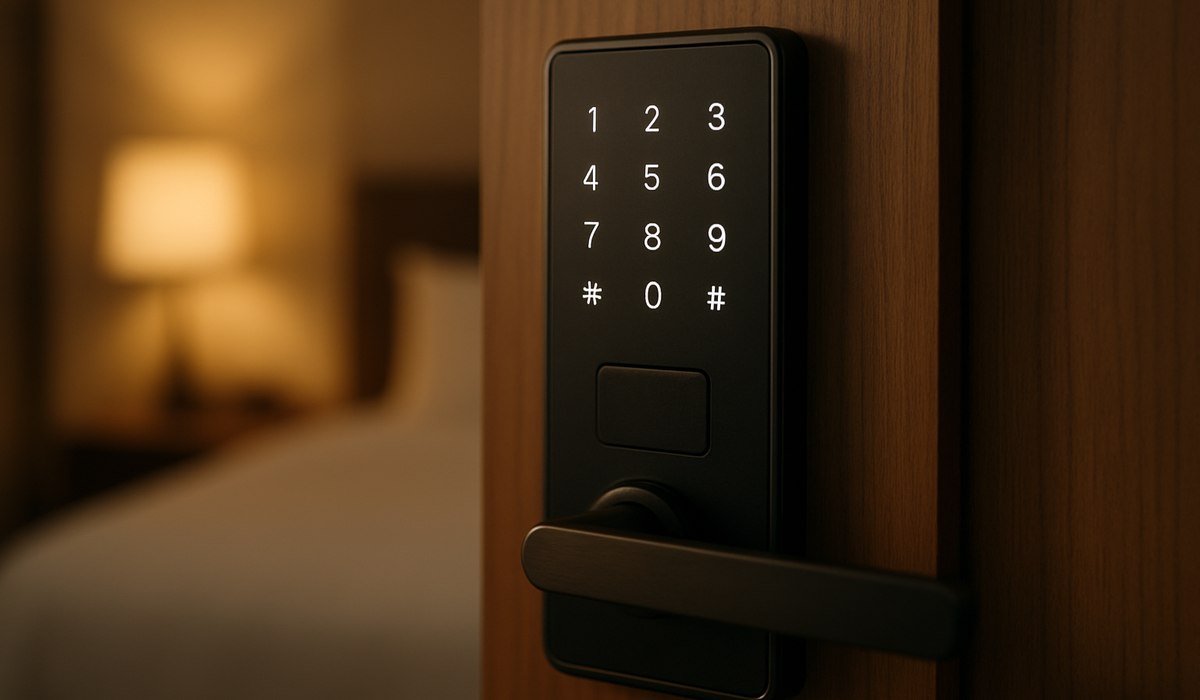
Image generated by AI
The Digital Revolution in Travel Access Control
Electronic locking devices are fundamentally reshaping how travelers access accommodations, transportation, and secure facilities worldwide. Hotels, airports, and transit operators are rapidly phasing out traditional mechanical locks in favor of sophisticated electronic systems that offer enhanced security, convenience, and real-time monitoring capabilities. This transition from mechanical to electronic locking infrastructure represents one of the most significant infrastructure shifts in modern travel, affecting millions of nomadic professionals, business travelers, and tourists annually.
The shift toward transitioning mechanical electronic security systems reflects broader industry recognition that outdated key-and-lock mechanisms cannot meet contemporary safety demands. Smart locks, keycards, biometric readers, and mobile access platforms now dominate premium hospitality sectors across North America, Europe, and Asia-Pacific regions.
Evolution of Access Control Technology
The journey from mechanical security to modern electronic systems spans decades of technological refinement. Traditional locks relied on physical keys and mechanical tumblers—a technology fundamentally unchanged since the 19th century. Electronic access control systems emerged in the 1970s but remained expensive and unreliable until the 2000s.
Today's transitioning mechanical electronic infrastructure incorporates multiple authentication layers. Keycards with magnetic strips dominated the 2010s, replaced by proximity cards and contactless technology. The latest systems integrate mobile apps, biometric scanning, and AI-powered monitoring. Hotels like the Marriott and Four Seasons now offer smartphone-based room access through digital wallets.
The evolution reflects manufacturers' focus on interoperability, energy efficiency, and audit trails. Electronic locking devices provide timestamped access records—critical for security and housekeeping coordination. This transparency addresses major pain points in hospitality management that mechanical locks never solved.
Benefits of Electronic Locking Systems for Travelers
Electronic access control systems deliver tangible advantages that enhance travel experiences. Speed represents the primary benefit—guests no longer wait for staff to cut new keys. Mobile apps enable instant room access from airport shuttles, eliminating check-in delays.
Enhanced security strengthens personal safety. Electronic devices prevent unauthorized key duplication and allow instant lock-outs of compromised access credentials. Hotels can remotely disable keycards if guests report theft or loss, protecting valuable items without physical lock changes.
Audit capabilities benefit both travelers and properties. Complete access logs document who entered specific rooms and when, useful for dispute resolution and theft investigations. Emergency services can access rooms instantly during medical emergencies without damaging doors.
Battery backup systems ensure functionality during power outages—a critical redundancy that mechanical locks lack. Biometric integration (fingerprint, facial recognition) provides passwordless convenience, particularly valuable for business travelers managing multiple properties.
Implementation Challenges and Solutions
Transitioning mechanical electronic systems across global infrastructure presents significant technical and operational obstacles. Legacy properties face high retrofit costs, ranging from $500-$2,000 per room depending on existing door hardware. Compatibility issues arise when integrating devices from multiple manufacturers into unified security ecosystems.
Connectivity represents a persistent challenge. Properties in developing regions, rural areas, and older buildings struggle with unreliable internet access required for cloud-based access control. Offline functionality and local processing solve this issue but increase system complexity and cost.
Staff training demands significant investment. Housekeeping, maintenance, and front desk teams require comprehensive instruction on managing electronic devices, troubleshooting failures, and responding to system alerts. Transition periods often create service disruptions as properties balance parallel mechanical and electronic systems.
Guest adoption varies significantly by demographic. Older travelers may struggle with app-based access, necessitating backup keycard systems. Accessibility requirements demand tactile keypads and voice-activated controls for blind and hearing-impaired guests. Leading properties address these concerns through hybrid systems combining multiple access methods.
Industry Adoption Timeline and Global Progress
Major hospitality chains began large-scale transitions in 2018-2020, accelerating post-pandemic as properties renovated. By 2026, approximately 68% of four-and-five-star hotels in developed nations have implemented electronic locking devices in primary guest rooms. Mid-range properties show slower adoption at roughly 35%, while budget chains remain concentrated in mechanical systems.
Airport security has progressed fastest, with 92% of international aviation hubs utilizing electronic access control in restricted areas. Transportation operators managing rail and bus services show 54% adoption rates, heavily concentrated in urban metro systems and intercity rail networks.
Regional variations reflect economic factors and regulatory environments. European Union nations adopted uniform standards through the EN 11571 specification, accelerating consistent implementation. North American adoption occurred faster than Asia-Pacific, though Chinese high-speed rail and Middle Eastern luxury properties now lead innovation integration.
| Infrastructure Sector | Adoption Rate (2026) | Primary Device Type | Timeline to Full Transition | Key Supplier | Cost per Access Point |
|---|---|---|---|---|---|
| Luxury Hotels | 82% | Mobile app + keycard | 2027-2029 | Assa Abloy, Dormakaba | $800-$1,500 |
| Airport Security | 92% | Biometric + keycard | 2025 (complete) | Secure Door Controls, Kaba | $1,200-$2,100 |
| Mid-Range Hotels | 38% | Keycard only | 2028-2032 | Onity, Salto Systems | $400-$700 |
| Budget Accommodations | 12% | Basic electronic | 2032-2038 | Comet, Innolatch | $200-$400 |
| High-Speed Rail | 67% | Biometric entry | 2026-2028 | Gantner, Indic | $600-$1,000 |
| Urban Metro Systems | 78% | RFID cards | 2025 (ongoing) | Scheidt & Bachmann | $300-$650 |
What This Means for Travelers
The global transition from mechanical to electronic locking affects how you navigate travel infrastructure in several practical ways:
1. Digital Wallet Integration: Download mobile apps for major hotel chains and airlines. Smartphone-based room access eliminates lost keycards—the leading source of traveler frustration. Apple Wallet and Google Pay integration streamlines access across properties.
2. Backup Authentication Methods: Expect multiple access options at quality properties. Biometric failures sometimes occur; keycards provide essential backup. Carry physical identification enabling hotel staff to verify identity if electronic systems malfunction.
3. Security Consciousness: Electronic systems create complete access logs benefiting travelers with proof of room entry during disputed incidents. Request access logs from properties if theft or unauthorized entry occurs, supporting insurance claims and investigations.
4. Battery Management: Understand that electronic locks require battery replacement, typically occurring every 12-18 months. Batteries rarely fail completely; locks usually signal low power before complete discharge, but request immediate front desk assistance if unable to unlock rooms.
5. Accessibility Planning: Call properties ahead if you require specific access accommodations. Some electronic systems prioritize app-based access, potentially excluding guests without smartphones. Confirming hybrid access options (keypads, traditional keycards) prevents arrival-day complications.
6. Travel Insurance Review: Verify that comprehensive travel insurance covers electronic device failures causing room access denial. Some policies exclude tech-related issues; understanding coverage prevents financial surprises during emergencies.
FAQ: Electronic Locking Devices and Traveler Access
How do mobile phone room access systems work, and is my data secure?
Hotel mobile apps encrypt access credentials using bank-level security protocols. Your phone generates temporary digital keys valid only for specific dates and rooms. Hotels delete access data after checkout, and most systems never store unencrypted information on devices. Industry leaders undergo third-party security audits annually.
What happens if electronic locks fail during my stay?
Properties maintain backup power systems and mechanical override procedures. Call front desk immediately; staff access rooms using master cards or physical keys within minutes. Quality hotels provide compliment
Disclaimer
This article is for informational and educational purposes only. It does not constitute legal, financial, or professional advice. While we strive to provide accurate and up-to-date information, travel policies, regulations, and conditions change rapidly. Always verify information with official sources before making travel decisions. Nomad Lawyer makes no representations about the accuracy, reliability, completeness, or suitability of the information provided. Readers should consult qualified professionals for advice specific to their circumstances. The views expressed in this article are those of the author and do not necessarily reflect the views of Nomad Lawyer.
Kunal K Choudhary
Co-Founder & Contributor
A passionate traveller and tech enthusiast. Kunal contributes to the vision and growth of Nomad Lawyer, bringing fresh perspectives and driving the community forward.
Learn more about our team →