
Train or Trek? Two Ways to Reach Machu Picchu
Deciding between the scenic train and multi-day Inca Trail trek to Machu Picchu? Compare costs, physical demands, booking timelines, and travel experiences.

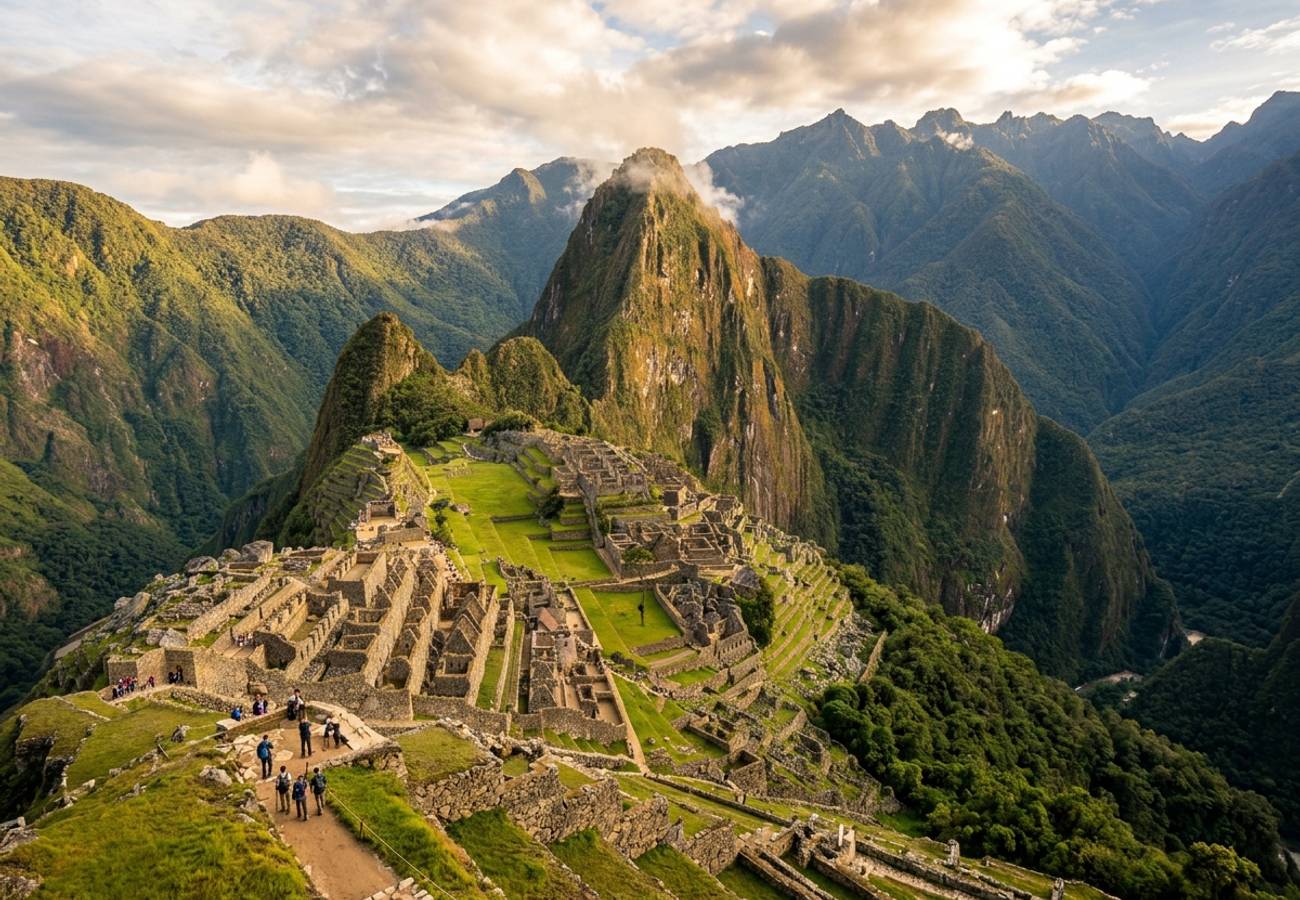
Photo by Nomad Lawyer Travel Desk / Exploring options to reach Machu Picchu by train or trek
Two options get you to the citadel above the Urubamba River: a scenic train ride that takes under four hours, or a multi-day trek through the Andes that takes anywhere from two to seven days on foot. Both end at the same ruins, but the experience of getting there couldn't be more different. Here's how to decide which one fits your trip.
What the Train Route Actually Involves
PeruRail and IncaRail run trains from Ollantaytambo or Poroy (near Cusco) to Aguas Calientes, the town at the base of Machu Picchu. The ride from Ollantaytambo takes about an hour and 40 minutes, while departing from Poroy adds another hour and a half. Large windows, and in some cases glass-domed roofs, give you views of the Sacred Valley and the river canyon as the train climbs toward the mountains.
From Aguas Calientes, a 25-minute bus ride takes you up the switchbacks to the entrance gate. This means someone could leave Cusco in the morning and be standing at Machu Picchu by early afternoon, ruins ticket in hand, without ever putting on hiking boots.
What the Multi-Day Trek Involves
The classic Inca Trail covers roughly 26 miles over four days, passing through cloud forest, alpine passes over 13,000 feet, and a string of Inca ruins that most train travelers never see. Alternatives like the Salkantay Trek, Lares Trek, and Inca Jungle Trail offer similar mileage with different terrain — Salkantay climbs past a glaciated peak, while Lares runs through Quechua-speaking highland communities where locals still herd alpacas and weave textiles by hand.
These treks require permits (especially the Inca Trail, which caps at 500 people per day, including guides and porters), a licensed tour operator, and a level of physical preparation that the train simply doesn't demand. Anyone researching options will find no shortage of the best Machu Picchu trekking tours, many of which include porters to carry gear, cooks who prepare meals at camp, and guides trained in both history and altitude safety.
Cost Comparison: Train vs Trek Expenses
A round-trip train ticket runs between 150 and 600 USD depending on the class of service and season, plus the entrance fee to Machu Picchu, which is separate. A multi-day trek, by contrast, typically costs between 500 and 900 USD for a four-day Inca Trail package, covering permits, meals, camping equipment, and guide fees.
At first glance, the train looks cheaper. But once you add a hotel night in Aguas Calientes (nearly unavoidable given bus and train schedules) and a guided tour of the ruins themselves, the price gap narrows considerably.
Physical Demands and Altitude Preparation
The train requires nothing beyond the ability to sit still and enjoy scenery. The trek is a different story. The Inca Trail's second day, often called Dead Woman's Pass, climbs to 13,828 feet, and altitude sickness is a real risk for anyone arriving from sea level without acclimatizing in Cusco first.
Most operators recommend spending at least two to three days in Cusco (itself at 11,150 feet) before starting any trek, and packing layers for temperature swings that can run from near-freezing nights to warm, humid afternoons. Trekkers should also expect basic camping conditions: sleeping bags, shared tents, and toilets that range from simple to nonexistent.
Which Option Delivers a Better Travel Experience?
This depends entirely on what you're after. The train delivers efficiency and comfort, and it's the only realistic option for travelers with limited time, mobility issues, or a dislike of camping. You'll still walk through the ruins with a guide and see everything the trekkers see once you're inside the site.
The trek offers something the train can't: a physical, day-by-day sense of arrival. Walking through the Sun Gate at dawn on the final morning, with the ruins spread out below as the sun clears the mountains, is a different experience than stepping off a bus. Trekkers also pass smaller archaeological sites — Runkurakay, Sayacmarca, Wiñay Wayna — that most train travelers never see.
Booking Timelines and Permit Bottlenecks to Keep in Mind
The Inca Trail sells out months in advance, particularly for June through August, the dry season and peak tourist months. Booking four to six months ahead is standard for that route, while alternative treks like Salkantay usually have more flexibility since they don't require the same limited permits.
Train tickets can often be booked weeks or even days ahead outside of peak season, though prices climb closer to departure. If travel dates are fixed and not flexible, checking Inca Trail availability first makes sense, since it's the tightest bottleneck in the entire planning process.
Making the Final Call: Efficiency vs Immersion
Base the decision on time, fitness, and what kind of experience matters more: efficiency or immersion. Travelers with a week or less in Peru, or those uninterested in multi-day camping, will find the train serves them well without sacrificing the payoff at the top. Those with more time, a reasonable fitness level, and an interest in the landscape and history along the way will likely find the trek delivers a richer, harder-earned version of the same destination.
FAQ: Train or Trek? Two Ways to Reach Machu Picchu 2026
What is the best time to visit Machu Picchu? Dry season, from May to September, is ideal.
How long does the Inca Trail trek take? Typically 4 days and 3 nights to complete.
Can I take the train to Machu Picchu without trekking? Yes, trains run daily from Cuzco and Aguas Calientes.
Do I need to book tickets in advance? Yes, book tickets and tours well in advance to avoid sold-out situations.
Related Travel Guides
Disclaimer
This article is for informational and educational purposes only. It does not constitute legal, financial, or professional advice. While we strive to provide accurate and up-to-date information, travel policies, regulations, and conditions change rapidly. Always verify information with official sources before making travel decisions. Nomad Lawyer makes no representations about the accuracy, reliability, completeness, or suitability of the information provided. Readers should consult qualified professionals for advice specific to their circumstances. The views expressed in this article are those of the author and do not necessarily reflect the views of Nomad Lawyer.
Kunal K Choudhary
Co-Founder & Contributor
A passionate traveller and tech enthusiast. Kunal contributes to the vision and growth of Nomad Lawyer, bringing fresh perspectives and driving the community forward.
Learn more about our team →