
Townsville Joins Toowoomba, Launceston and 12 Other Unexplored Australian Cities Redefining Travel in 2026
Australia's tourism landscape shifts as 15 lesser-known cities like Townsville, Toowoomba, and Launceston offer indigenous experiences, wildlife encounters, and crowd-free travel in 2026.

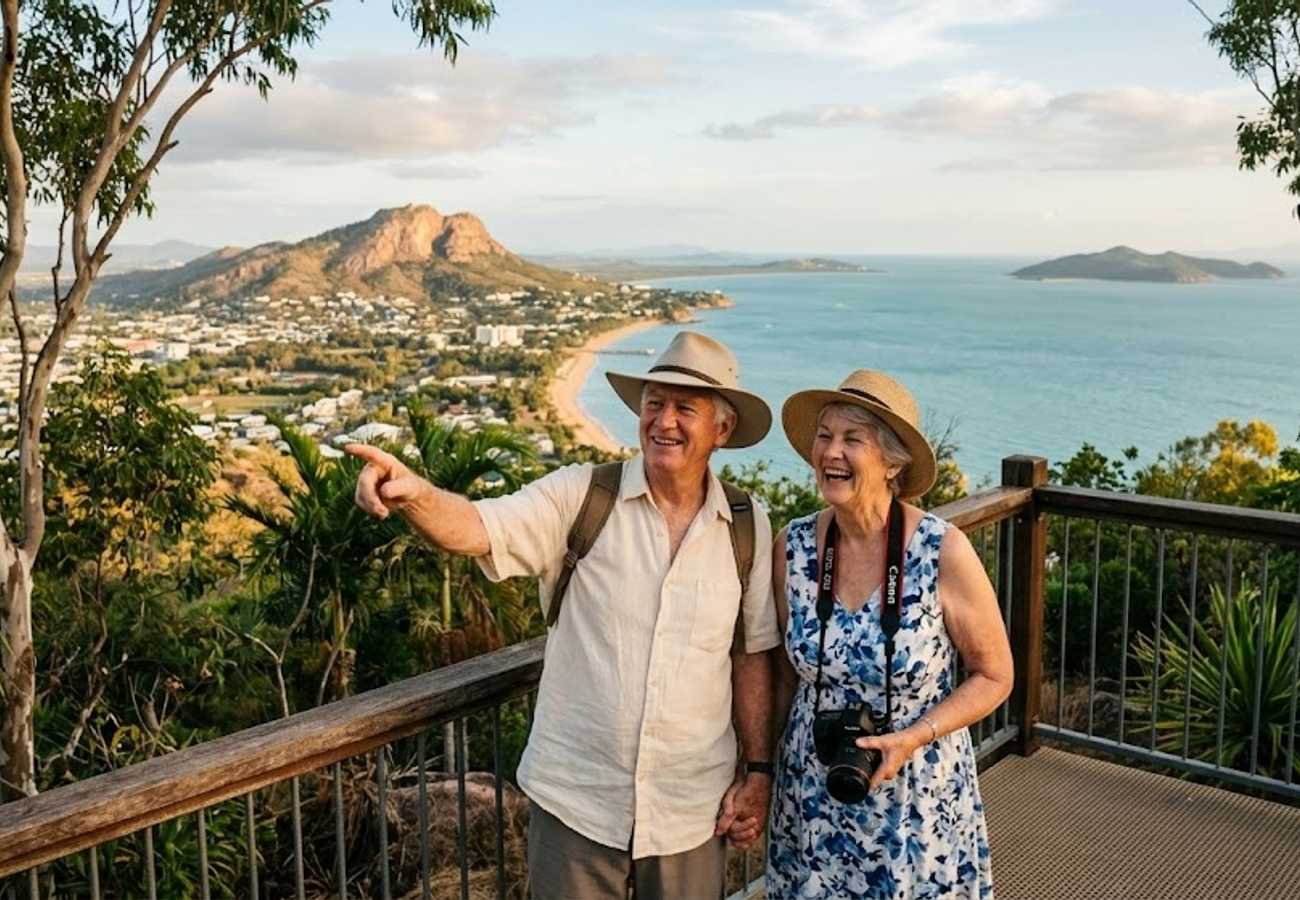
Image generated by AI
Australia's tourism narrative is shifting. Fifteen lesser-known cities—from Townsville to Kalgoorlie—are drawing travellers seeking indigenous culture, wildlife encounters, and lower-density experiences away from traditional hotspots like Sydney and Cairns.
Australia has long been defined by its marquee destinations. Sydney's harbour, Melbourne's laneways, and Cairns' reef gateway have absorbed the lion's share of international attention for decades. But 2026 is telling a different story. A growing cohort of travellers is bypassing the obvious choices, heading instead to regional cities that promise something increasingly rare in global tourism: space, authenticity, and a genuine connection to place.
This shift is not accidental. Several forces are converging—changing traveller priorities, the rise of remote work enabling longer stays, improved regional transport links, and state tourism bodies actively promoting destinations beyond their capitals. The result is a redrawn travel map where cities once treated as stopovers or day trips are becoming primary destinations in their own right.
What Is Driving Travellers to Australia's Regional Cities?
The motivations behind this movement are layered. After years of high-density tourism concentrated around a handful of iconic landmarks, many visitors are actively seeking quieter alternatives. They want to explore ancient Indigenous traditions, encounter unique wildlife, taste regional cuisine, and experience natural environments without queuing behind thousands of others.
Townsville in Queensland illustrates this perfectly. A traveller visiting Townsville can access tropical beaches, island adventures, wildlife habitats, and reef activities—all with notably fewer crowds than Cairns. The city provides direct access to Magnetic Island, where beaches, hiking trails, and marine environments sit within easy reach of the urban centre.
Similarly, Orange in New South Wales is attracting food and wine travellers through farm-to-table dining, cool-climate vineyards, and seasonal produce. It delivers a premium culinary experience while maintaining a relaxed regional atmosphere that larger wine regions struggle to preserve.
The rise of remote and hybrid work has also reshaped travel behaviour. Longer stays are becoming standard, allowing visitors to treat destinations that were previously considered brief stops as full holiday locations. Regional cities benefit from this trend because they offer affordability and a slower pace that supports extended visits.
State tourism organisations are capitalising on this momentum. By promoting areas beyond capital cities, they aim to distribute visitor spending more evenly across regions and encourage travellers to stay longer, spend locally, and engage more deeply with communities.
How Is Townsville Challenging Cairns as Queensland's Next Tropical Escape?
Townsville is emerging as one of Queensland's most compelling alternative destinations. While Cairns remains internationally recognised as the primary gateway to the Great Barrier Reef, Townsville offers a distinctly different experience—fewer crowds, a stronger connection between city life and nature, and a growing tourism investment pipeline that is steadily improving visitor infrastructure.
Located in North Queensland, Townsville provides direct access to Magnetic Island, one of Australia's most scenic island destinations. Travellers can explore beaches, hiking trails, marine environments, and wildlife habitats without the congestion that characterises more heavily visited reef departure points.
The city is also home to Reef HQ Aquarium, which has historically served as an important educational attraction focused on coral reef conservation. Visitors can learn about marine ecosystems before venturing into the surrounding reef regions, adding an interpretive layer to their experience.
Townsville's Castle Hill lookout delivers panoramic views of the city and coastline, while its tropical climate supports outdoor activities throughout much of the year. The city's WWII heritage adds a historical dimension that many tropical destinations lack.
Australia's Hidden Urban Gems: The Complete 2026 Guide
The following table captures 15 lesser-explored Australian cities that are redefining the travel map in 2026. Each offers a distinct combination of cultural depth, natural access, and traveller benefits that set them apart from traditional tourism hubs.
| City | State/Territory | Why It Remains Unexplored | Major Attractions & Experiences | Best Travel Season | Traveller Benefit in 2026 |
|---|---|---|---|---|---|
| Townsville | Queensland | Often overshadowed by Cairns and the Great Barrier Reef gateway reputation | Magnetic Island, Reef HQ Aquarium, Castle Hill lookout, WWII heritage, tropical beaches | May–September | Offers reef, island and wildlife experiences with fewer crowds than Cairns; growing tourism investment is improving visitor infrastructure |
| Toowoomba | Queensland | Usually bypassed by travellers heading between Brisbane and inland Queensland | Japanese Garden, Carnival of Flowers, heritage streets, food trails, nearby national parks | March–October | A quieter cultural escape with gardens, festivals and regional cuisine close to Brisbane |
| Launceston | Tasmania | Tourists often focus only on Hobart and Cradle Mountain | Cataract Gorge, Tamar Valley wineries, historic architecture, food tourism | September–April | Combines city comfort with wilderness access and premium culinary experiences |
| Bendigo | Victoria | Melbourne dominates Victoria's international tourism attention | Gold Rush history, Bendigo Art Gallery, Chinese heritage, wineries | Autumn and spring | Provides history, architecture and cultural tourism without Melbourne crowds |
| Ballarat | Victoria | Commonly treated as a day trip rather than a full destination | Sovereign Hill, museums, heritage buildings, Lake Wendouree | March–May | Ideal for travellers seeking immersive history and family-friendly attractions |
| Albury–Wodonga | New South Wales/Victoria border | Rarely included in international itineraries | Murray River experiences, cycling trails, wineries, outdoor recreation | Spring and autumn | A slow-travel destination connecting two states with nature-based experiences |
| Mildura | Victoria | Remote location keeps international visitor numbers lower | Murray River cruises, wineries, food production, Aboriginal heritage | April–October | Offers river tourism, wine tourism and outdoor relaxation away from major cities |
| Geraldton | Western Australia | Perth and Margaret River receive most international attention | Coral Coast, wildflower regions, Abrolhos Islands, Indigenous experiences | April–October | Acts as a gateway to Western Australia's lesser-known coastal landscapes |
| Kalgoorlie–Boulder | Western Australia | Mining identity often overshadows tourism potential | Super Pit gold mine, Goldfields history, desert landscapes, heritage buildings | April–October | Provides a rare outback city experience combining mining history and adventure travel |
| Alice Springs | Northern Territory | International travellers often choose Uluru directly and skip the city | MacDonnell Ranges, Aboriginal art, desert landscapes, wildlife experiences | May–September | Offers deeper Central Australian cultural connections beyond iconic landmarks |
| Darwin | Northern Territory | Frequently overlooked compared with eastern Australian cities | Kakadu access, Litchfield National Park, Asian food culture, Indigenous tourism | May–September | A tropical capital offering wildlife, culture and adventure in one destination |
| Rockhampton | Queensland | Known mainly as a cattle centre rather than a tourism city | Capricorn Caves, Mount Archer, Great Keppel Island access, heritage precincts | April–October | Affordable gateway to coastal and inland Queensland experiences |
| Wagga Wagga | New South Wales | Rarely appears on international travel lists | Botanic gardens, riverfront, aviation heritage, food and wine | Spring and autumn | Provides authentic regional Australian lifestyle experiences |
| Orange | New South Wales | Sydney travellers often overlook inland NSW | Wine regions, farm-to-table dining, cool climate scenery | Autumn | A premium food and wine destination with fewer crowds |
| Mount Isa | Queensland | Distance and remote location limit visitor numbers | Underground mine tours, outback landscapes, rodeo culture | May–September | Gives travellers a genuine Australian outback experience |
What Makes These Cities Different from Traditional Australian Destinations?
The distinction lies in the combination of tourism categories these cities offer within a single visit. A traveller heading to Launceston can experience Cataract Gorge's wilderness, Tamar Valley's wineries, and historic colonial architecture without driving long distances between attractions. Bendigo delivers Gold Rush history, a major art gallery, Chinese heritage sites, and nearby wineries—all walkable within the city centre.
This density of experience matters. Modern travellers, particularly those on extended stays, value destinations where they can engage with multiple interests without constant transit. Regional Australian cities excel at this because they were never designed around mass tourism. Their attractions emerged organically from local history, geography, and culture.
Indigenous experiences represent another critical differentiator. Cities like Alice Springs, Darwin, Geraldton, and Mildura offer access to Aboriginal art, heritage, and cultural tourism that goes deeper than what is typically available in capital cities. Alice Springs provides connections to Central Australian Aboriginal art traditions, while Darwin serves as a gateway to Kakadu's Indigenous cultural landscapes.
Wildlife encounters also feature prominently. Townsville's Magnetic Island hosts natural wildlife habitats. Rockhampton provides access to Great Keppel Island's marine environments. Darwin connects travellers to the biodiversity of Litchfield National Park. These experiences feel more intimate and less commercialised than those at larger destinations.
The Broader Impact on Australian Tourism
The emergence of these 15 cities signals a structural change in how Australia markets itself to the world. For decades, tourism campaigns concentrated on a handful of iconic images—the Opera House, Uluru, the Great Ocean Road, the Great Barrier Reef. These symbols remain powerful, but they no longer tell the complete story.
State tourism bodies are now investing in promoting regional destinations to spread economic benefits beyond capital cities. This strategy addresses overtourism concerns at major sites while unlocking new revenue streams for communities that have historically missed out on international visitor spending.
For travellers, the benefit is clear. These cities offer affordability, authenticity, and experiences that feel personal rather than packaged. Whether it is a slow-food trail through Orange's vineyards, a river cruise along the Murray from Mildura, or an underground mine tour in Mount Isa, the encounters available in regional Australia are distinct from anything available in the country's traditional tourism hubs.
Key Takeaways
- 15 Australian cities are emerging as primary travel destinations in 2026, offering indigenous experiences, wildlife encounters, and lower-density travel.
- Townsville is positioning itself as a crowd-free alternative to Cairns, with access to Magnetic Island, Reef HQ Aquarium, and Castle Hill lookout.
- Remote work trends are enabling longer stays in regional cities, transforming stopover destinations into full holiday locations.
- State tourism bodies are actively promoting areas beyond capitals to distribute visitor spending more evenly.
- Indigenous cultural experiences in cities like Alice Springs, Darwin, Geraldton, and Mildura provide deeper engagement than typically available at major hubs.
- Food and wine tourism is driving interest in Orange, Launceston, and Toowoomba, where farm-to-table dining and cool-climate vineyards offer premium experiences without crowds.
FAQ
Why are travellers choosing lesser-known Australian cities over Sydney and Melbourne in 2026? Travellers are seeking authenticity, affordability, space, and deeper cultural connections. Regional cities offer multiple tourism categories—wildlife, indigenous culture, food and wine, history—within a single destination, without the congestion of major hubs.
Is Townsville a good alternative to Cairns for Great Barrier Reef access? Yes. Townsville provides access to reef experiences, Magnetic Island, and marine education through Reef HQ Aquarium, with notably fewer crowds than Cairns. Growing tourism investment is also improving visitor infrastructure.
Which Australian regional cities are best for Indigenous cultural experiences? Alice Springs, Darwin, Geraldton, and Mildura stand out for Aboriginal art, heritage, and cultural tourism. Alice Springs offers Central Australian Aboriginal art traditions, while Darwin serves as a gateway to Kakadu's Indigenous landscapes.
What is the best time to visit these regional Australian cities? It varies by destination. Townsville, Alice Springs, Darwin, and Mount Isa are best from May to September. Launceston shines from September to April. Orange is ideal in autumn. Check the table above for specific seasonal recommendations.
Are these regional cities suitable for long stays and remote work? Yes. Many of these destinations offer affordability, relaxed pacing, and improving connectivity, making them well-suited for extended visits and remote work arrangements.
Australia's next great travel story is not being written at its famous landmarks—it is unfolding in the cities most travellers have never heard of.
Related Travel Guides
Disclaimer
This article is for informational and educational purposes only. It does not constitute legal, financial, or professional advice. While we strive to provide accurate and up-to-date information, travel policies, regulations, and conditions change rapidly. Always verify information with official sources before making travel decisions. Nomad Lawyer makes no representations about the accuracy, reliability, completeness, or suitability of the information provided. Readers should consult qualified professionals for advice specific to their circumstances. The views expressed in this article are those of the author and do not necessarily reflect the views of Nomad Lawyer.
Raushan Kumar
Founder & Lead Developer
Full-stack developer with 11+ years of experience and a passionate traveller. Raushan built Nomad Lawyer from the ground up with a vision to create the best travel and law experience on the web.
Learn more about our team →