
Tourism New Zealand Expands Asian Travel Partnerships Through Kiwi Link Trade Events
Tourism New Zealand hosts Kiwi Link events in India and Southeast Asia to drive year-round visitor arrivals and support recovery targets.

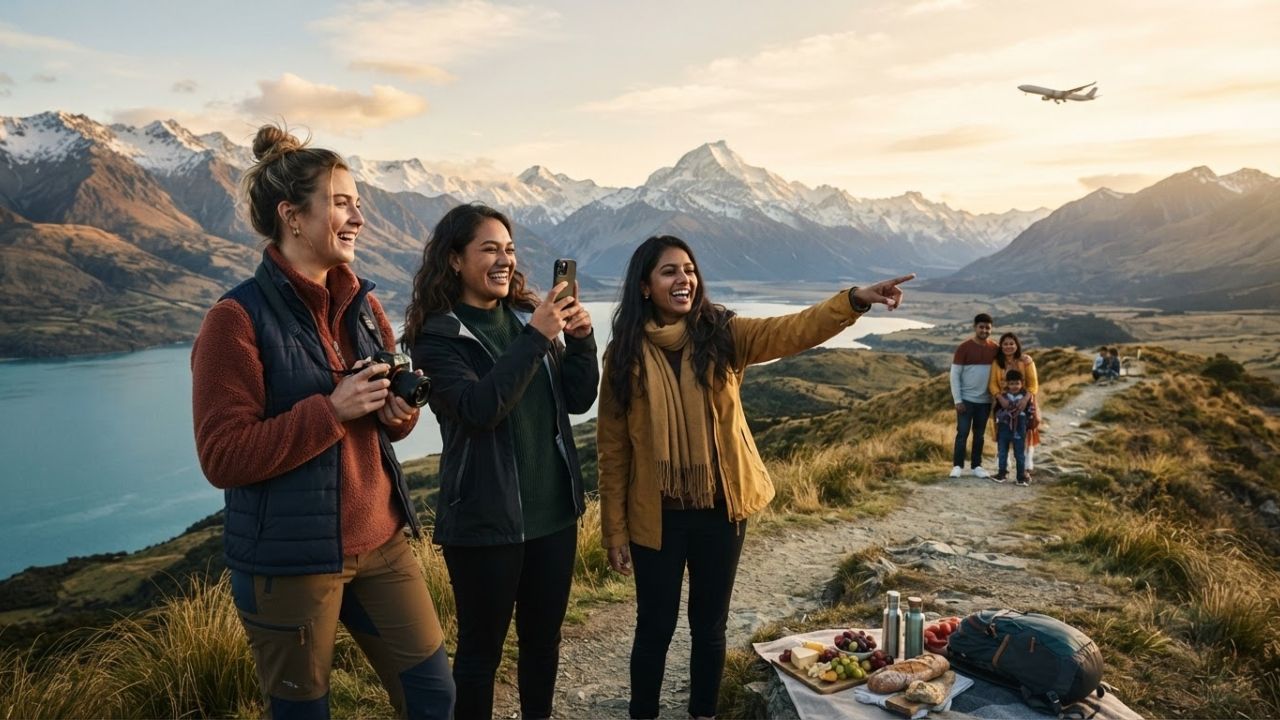
Image generated by AI
Tourism New Zealand is expanding its presence in high-potential Asian travel markets through its latest Kiwi Link trade events in Goa and Bangkok. Driven by an 83,000-visitor wave from India and year-round travel interest from Southeast Asia, the initiative supports New Zealand's target of reaching 3.9 million arrivals by the end of 2026.
A significant shift is taking place in New Zealand's international visitor strategy, prioritizing long-term trade relations in emerging Asian economies. By establishing direct commercial channels with overseas travel buyers, the national tourism office aims to stimulate off-peak travel, increase average visitor length of stay, and distribute the economic benefits of tourism throughout the year.
This coordinated engagement represents a move away from simple destination marketing toward structured trade partnerships. For the visitor, the impact is a more integrated travel experience, supported by direct aviation connectivity and streamlined visa processing.
The Local Trend Revealed
In July 2026, Tourism New Zealand organized two major trade expos to connect local operators directly with international travel agents and operators. The first event, Kiwi Link India, was held in Goa, bringing together 49 organizations from New Zealand alongside 75 travel buyers from across India. Coordinated with representatives from Air New Zealand and Immigration New Zealand, the event established a platform to manage flight capacity and visa requirements.
India represents a major growth market for the country's travel sector. In the year ending May 2026, visitor arrivals from India reached 83,000, representing a 2.5 percent increase over 2025 and reaching 125 percent of pre-pandemic 2019 arrival levels. According to research from the tourism board, working directly with local travel agents is essential, as 96 percent of Indian travelers prefer booking their New Zealand holidays through professional travel advisors. Holiday travel accounts for 33 percent of all Indian arrivals, with visitors showing a willingness to travel during off-peak seasons.
Following the Goa event, the second expo, Kiwi Link Southeast Asia, was hosted in Bangkok, Thailand. The two-day event gathered 46 travel buyers from Singapore, Thailand, Malaysia, and Indonesia to meet with 46 New Zealand suppliers. Tourism New Zealand Chief Executive René de Monchy highlighted that these Southeast Asian countries offer significant potential to distribute visitor arrivals evenly across the year. By increasing off-peak travel, destination planners can support local communities and build a more resilient tourism model.
These efforts support New Zealand's broader tourism recovery targets. The national board has established a goal of reaching 3.9 million visitor arrivals by the end of 2026 and increasing total tourism value to $14.4 billion by June 2027.
Cultural & Environmental Value (Information Gain & Experience)
For the visitor, the real value of New Zealand's travel strategy is the promotion of the Tiaki Promise—a national commitment to care for the country's people, place, and culture. Rather than encouraging rapid transit through high-traffic tourist sites, the new trade strategy highlights slower travel paths that support regional economies and conservation initiatives.
By encouraging arrivals during autumn and spring, destination managers help stabilize employment for local tourism operators, preventing seasonal layoffs. Visitors are encouraged to explore regional communities, stay at eco-certified lodges, and participate in community-led conservation activities, such as native tree-planting and wildlife protection. This approach ensures that tourism revenues contribute directly to local conservation and community projects.
Visitor Insider Tips
To help you plan a respectful and rewarding journey through New Zealand, local travel advisors suggest the following strategies:
- Biosecurity Regulations: New Zealand has strict biosecurity rules to protect its unique ecosystems. You must declare all food, seeds, plant materials, and dirty outdoor gear upon arrival to avoid immediate fines of $400 NZD. Ensure your hiking boots are completely clean before passing through customs.
- Campervan & Road Etiquette: If renting a campervan, remember that vehicles drive on the left side of the road. Utilize the pull-over bays to let faster traffic pass, and strictly follow the "Freedom Camping" rules, staying only in designated holiday parks or Department of Conservation (DOC) campsites.
- Local Culinary Specialties:
- Try pasture-raised, grass-fed New Zealand lamb served with fresh mint glaze.
- Sample raw Manuka honey, known for its antibacterial properties, sourced from local beekeepers.
- Order a scoop of Hokey Pokey ice cream (creamy vanilla with honeycomb pieces) from a local dairy.
- Off-Peak Visit Windows: Travel during the transitional autumn months of March to May or spring months of September to November. You will experience fewer crowds at iconic locations like Milford Sound, enjoy lower accommodation rates, and see spectacular seasonal foliage or spring blooms.
- Under-the-Radar Spots: Skip the crowded trails and head to the Catlins coastline on the South Island to see wild fur seals, sea lions, and dramatic waterfalls, or explore the geothermal terraces of Orakei Korako near Taupo.
Tourism Outlook
The focus on expanding partnerships in India and Southeast Asia is shaping the future of New Zealand's travel sector. As direct flight connectivity from major transit hubs like Singapore and Kuala Lumpur continues to improve, the accessibility of the country will remain high.
In the coming years, the success of the tourism sector will depend on balancing volume growth with environmental stewardship. By working closely with international travel advisors and prioritizing off-peak travel, New Zealand demonstrates how a destination can build a resilient, high-value visitor economy that protects its natural heritage for future generations.
Internal Connection
Disclaimer
This article is for informational and educational purposes only. It does not constitute legal, financial, or professional advice. While we strive to provide accurate and up-to-date information, travel policies, regulations, and conditions change rapidly. Always verify information with official sources before making travel decisions. Nomad Lawyer makes no representations about the accuracy, reliability, completeness, or suitability of the information provided. Readers should consult qualified professionals for advice specific to their circumstances. The views expressed in this article are those of the author and do not necessarily reflect the views of Nomad Lawyer.
Kunal K Choudhary
Co-Founder & Contributor
A passionate traveller and tech enthusiast. Kunal contributes to the vision and growth of Nomad Lawyer, bringing fresh perspectives and driving the community forward.
Learn more about our team →