
United Airlines' $499 Business Class Upgrade Emerges as Priciest in US Market for 2026
Breaking airline news and aviation industry updates for 2026.

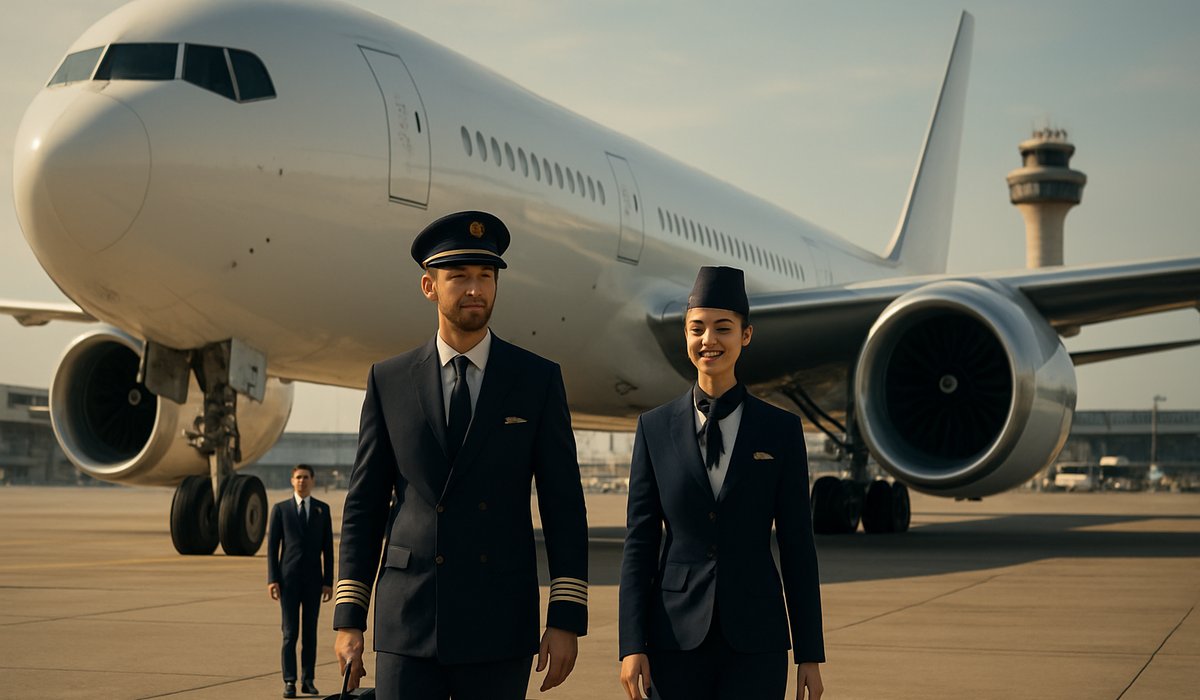
Image generated by AI
United Airlines' $499 Business Class Upgrade Emerges as Priciest in US Market for 2026
Carrier's premium Polaris Studio surcharge pushes transcontinental fares beyond $6,500, signaling industry shift toward tiered cabin monetization
The Premium Pricing Landscape Intensifies
United Airlines has introduced what industry analysts are identifying as the costliest business-class upgrade available across major U.S. carriers heading into 2026. The carrier's newly structured Polaris Studio enhancement carries a substantial per-segment surcharge of $499, layered atop already-premium base fares that routinely exceed $6,000 on marquee international routes.
The strategic pricing underscores a broader transformation sweeping through American aviation's premium cabin segment, where carriers are increasingly fragmenting traditional business-class products into multiple monetized tiers rather than maintaining distinct first-class cabins. For passengers booking ultra-long-haul routes—such as San Francisco to Singapore—the cumulative ticket price can now breach $6,500, reflecting aggressive revenue management strategies amid fluctuating jet fuel prices and competitive international market pressures.
A Calculated Strategic Shift
This pricing architecture represents United's deliberate recalibration of its premium product hierarchy. Rather than sustaining separate first and business class configurations, the carrier has opted to introduce Polaris Studio as an elevated tier within its single premium cabin, effectively creating a "business class plus" category that commands premium surcharges comparable to historical first-class pricing models.
The $499 per-segment charge applies exclusively to passengers selecting the enhanced Polaris Studio experience, meaning round-trip transcontinental flights could incur nearly $1,000 in additional upgrade fees alone. When combined with volatile jet fuel surcharges that have pressured airline pricing since geopolitical instability affected global energy markets, such premium fares reflect the broader structural cost challenges facing the aviation sector.
Broader Industry Implications
The move signals how legacy carriers are adapting yield management strategies in an increasingly competitive environment. As budget-conscious competitors expand premium economy offerings and international carriers invest heavily in next-generation business-class products, traditional U.S. airlines are pursuing aggressive ancillary revenue streams to offset operational pressures.
This pricing evolution directly impacts business travelers and premium leisure passengers, who face steeper out-of-pocket costs even before accounting for additional baggage charges and ancillary airline fees that have become standard across the industry. The trend reflects airlines' continued reliance on premium cabin revenue to offset thin economy-class margins—a dynamic that has intensified since pandemic recovery disrupted traditional pricing models.
For 2026, industry observers anticipate competing carriers may introduce comparable premium tier surcharges, potentially establishing $500 per-segment business-class upgrades as market standard for transcontinental and ultra-long-haul services.
Frequently Asked Questions
What is the Polaris Studio upgrade, and how much does it cost? Polaris Studio is United Airlines' premium enhancement within its business-class cabin, priced at $499 per flight segment, added to base fares that frequently exceed $6,000 on international routes.
How do these upgrade charges compare to other U.S. airlines' business-class pricing? The $499 per-segment charge represents the upper threshold of business-class surcharges in the U.S. market, reflecting United's aggressive premium cabin monetization strategy relative to competitors.
Why are airlines implementing tiered business-class products instead of traditional first class? This shift reflects modern yield management practices, allowing carriers to maximize revenue from premium passengers while maintaining operational flexibility and reducing aircraft configuration complexity.
How do jet fuel prices influence business-class ticket costs? Volatile fuel surcharges directly impact base fares across all cabin classes; when energy markets destabilize, airlines pass increased costs to premium passengers first, where demand remains relatively inelastic.
What other airline fees should premium passengers anticipate in 2026? Beyond upgrade surcharges, expect baggage charges, seat selection fees, meal enhancements, and ancillary services to remain standard across premium cabin offerings industry-wide.
Related Travel Guides
Flight Delay Compensation Guide 2026
Understanding Airline Route Changes
Airport Security Process Updated (2026)
External Resources
Disclaimer
This article is for informational and educational purposes only. It does not constitute legal, financial, or professional advice. While we strive to provide accurate and up-to-date information, travel policies, regulations, and conditions change rapidly. Always verify information with official sources before making travel decisions. Nomad Lawyer makes no representations about the accuracy, reliability, completeness, or suitability of the information provided. Readers should consult qualified professionals for advice specific to their circumstances. The views expressed in this article are those of the author and do not necessarily reflect the views of Nomad Lawyer.
Preeti Gunjan
Contributor & Community Manager
A passionate traveller and community builder. Preeti helps grow the Nomad Lawyer community, fostering engagement and bringing the reader experience to life.
Learn more about our team →