
The Society Names Sandy Lu Design Director to Drive Next Phase of Hospitality Design
The Society Names Sandy Lu Design Director to Drive Next Phase of Hospitality Design

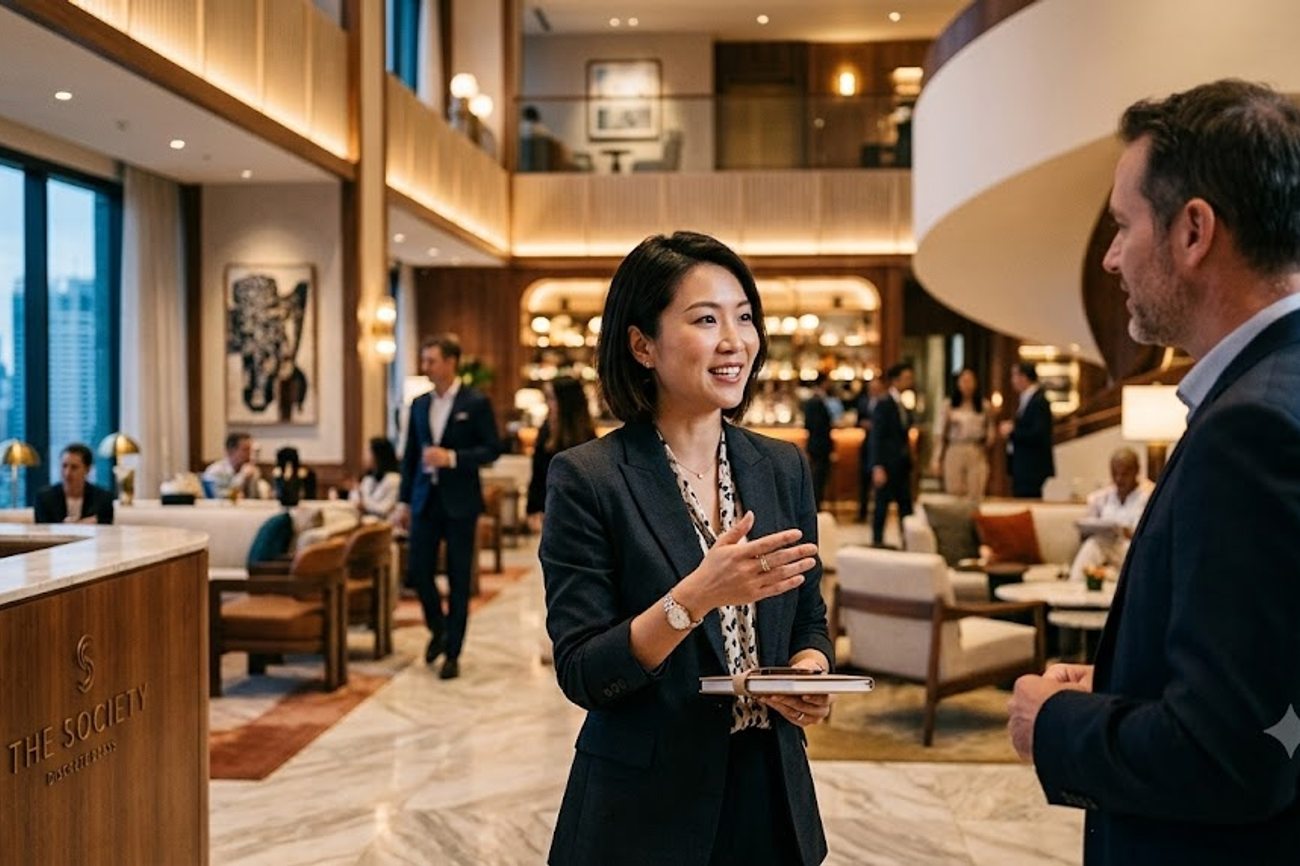
Image generated by AI
[Portland, October 2023] — The Society, a Portland-based hospitality design collective, has appointed Sandy Lu as its new Design Director to spearhead a strategic expansion into high-tier lifestyle projects and branded residences.
The appointment comes as the interiors-led firm marks its tenth anniversary, signaling a transition from its foundational decade toward a more aggressive growth phase. Lu, a veteran with over 20 years of specialized experience in North American hospitality interiors, will now oversee the studio's creative vision, mentor its internal design staff, and manage critical relationships with hotel operators and ownership groups.
The Strategic Shift in Leadership
The move to bring Lu on board is a calculated effort by The Society to scale its operational capacity and creative reach. Lu joins the firm following a ten-year tenure as Hospitality Design Director at CHIL Interior Design. Her professional trajectory began in Vancouver, British Columbia, and included a significant period at Wimberly Interiors in Los Angeles, providing her with a comprehensive understanding of the diverse regulatory and aesthetic demands of the North American market.
Lu's mandate at The Society extends beyond mere aesthetics. She is tasked with integrating the studio's creative output with the commercial and operational realities of hotel management. Having previously worked with global hospitality giants such as Marriott International (specifically the Autograph Collection) and Accor (via the Le Méridien brand), Lu brings a proven track record of balancing high-concept design with the rigorous brand standards required by international hotel chains.
Markets and Portfolios Impacted
The appointment of Lu triggers an immediate shift in the types of projects The Society will pursue. The firm is moving away from standard hospitality interiors toward more complex, integrated luxury environments.
The following sectors will see the most direct impact of Lu's leadership:
- Higher-Tier Lifestyle Hotels: A pivot toward luxury boutique properties that require a distinct, non-generic identity to compete in the high-end market.
- Branded Residences: The expansion into the residential sector, specifically luxury condos and villas that carry the branding and service standards of a hotel.
- Food and Beverage (F&B) Concepts: A renewed focus on standalone and integrated restaurant and bar designs that serve as primary revenue drivers for hospitality assets.
- Boutique Resorts: Leveraging narrative-led design to create immersive destination experiences.
What This Means for Travelers
While a change in design leadership happens behind the scenes, the tangible impact for the end traveler is a shift in the "guest journey." The Society is moving toward a "story-driven" design philosophy. In plain language, this means travelers will encounter fewer "cookie-cutter" hotel rooms and more spaces where the architecture, furniture, and lighting all tell a specific story about the location or the brand.
For those booking stays at future The Society projects, this means:
- Increased Cohesion: Instead of a lobby that feels disconnected from the guest rooms, the "narrative" approach ensures a seamless aesthetic experience from the front door to the bedside table.
- Unique Identity: A stronger emphasis on "lifestyle" design means properties will likely feature more unexpected details and bold architectural choices intended to make the hotel a destination in its own right.
- Integrated Luxury: The move into branded residences means travelers may find more options for long-term luxury stays that offer the amenities of a five-star hotel with the privacy of a home.
The Narrative-Led Design Roadmap
The core of Lu’s strategy is the implementation of a strict storytelling methodology. Rather than selecting furniture or color palettes based on current trends, Lu establishes a central narrative at the project's inception. This story then dictates every subsequent design decision, ensuring that the final interior is a cohesive expression of a single idea.
This approach is particularly critical for the boutique and lifestyle sectors, where the physical environment is a primary component of the brand's value proposition. By treating the interior as a narrative, The Society aims to create spaces that influence how guests perceive the hospitality experience, moving the interior from a passive backdrop to an active participant in the guest's stay.
Internally, Lu is restructuring the studio's culture to be more collaborative. By mentoring the current design team, she is ensuring that this narrative-led approach is standardized across all project levels, not just those handled by senior leadership. This internal growth is designed to support a larger volume of complex projects without sacrificing the boutique quality for which the firm is known.
FAQ: Hospitality Design Trends 2023
What is "narrative-led" design in hotels? It is a process where a specific story or concept is decided before any design begins. Every element—from the lobby flooring to the room lighting—is chosen specifically to reinforce that story, creating a cohesive guest experience.
How do branded residences differ from standard luxury condos? Branded residences are developed in partnership with a hotel brand. They offer the design aesthetic and service levels (such as concierge and housekeeping) of a luxury hotel but are owned privately by the resident.
Why is the "lifestyle" hotel category growing? Modern travelers increasingly prioritize unique, Instagrammable, and culturally relevant experiences over standardized luxury. Lifestyle hotels focus on bold design and social spaces to attract this demographic.
What role does F&B design play in hotel success? Food and beverage outlets are often the "face" of a hotel. High-quality, distinctively designed restaurants and bars attract local residents, not just hotel guests, increasing the property's overall profitability.
The intersection of narrative storytelling and commercial hospitality marks the new era of the guest experience.
#TheSocietyDesign #SandyLu #PortlandDesign #HospitalityInteriors2023 #BoutiqueHotelDesign #BrandedResidences
Related Travel Guides
Disclaimer
This article is for informational and educational purposes only. It does not constitute legal, financial, or professional advice. While we strive to provide accurate and up-to-date information, travel policies, regulations, and conditions change rapidly. Always verify information with official sources before making travel decisions. Nomad Lawyer makes no representations about the accuracy, reliability, completeness, or suitability of the information provided. Readers should consult qualified professionals for advice specific to their circumstances. The views expressed in this article are those of the author and do not necessarily reflect the views of Nomad Lawyer.
Naina Thakur
Contributor & Travel Specialist
Travel enthusiast and legal writer covering visa regulations, responsible tourism, and cultural journeys across global destinations.
Learn more about our team →