
NATO Leaders' Presidential Aircraft: A Comparative Analysis of Elite State Transport Fleets
Breaking airline news and aviation industry updates for 2026.

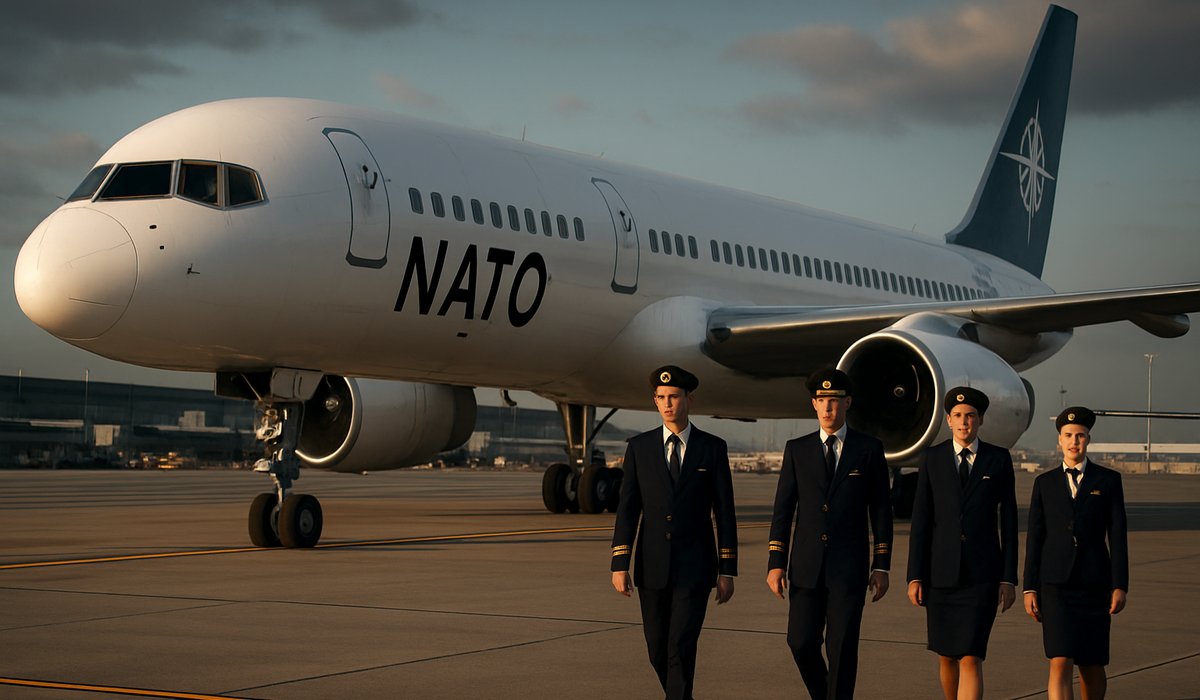
Image generated by AI
NATO Leaders' Presidential Aircraft: A Comparative Analysis of Elite State Transport Fleets
Inside the aviation arsenals protecting the alliance's most powerful figures
The Strategic Importance of Presidential Aircraft in NATO Operations
As NATO expands to 32 member states, the aircraft carrying the alliance's top political figures have become symbols of national power and operational capability. Beyond their ceremonial significance, these heavily customized jets serve critical functions in international diplomacy, crisis response, and emergency evacuation. This examination of presidential transport aircraft from six major NATO powers—the United States, Germany, the United Kingdom, France, Canada, and Turkey—reveals how nations balance security, capability, and diplomatic messaging through their choice of executive aviation.
Understanding Presidential Transport Across NATO
The term "presidential aircraft" encompasses the specialized jets used by a nation's highest-ranking leaders, whether presidents, prime ministers, monarchs, or chancellors. These aircraft are far more than luxury conveyances; they function as flying command centers equipped with advanced communications systems, enhanced security protocols, and extended-range capabilities that allow leaders to maintain operational control during international crises and diplomatic missions.
Military-Grade Aviation: The NATO Standard
Each of the six nations examined has invested significantly in maintaining world-class presidential fleets. The United States, as NATO's dominant military power, operates some of the most advanced aircraft in service globally. Germany, the United Kingdom, France, Canada, and Turkey similarly maintain sophisticated transport aircraft tailored to their specific diplomatic and security requirements.
These aircraft reflect each nation's industrial capabilities, budgetary priorities, and geopolitical positioning within the alliance. The specifications, range, and technological systems vary considerably, revealing different strategic philosophies regarding how leaders should travel internationally and respond to emergencies.
The Broader Context: Aviation Technology and National Identity
Presidential aircraft rankings also illustrate the aerospace industry's hierarchy within NATO. Nations with advanced aerospace sectors often field more capable platforms, while others may rely on international partnerships or purchases to maintain competitive fleets. These decisions carry implications for defense spending, industrial strategy, and diplomatic relationships within the alliance.
Frequently Asked Questions
What is the primary purpose of NATO presidential aircraft? Presidential aircraft serve multiple functions: secure transportation for heads of state, mobile command centers during crises, diplomatic platforms for international travel, and symbols of national military capability.
How do NATO nations differ in their presidential aircraft choices? Selection varies based on national aerospace capabilities, budget constraints, operational range requirements, and diplomatic priorities, resulting in diverse fleet compositions across the alliance.
Why do some NATO countries invest heavily in presidential aircraft? These aircraft are critical for national security, allowing leaders to maintain communications during emergencies and respond rapidly to international developments without commercial aviation vulnerabilities.
Which NATO nations operate the most advanced presidential fleets? The United States maintains the most technologically sophisticated fleet, while France, Germany, and the United Kingdom operate highly capable alternatives reflecting their own aerospace industries.
How do presidential aircraft impact NATO's operational effectiveness? Reliable, secure transport for political leadership ensures the alliance can maintain unified decision-making during crises and coordinate responses across member states efficiently.
Related Travel Guides
External Resources
Disclaimer
This article is for informational and educational purposes only. It does not constitute legal, financial, or professional advice. While we strive to provide accurate and up-to-date information, travel policies, regulations, and conditions change rapidly. Always verify information with official sources before making travel decisions. Nomad Lawyer makes no representations about the accuracy, reliability, completeness, or suitability of the information provided. Readers should consult qualified professionals for advice specific to their circumstances. The views expressed in this article are those of the author and do not necessarily reflect the views of Nomad Lawyer.
Preeti Gunjan
Contributor & Community Manager
A passionate traveller and community builder. Preeti helps grow the Nomad Lawyer community, fostering engagement and bringing the reader experience to life.
Learn more about our team →