
Historic Pacific Outpost Reactivated as US Military Shifts Strategy Amid Ukraine Conflict Vulnerabilities
Breaking airline news and aviation industry updates for 2026.

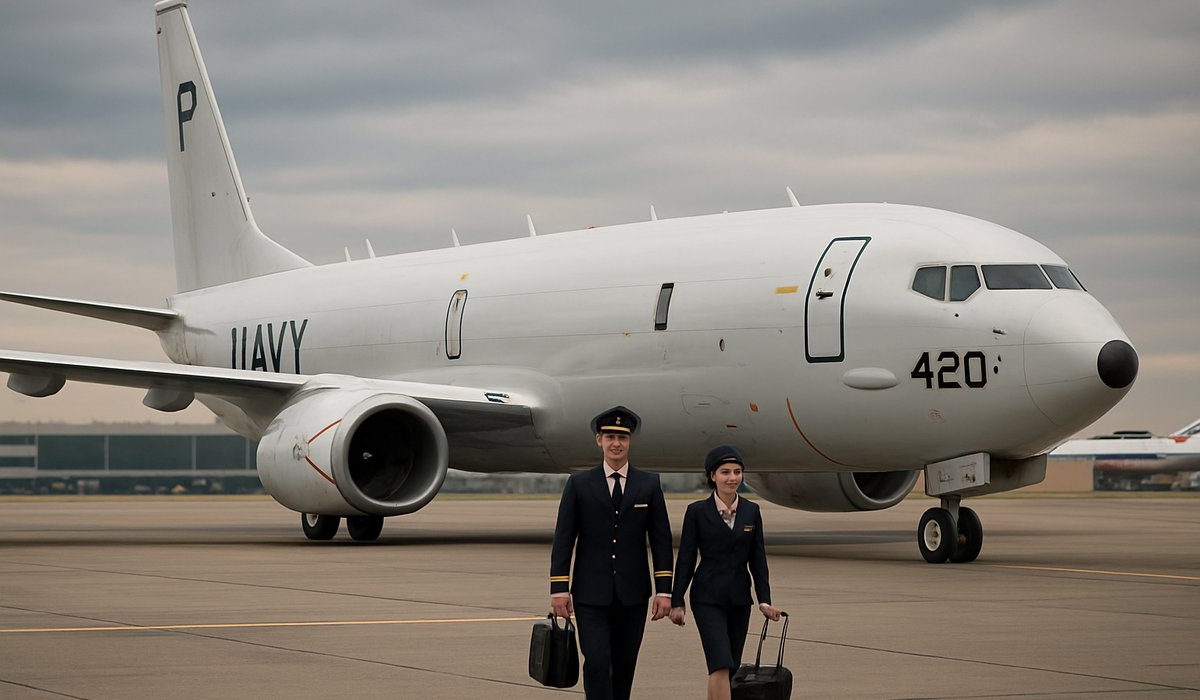
Image generated by AI
Historic Pacific Outpost Reactivated as US Military Shifts Strategy Amid Ukraine Conflict Vulnerabilities
Decades-dormant island base returns to operational status as Pentagon rethinks large, fixed military installations
Strategic Reassessment Drives Naval Revival
The United States Navy has reactivated a historically significant Pacific island facility that fell silent following World War II, marking a dramatic pivot in military infrastructure strategy. The decision reflects growing concerns within the Pentagon about the vulnerability of large, permanently-stationed military bases—concerns starkly illustrated by the Ukraine conflict, where conventional weapons, advanced cruise missiles, and low-cost drone systems have repeatedly demonstrated the risks of centralized defense installations.
The reactivated outpost represents Washington's evolving approach to forward deployment and regional deterrence in the Indo-Pacific region, moving away from the traditional model of massive, easily-targetable bases toward a more distributed operational footprint.
Lessons from Ukraine Reshape Military Planning
Since Russia's invasion of Ukraine, military strategists worldwide have grappled with a fundamental problem: large, static bases present clearly defined targets. Ukrainian military successes against concentrated Russian positions have underscored this vulnerability, particularly as weaponry becomes increasingly accessible and affordable. Drones manufactured at minimal cost—such as the Shahed series—have proven capable of degrading expensive military infrastructure with devastating efficiency.
The Pentagon's reassessment reflects this new operational reality. While large bases historically served as symbols of regional influence and staging grounds for substantial combat operations, their strategic value must now be weighed against their exposure to long-range missiles, conventional ordnance, and autonomous systems that cost fractions of what they destroy.
Distributed Defense Model Gains Traction
The reactivation signals a shift toward smaller, dispersed installations that reduce risk while maintaining strategic presence. This approach mirrors broader NATO and Indo-Pacific Strategy adjustments, where flexibility and survivability increasingly outweigh the psychological reassurance of massive centralized facilities.
Military analysts note that distributed basing complicates targeting decisions for adversaries while allowing rapid repositioning of assets—a capability deemed essential in high-threat environments where detection often precedes strikes.
Regional Implications
The island base's return to service carries particular significance for Pacific security dynamics, potentially affecting strategic calculations in contested regions and reinforcing US commitment to regional partners concerned about potential threats.
FAQ: Military Base Strategy and Defense Modernization
Why are large military bases becoming obsolete? Modern weapons systems—cruise missiles, drones, and precision-guided munitions—can strike fixed locations from hundreds of miles away, making centralized bases easier to target and harder to defend.
How does the Ukraine conflict relate to US military base strategy? The war demonstrated that concentrated military installations are vulnerable to conventional attacks and inexpensive drone systems, prompting Pentagon officials to reconsider permanent, large-scale base infrastructure.
What advantages do distributed bases offer? Smaller, dispersed facilities reduce risk, complicate targeting, enable rapid asset repositioning, and maintain strategic presence with lower vulnerability exposure.
Which regions are most affected by this strategic shift? The Indo-Pacific region, where China's military modernization and potential Taiwan contingencies have driven renewed focus on flexible, survivable infrastructure.
How will this affect military readiness? Properly implemented distribution strategies can enhance readiness by improving survivability and response flexibility, though logistics and coordination become more complex.
Related Travel Guides
-
596 Flight Delays and 88 Cancellations Across Asia: Major Airlines Struggle as Thousands Stranded
-
Flynas Restarts Limited Riyadh–Dubai Flights Amid Gulf Disruptions
External Resources
Disclaimer
This article is for informational and educational purposes only. It does not constitute legal, financial, or professional advice. While we strive to provide accurate and up-to-date information, travel policies, regulations, and conditions change rapidly. Always verify information with official sources before making travel decisions. Nomad Lawyer makes no representations about the accuracy, reliability, completeness, or suitability of the information provided. Readers should consult qualified professionals for advice specific to their circumstances. The views expressed in this article are those of the author and do not necessarily reflect the views of Nomad Lawyer.
Kunal K Choudhary
Co-Founder & Contributor
A passionate traveller and tech enthusiast. Kunal contributes to the vision and growth of Nomad Lawyer, bringing fresh perspectives and driving the community forward.
Learn more about our team →