
The Gentlemen Screen Tourism Boom: How High-Society Backdrops in England and Italy Drive Regional Travel Economics

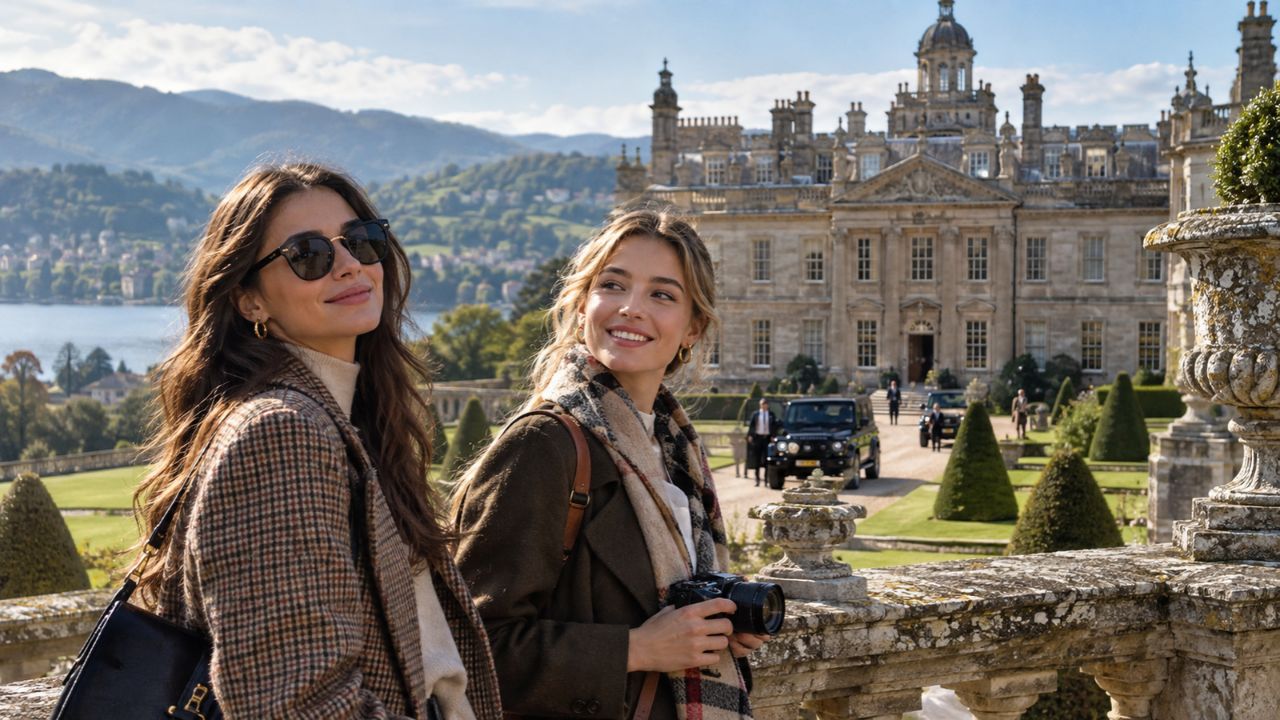
Image generated by AI
Catalyzed by a global entertainment footprint that has converted millions of streaming viewers into high-spending set-jetters, commercial inquiries for historic country estates across Gloucestershire, Wiltshire, and northern Italy have surged following the international release of Guy Ritchie’s television series The Gentlemen. This cross-border travel phenomenon illustrates how contemporary prestige television alters luxury tourism distribution, diverting affluent international travelers away from congested capital gateways and into decentralized rural regions previously sustained almost entirely by traditional agriculture and seasonal domestic excursions.
The shift marks an evolution in consumer travel behavior. Rather than accepting passive visual consumption, modern audiences increasingly seek immersive, on-the-ground access to the architectural settings where their favorite narratives unfold. The cinematic fusion of aristocratic heritage, high-stakes crime, and tailored British tailoring depicted in The Gentlemen has transformed private country manors, historic ecclesiastical structures, and Mediterranean lakeside villas into high-priority coordinates for international travelers. By tracing the physical coordinates of the fictional Horniman empire, cultural travelers and architecture enthusiasts are generating measurable revenue injections for independent boutique hotels, specialty transport operators, and heritage preservation trusts across England and Italy.
The English Estate Circuit: Aristocratic Heritage as a Regional Growth Driver in Gloucestershire and Wiltshire
The structural foundation of the series relies on the monumental domestic architecture found within England's West Country. In Gloucestershire, Badminton House serves as the primary real-world anchor for Halstead Manor, the fictional ancestral seat central to the storyline. A Grade I-listed architectural masterpiece recognized by Historic England, Badminton House is the private family seat of the Duke and Duchess of Beaufort. Its vast grounds, Palladian facades, and storied sporting pedigree provide the authentic aristocratic weight required by the narrative. Because the estate remains a private working residence rather than a commercial theme park, the surge in public curiosity has translated into record inquiries for scheduled garden open days, private estate tours, and luxury country lodging throughout the surrounding Cotswold villages.
Neighboring Wiltshire provides an equally compelling series of locations that have ignited regional tourism demand. Ashcombe House, a secluded Georgian country estate, was selected to frame elaborate outdoor sequences and private hunting scenes, projecting an image of timeless English country leisure to global viewers. Further south, the medieval grandeur of Salisbury Cathedral provides one of the series’ most visually arresting set pieces during high-tension dialogues between Eddie Horniman and rival crime boss Stanley Johnston. Boasting Britain’s tallest church spire at 123 meters and housing the best-preserved original copy of the 1215 Magna Carta, the cathedral has experienced a noticeable uptick in international visitors directly referencing its cinematic appearances. Combined with flight-enthusiast traffic into Compton Abbas Airfield—an operational grass airstrip featured in regional transit sequences—Wiltshire has successfully leveraged screen visibility to support local hospitality businesses, as cataloged by VisitBritain.
| Filming Location & Jurisdiction | Architectural / Geographic Site | On-Screen Production Role | Visitor Accessibility & Logistics |
|---|---|---|---|
| Gloucestershire, England | Badminton House | Halstead Manor exterior facades and entrance halls | Private family estate; limited access via designated open garden dates |
| Wiltshire, England | Salisbury Cathedral | Atmospheric meetings between Eddie Horniman and Stanley Johnston | Daily public access; home to 1215 Magna Carta and Britain's tallest spire |
| Wiltshire, England | Ashcombe House & Compton Abbas Airfield | Rural sporting estates and vintage private aviation hubs | Private residential grounds; public flight-training and dining at airfield |
| Piedmont, Italy | Villa Rusconi-Clerici (Pallanza, Verbania) | Neoclassical lakeside palazzo with terraced gardens | Private event venue and garden tours overlooking Lake Maggiore |
| Piedmont, Italy | Grand Hotel Majestic & Chiesa di San Leonardo | Continental luxury hospitality and historical texture | Fully operational Belle Époque luxury resort and public parish church |
Transalpine Set-Jetting: Lake Maggiore, Belle Époque Architecture, and Italian Hospitality Yields
When the series expands beyond the British countryside into continental Europe, the production shifts to the sub-Alpine waters of Lake Maggiore in northern Italy’s Piedmont region. Situated along the Swiss frontier, Lake Maggiore provides an immediate visual contrast, trading moody English parklands for sun-drenched neoclassical villas, palm-fringed promenades, and deep blue glacial waters. The focal point of this continental arc is Villa Rusconi-Clerici, an opulent nineteenth-century residence located in the Pallanza district of Verbania. With English-style gardens cascading down toward the lakeshore, the villa was transformed by film crews who erected a bespoke wooden jetty to facilitate dramatic arrivals aboard classic polished-mahogany Riva motorboats.
The resulting screen exposure has triggered substantial tourism momentum across Piedmont. Tourism authorities registered under the Agenzia Nazionale del Turismo (ENIT) report an influx of high-net-worth inquiries seeking private water-taxi charters, historic villa buyouts, and customized set-jetting itineraries. Beyond Villa Rusconi-Clerici, the production showcases the Belle Époque elegance of the Grand Hotel Majestic and the Romanesque-Gothic masonry of the Chiesa di San Leonardo. By highlighting the refined leisure infrastructure of Lake Maggiore alongside traditional English sporting culture, the production demonstrates how contemporary television distribution can reactivate historic resort corridors, positioning them as essential destinations for affluent global travelers seeking architectural sophistication.
Expert Analysis: The Economics of Screen Tourism and Rural Hospitality Capacity
For travelers booking this route, the direct consequence is that independent access to private aristocratic estates remains heavily restricted, requiring travelers to coordinate visits around rare public open days or book high-end private heritage tour operators. Unlike purpose-built studio tours, locations like Badminton House and Ashcombe House are active, private family residences where operational security and privacy take precedence over tourist footfall. Consequently, independent travelers must build their itineraries around publicly accessible regional touchpoints—such as Salisbury Cathedral, public footpaths crossing historical parklands, and airfield viewing terraces—or partner with specialized concierges who possess exclusive access agreements.
The pricing pressure this creates means boutique accommodations throughout the Cotswolds and the Piedmontese lakeside corridors can maintain peak-season room rates well into the autumn shoulder season. Rural hotels, heritage inns, and private chauffeur fleets that historically relied on narrow summer operational windows are now seeing sustained bookings from international set-jetters. For municipal tourism boards, the challenge lies in balancing this lucrative economic influx with preservation mandates: absorbing thousands of film enthusiasts into fragile medieval cathedral closes and narrow country lanes requires proactive crowd management to ensure that cinematic popularity does not erode the very historical authenticity that attracted global audiences in the first place.
Key Takeaways
- Guy Ritchie’s Netflix series The Gentlemen has sparked a significant screen tourism boom across Gloucestershire, Wiltshire, and northern Italy's Lake Maggiore.
- Badminton House in Gloucestershire represents the primary exterior and entrance setting for the fictional Halstead Manor, ancestral home of the Horniman family.
- Wiltshire’s tourism economy benefits from prominent screen appearances by Salisbury Cathedral—home to Britain’s tallest spire and the Magna Carta—as well as Ashcombe House and Compton Abbas Airfield.
- In Italy's Piedmont region, Lake Maggiore’s Villa Rusconi-Clerici, the Grand Hotel Majestic, and the Chiesa di San Leonardo showcase classic Riva motorboats and neoclassical luxury.
- The surge in set-jetting travelers has expanded shoulder-season revenue for regional boutique hotels, private charter operators, and local hospitality providers across both countries.
FAQ: The Gentlemen Filming Locations and Travel Logistics 2026
Can tourists visit Halstead Manor in real life?
Halstead Manor is portrayed by Badminton House in Gloucestershire. Because it is the private residence of the Duke and Duchess of Beaufort, internal access is restricted, though visitors can access designated estate open days, equestrian trials, and surrounding public rights of way.
What parts of Salisbury Cathedral were used in the production?
The cathedral's historic interior cloisters and grounds served as the dramatic meeting place for dialogue sequences between lead characters Eddie Horniman and Stanley Johnston, highlighting its famous fourteenth-century architecture and 123-meter spire.
Where were the Italian scenes in The Gentlemen filmed?
International scenes were filmed around Lake Maggiore in Verbania, Piedmont, primarily featuring the historic Villa Rusconi-Clerici in Pallanza, along with the Belle Époque Grand Hotel Majestic and the Chiesa di San Leonardo.
How has screen tourism impacted regional businesses in these areas?
Local tourism agencies in Wiltshire, Gloucestershire, and Piedmont report increased bookings for boutique hotels, guided walking tours, private boat charters, and dining establishments, extending tourism revenue well beyond the traditional summer season.
By bridging aristocratic British heritage with Mediterranean glamour, Guy Ritchie’s production demonstrates how cinematic storytelling can permanently reshape international travel routes and breathe vibrant commercial life into historic rural estates.
Disclaimer
This article is for informational and educational purposes only. It does not constitute legal, financial, or professional advice. While we strive to provide accurate and up-to-date information, travel policies, regulations, and conditions change rapidly. Always verify information with official sources before making travel decisions. Nomad Lawyer makes no representations about the accuracy, reliability, completeness, or suitability of the information provided. Readers should consult qualified professionals for advice specific to their circumstances. The views expressed in this article are those of the author and do not necessarily reflect the views of Nomad Lawyer.
Preeti Gunjan
Contributor & Community Manager
A passionate traveller and community builder. Preeti helps grow the Nomad Lawyer community, fostering engagement and bringing the reader experience to life.
Learn more about our team →