
Thailand Pivot to Heritage Hotels: Driving High-Value Cultural Tourism in Asia 2026
Thailand is aggressively transitioning from mass tourism to a high-value, experience-driven model by leveraging heritage hotels to attract culturally conscious global travelers.

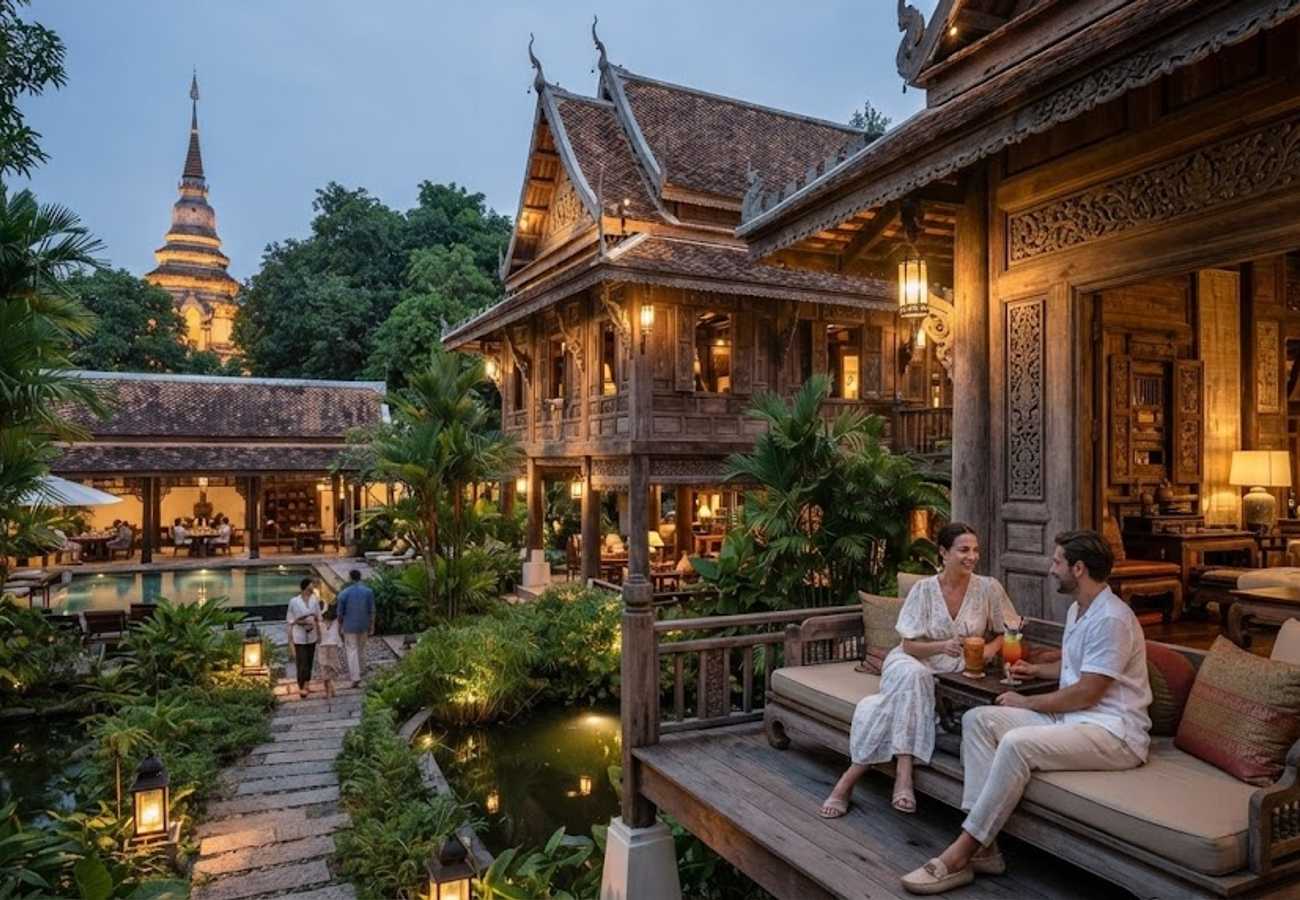
Image generated by AI
Thailand is abandoning the "quantity over quality" tourism model in favor of high-value, experiential stays. By integrating historic architecture and local traditions into the luxury hotel sector, the kingdom is positioning itself as a primary hub for authentic cultural immersion in Asia.
The global travel paradigm is shifting. Modern travelers no longer seek mere comfort or convenient locations; they demand emotional connections and a tangible sense of place. This evolution has placed Heritage Hotels at the center of Thailand's new tourism strategy, moving away from the era of mass tourism toward a model defined by authenticity and storytelling.
While global data rarely categorizes heritage hotels as a standalone sector, current research indicates that authenticity and local engagement are now the primary drivers of travel decisions. In Asia, where diverse cultural landscapes abound, the integration of preserved buildings and ancient neighborhoods into the hospitality experience is becoming a critical competitive advantage.
Strategic Pivot Toward Quality-Driven Tourism
Thailand's approach to tourism is undergoing a fundamental restructuring. The goal is to increase the overall value of each visitor rather than simply increasing the number of arrivals. This strategy emphasizes longer stays, sustainable growth, and the distribution of economic benefits to regional communities.
The scale of the industry remains massive, providing a strong foundation for this transition. In 2024, Thailand recorded 35.5 million international tourists and 131.6 million domestic overnight visitors. By leveraging these numbers, the country is now focusing on "meaningful experiences" that move beyond short-term sightseeing.
Regional Hubs of Cultural Immersion
The success of the heritage hotel model relies on the distinct identities of Thailand's various regions:
- Ayutthaya and Sukhothai: These cities serve as living links to Thailand’s ancient kingdoms, offering a backdrop of imperial history.
- Chiang Mai: The northern capital emphasizes traditional Lanna architecture, local craftsmanship, and indigenous festivals.
- Bangkok: The metropolis is blending modern urbanism with the preservation of historic communities, offering a contrast between the futuristic and the ancestral.
These destinations allow guests to connect their stay with broader cultural assets, including religious heritage, traditional cuisine, and local artistry, creating a comprehensive ecosystem that attracts high-spending travelers.
The Asian Competitive Landscape
Thailand is not operating in a vacuum. It faces stiff competition from other Asian powerhouses that have already mastered the blend of heritage and hospitality.
Japan has set the gold standard by integrating traditional ryokans and historic districts into a seamless modern tourism machine. China utilizes its vast imperial resources and ancient cities to draw cultural tourists, while Singapore demonstrates how heritage can be successfully embedded within a hyper-modern city-state. Malaysia also remains a strong competitor through its internationally recognized multicultural architecture and conservation efforts.
Thailand’s edge lies in its "living traditions"—the warmth of its people and the accessibility of its community-based experiences, which offer a more intimate scale of interaction than the massive imperial sites of its neighbors.
Tourism Development Metrics and Impact
The shift toward heritage-focused hospitality is backed by specific development goals aimed at stabilizing the tourism economy.
| Category | Verified Development | Tourism Relevance |
|---|---|---|
| Thailand Tourism Direction | Shift toward quality-focused and value-driven development | Supports premium and experience-based travel |
| International Recovery | 35.5 million international visitors (2024) | Confirms continued importance of tourism economy |
| Domestic Strength | 131.6 million domestic overnight visitors (2024) | Supports regional destination development |
| Cultural Opportunity | Heritage and local experiences as key assets | Creates opportunities for heritage-focused stays |
Economic Spillovers and Preservation Challenges
The rise of heritage hotels generates a "multiplier effect" for local economies. When a historic property becomes a destination, spending extends beyond the hotel room to local restaurants, transport providers, and artisanal handicraft markets. This helps decongest primary tourist hubs and funnels wealth into secondary provinces.
However, this growth presents a delicate balancing act. Converting historic structures into luxury hotels requires significant investment to meet modern safety and accessibility standards without erasing the building's original character. The challenge for Thailand is ensuring that commercial viability does not come at the cost of cultural erosion.
Factors Accelerating Heritage Tourism Growth
Several key drivers are pushing the industry toward this model:
- Authenticity Demand: A global surge in travelers seeking "real" experiences over curated tourist traps.
- Sustainable Focus: A move toward community-based tourism that preserves the environment and local culture.
- Identity-Driven Travel: The increasing importance of a destination's unique identity in the decision-making process.
- Regional Competition: The need to differentiate Thailand's offering from other luxury destinations in Asia.
Thailand is no longer just a destination for beaches and shopping; it is becoming a curated museum of living history.
Related Travel Guides
Disclaimer
This article is for informational and educational purposes only. It does not constitute legal, financial, or professional advice. While we strive to provide accurate and up-to-date information, travel policies, regulations, and conditions change rapidly. Always verify information with official sources before making travel decisions. Nomad Lawyer makes no representations about the accuracy, reliability, completeness, or suitability of the information provided. Readers should consult qualified professionals for advice specific to their circumstances. The views expressed in this article are those of the author and do not necessarily reflect the views of Nomad Lawyer.
Kunal K Choudhary
Co-Founder & Contributor
A passionate traveller and tech enthusiast. Kunal contributes to the vision and growth of Nomad Lawyer, bringing fresh perspectives and driving the community forward.
Learn more about our team →