
Thailand, Japan, and Portugal Lead Global 2026 Rankings for Most Tourist-Friendly Destinations and Hospitality
Thailand, Japan, and Portugal are emerging as the most tourist-friendly countries in 2026, prioritizing seamless infrastructure, cultural authenticity, and high hospitality standards to attract millions of international visitors.

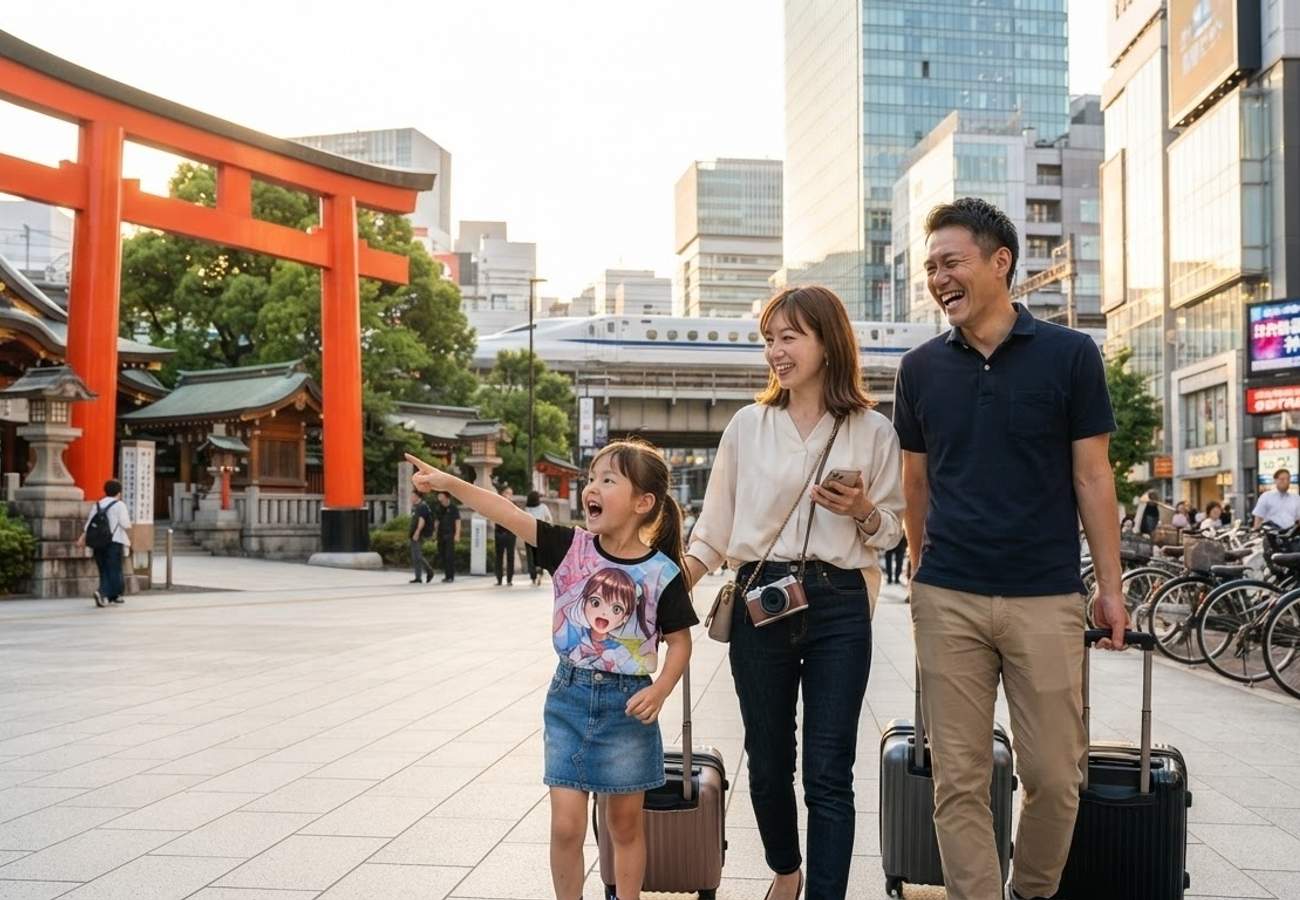
Image generated by AI
[Bangkok, July 15, 2026] — Global tourism in 2026 is being redefined by a shift toward "visitor-centricity," where the quality of hospitality and ease of movement outweigh the mere presence of iconic landmarks. Recent industry data indicates that nations integrating high-tech infrastructure with traditional warmth, such as Thailand, Japan, and Portugal, are currently dominating the rankings of the world's most tourist-friendly destinations.
As international travel volumes continue to stabilize and grow, the modern traveler is prioritizing safety, digital accessibility, and authentic community engagement. This evolution in consumer behavior has forced destinations to move beyond basic sightseeing, focusing instead on creating comprehensive ecosystems that encourage longer stays and repeat visitation.
Core Drivers of Global Tourism Competitiveness
The current landscape of international travel is shaped by specific pillars of accessibility and comfort. Industry observers note that the most successful nations in 2026 are those that have optimized the intersection of digital services and human connection.
Travelers are currently prioritizing several key factors when selecting their next destination:
- Efficient and integrated transportation networks.
- Welcoming and inclusive local communities.
- High standards of public safety and security.
- Seamless digital travel services and e-visas.
- Genuine, non-commercialized cultural experiences.
- Verifiable sustainable tourism practices.
The following table outlines the critical factors currently influencing global traveler decision-making:
| Key Factor | Impact on Traveler Experience |
|---|---|
| Hospitality | Drives memorable and emotional visitor connections |
| Safety | Establishes the baseline confidence for international travel |
| Infrastructure | Reduces friction and simplifies complex journeys |
| Cultural experiences | Facilitates authentic engagement with local identities |
| Accessibility | Lowers barriers for international arrivals |
| Sustainability | Ensures the long-term viability of the destination |
Thailand Maintains Dominance Through Cultural Warmth
Thailand continues to be a primary global leader in tourism friendliness, leveraging its reputation for legendary hospitality and cost-effective luxury. The nation's ability to blend traditional service culture with modern infrastructure has kept it at the forefront of the Asian travel market.
Major hubs including Bangkok, Phuket, Chiang Mai, Krabi, and Koh Samui continue to process millions of international arrivals annually. Reports from Thai tourism authorities suggest that the government is doubling down on sustainability initiatives and enhanced connectivity to maintain this growth.
| Thailand Tourism Strength | Primary Visitor Appeal |
|---|---|
| Hospitality | Deeply embedded service culture and friendly locals |
| Nature | Diverse ecosystems, from tropical islands to national parks |
| Culture | Rich heritage seen in temples, festivals, and traditions |
| Food | Globally acclaimed street food and culinary arts |
European Powerhouses: Portugal and Greece Lead in Hospitality
In Europe, Portugal has emerged as a significant hospitality powerhouse. The nation is currently seeing a surge in popularity due to its blend of urban exploration in Lisbon and Porto, and luxury coastal retreats in the Algarve and Madeira. Industry sources indicate that Portugal's heavy investment in sustainable tourism has made it a top choice for the "responsible traveler" demographic.
Similarly, Greece remains a staple of Mediterranean hospitality. The Greek travel model focuses on the deep connection between local culture and visitor welcoming. High-traffic areas such as Athens, Santorini, Mykonos, Crete, and Rhodes continue to attract a mix of premium luxury seekers and cultural historians.
Japan's Integration of Tradition and Technical Precision
Japan is frequently cited as providing one of the world's smoothest travel experiences. This is attributed to the Japanese philosophy of thoughtful service, combined with a rigorous commitment to cleanliness and punctuality.
Following the total removal of pandemic-era restrictions, Japan has seen inbound arrivals reach historic highs. The contrast between the neon-lit streets of Tokyo and Osaka and the traditional shrines of Kyoto and the wilderness of Hokkaido and Okinawa provides a diverse portfolio that appeals to all traveler types.
| Japan Tourism Feature | Global Attraction Level |
|---|---|
| Transport | World-leading reliability of rail networks |
| Culture | Seamless blend of ancient heritage and modern life |
| Food | High-standard, world-famous gastronomic experiences |
| Safety | One of the most secure travel environments globally |
North American and Oceanic Perspectives on Friendliness
Canada has solidified its position as a welcoming destination by emphasizing multiculturalism and safety. From the urban centers of Toronto, Vancouver, and Montreal to the rugged landscapes of Banff and Jasper, Canada focuses on inclusive travel environments and Indigenous cultural heritage.
In the Southern Hemisphere, New Zealand and Australia are utilizing their natural assets to drive tourism. New Zealand's appeal is rooted in Māori cultural experiences and adventure tourism in Queenstown and Fiordland. Australia, meanwhile, leverages a relaxed social culture and world-class attractions like the Great Barrier Reef and Sydney Harbour, while implementing new strategies to protect its natural biodiversity.
Premium European Travel in Switzerland and Austria
For high-end travelers, Switzerland and Austria remain the gold standard for safety and infrastructure. These nations attract visitors through a combination of luxury Alpine resorts, wellness tourism, and meticulously maintained historic cities.
| Country | Primary Tourism Attraction |
|---|---|
| Switzerland | High-end luxury travel, lakes, and mountain landscapes |
| Austria | Cultural tourism and heritage-rich imperial cities |
Emerging Markets Expanding Their Global Footprint
Beyond the traditional leaders, several other nations are rapidly expanding their appeal by refining their visitor experience. These countries are proving that a strong destination identity, when paired with visitor comfort, leads to rapid growth.
| Country | Primary Tourism Strength |
|---|---|
| Vietnam | Heritage landscapes and culinary appeal |
| Costa Rica | Global leader in eco-tourism and nature preservation |
| Morocco | Vibrant markets and desert exploration |
| Türkiye | Intersection of ancient history and coastal luxury |
| Singapore | Extreme efficiency, safety, and urban innovation |
Why This Matters: The Shift Toward "Experience Equity"
The 2026 data reveals a fundamental shift in the aviation and travel industry: the move from "destination marketing" to "experience management." It is no longer enough for a country to have a famous beach or a historic monument. The "Information Gain" here is the realization that infrastructure is now a form of hospitality.
When Japan optimizes its rail system or Thailand streamlines its digital entry processes, they are not just improving logistics; they are reducing the psychological stress of travel. This reduction in friction is what modern travelers define as "friendliness." As the United Nations World Tourism Organization reports a strong recovery toward pre-pandemic levels, the competitive edge will belong to nations that treat the entire journey—from the visa application to the hotel checkout—as a single, cohesive hospitality product.
The global travel map is being redrawn not by borders, but by the quality of the welcome.
Related Travel Guides
Disclaimer
This article is for informational and educational purposes only. It does not constitute legal, financial, or professional advice. While we strive to provide accurate and up-to-date information, travel policies, regulations, and conditions change rapidly. Always verify information with official sources before making travel decisions. Nomad Lawyer makes no representations about the accuracy, reliability, completeness, or suitability of the information provided. Readers should consult qualified professionals for advice specific to their circumstances. The views expressed in this article are those of the author and do not necessarily reflect the views of Nomad Lawyer.
Preeti Gunjan
Contributor & Community Manager
A passionate traveller and community builder. Preeti helps grow the Nomad Lawyer community, fostering engagement and bringing the reader experience to life.
Learn more about our team →