
Thailand Cuts Visa-Free Stays for 90+ Countries in Crime Crackdown
Thailand drastically reduces visa-free entry periods for over 90 nations effective 2026. The policy shift targets foreign-linked criminal activities including drug trafficking and illegal operations affecting the kingdom.

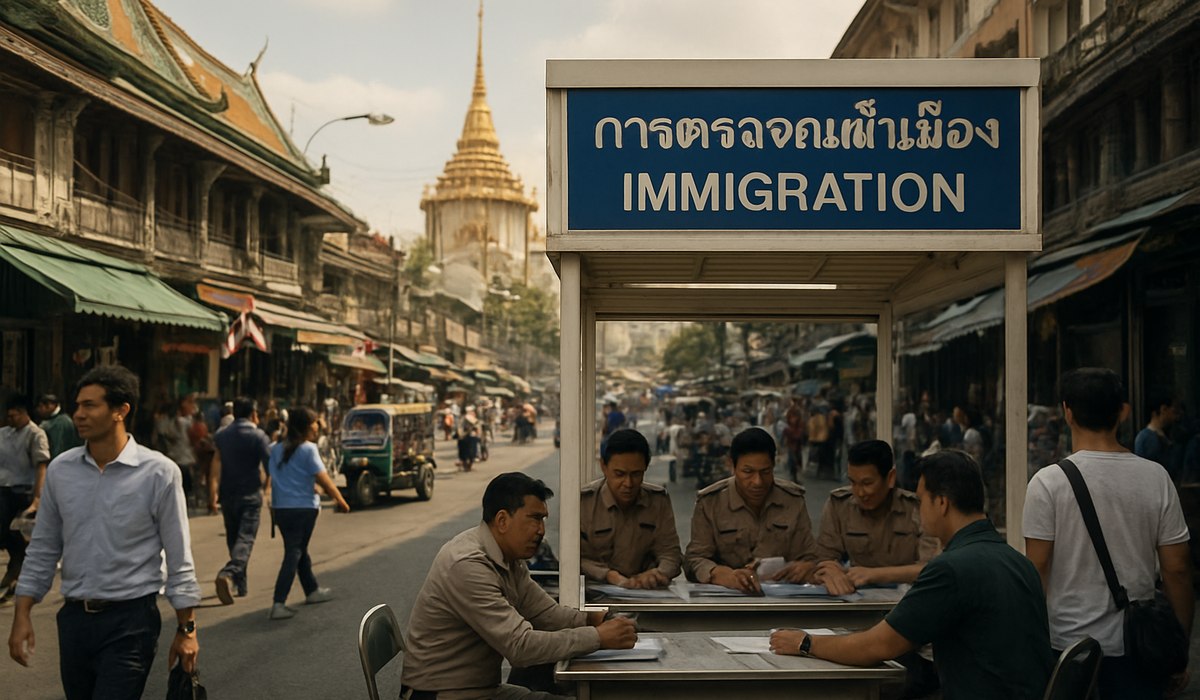
Image generated by AI
Thailand Implements Historic Visa-Free Restrictions Across 90+ Nations
Thailand is implementing unprecedented cuts to visa-free entry periods for visitors from over 90 countries, effective immediately in 2026. The Royal Thai Government announced this sweeping policy shift to address escalating foreign-linked criminal operations within its borders. The decision prioritizes public security over tourism convenience, marking a significant departure from Thailand's historically welcoming stance toward international travelers.
High-profile arrests in recent months exposed sophisticated networks involving foreign nationals engaged in drug trafficking, money laundering, and unlicensed business operations. Thai authorities determined that extending reduced visa-free access would strengthen border security protocols and create better surveillance mechanisms for law enforcement agencies.
Which Countries Are Affected by Thailand's New Visa Restrictions
Thailand's revised immigration policy impacts nationals from approximately 93 countries across Europe, North America, Latin America, Oceania, and parts of Asia. The restrictions apply to citizens holding passports from nations historically granted 30, 45, or 60-day visa-free entry privileges.
Affected regions include European Union member states, United Kingdom passport holders, United States citizens, Canadian nationals, and Australian and New Zealand residents. Several other developed nations with substantial tourist populations also face reductions. Thailand maintains reciprocal agreements with select countries, though these arrangements are under ongoing review.
The Thai Ministry of Foreign Affairs published a comprehensive list on its official immigration portal, detailing each nationality's adjusted entry duration. Travelers should verify their specific country's status before booking flights. Some Southeast Asian nations received exemptions or reduced penalties based on regional cooperation agreements.
How Much Are Visa-Free Stays Being Reduced
Thailand is cutting visa-free stay durations across multiple tiers. Citizens previously eligible for 60-day visa-free periods now receive 30-day entry allowances. Those granted 45-day stays see reductions to 15 days. Travelers with 30-day privileges face further limitations depending on their passport nation.
The reductions vary by nationality, immigration risk assessment, and bilateral diplomatic relations. First-time visitors may face stricter limitations than returning residents. Extensions and long-term visit arrangements require formal visa applications processed through Thai embassies and consulates.
Entry through different ports may yield different outcomes. Land border crossings sometimes impose stricter duration limitations than international airports. Airlines cannot override immigration officer decisions regarding stay permits, so travelers must comply with officer determinations upon arrival.
What Criminal Issues Prompted This Policy Change
Foreign nationals engaged in organized narcotics trafficking prompted Thailand's decisive action. Coordinated investigations uncovered sophisticated drug distribution networks operating across Bangkok, Pattaya, and northern provinces. Criminal syndicates exploited visa-free loopholes to establish temporary operational bases.
Beyond narcotics, authorities identified illegal business schemes targeting vulnerable Thai residents and tourists. Ponzi schemes, romance fraud networks, and unauthorized financial operations traced directly to foreign criminal enterprises. Cybercriminals using Thailand as a base coordinated international scams affecting millions globally.
Wildlife trafficking and counterfeit document operations similarly involved organized foreign participation. Illegal labor recruitment schemes trafficked vulnerable individuals through poorly regulated channels. These convergent criminal pressures convinced Thai leadership that restrictive entry policies were necessary for national security and economic protection.
Recent high-profile arrests of foreign gang members strengthened political support for stricter measures. Public sentiment favored aggressive immigration enforcement after media coverage exposed crimes affecting both tourists and residents. Parliamentary consensus emerged around implementing tougher border controls despite potential tourism revenue impacts.
Impact on Thailand's Tourism Industry and Economy
Thailand's tourism sector faces significant headwinds from these restrictions. International visitor arrivals contribute approximately 12% of national GDP and employ millions in hospitality, transportation, and retail sectors. Shortened visa-free stays could reduce average trip duration and overall spending per visitor.
Major tourism operators report booking cancellations, particularly from European and North American markets. Hotel chains, tour companies, and restaurants dependent on foreign tourism anticipate revenue declines during peak seasons. The Thai Tourism Authority projects potential 8-15% decreases in foreign visitor numbers throughout 2026.
Economic modeling suggests these losses could exceed $2-3 billion in foregone tourism revenue. Smaller regional towns dependent primarily on international tourism face disproportionate impacts. Employment in peripheral hospitality sectors may decline significantly.
However, government officials argue that enhanced security justifies temporary economic sacrifices. Reducing crime-related costs and improving Thailand's international reputation may generate long-term economic benefits. Stricter immigration practices could paradoxically enhance tourism quality by reducing criminal-related incidents affecting visitor safety and experiences.
Airlines operating routes to Thai destinations already report diminished booking activity. IATA Travel Centre data indicates changing travel patterns across Southeast Asian destinations as travelers reassess itineraries.
Key Data: Thailand's Visa Restrictions Overview
| Aspect | Details |
|---|---|
| Countries Affected | 90+ nations across all continents |
| Previous 60-Day Maximum | Reduced to 30 days |
| Previous 45-Day Maximum | Reduced to 15 days |
| Previous 30-Day Maximum | Varies; further restricted |
| Implementation Date | May 2026 |
| Policy Justification | Foreign-linked drug trafficking, financial fraud, cybercrime |
| Exceptions | Limited reciprocal agreements; diplomatic negotiations ongoing |
| Visa Application Option | Available through Thai embassies and consulates worldwide |
| Extension Possibility | Requires formal application within Thailand |
| Enforcement Points | Airports, land borders, maritime entry points |
What This Means for Travelers
Thailand's new restrictions require immediate adjustment of travel planning strategies for international visitors:
-
Verify your nationality's status immediately through official Thai immigration channels before purchasing tickets or booking accommodations spanning beyond allocated visa-free days.
-
Apply for formal tourist visas in advance if you anticipate stays exceeding revised duration limits. Processing typically requires 5-10 business days through Thai diplomatic missions.
-
Plan shorter itineraries or split trips across multiple visits if extended stays were previously anticipated, potentially visiting neighboring countries during interim periods.
-
Register with your embassy before departure, enabling consular support if immigration complications arise upon arrival.
-
Purchase comprehensive travel insurance that covers trip cancellations and emergency legal assistance, protecting against unexpected policy changes or complications.
-
Arrive with documented accommodation confirmations and return flight bookings, demonstrating compliant travel intent and financial capacity to immigration officers.
Frequently Asked Questions About Thailand's Visa Changes
Q: Can I still visit Thailand visa-free in 2026? A: Yes, citizens from approximately 93 countries retain visa-free entry privileges, though durations are significantly reduced. Verify your nationality on official Thai immigration sites before travel to confirm eligibility and revised stay limits.
Q: How do I extend my visa beyond the reduced visa-free period? A: Visit Thai immigration offices within 15 days of arrival to apply for extensions. Present completed TM.7 forms, payment, and supporting documentation. Extension approval is discretionary and not guaranteed, requiring strong justification from immigration officers.
Q: Will my reduced visa-free days apply upon arrival or before? A: The reduced durations apply to all new arrivals from implementation date onward. Immigration officers at border control determine final stay allowance based on your passport and national risk assessments, regardless of previously granted periods.
Q: Are business visas and tourist visas affected equally? A: Tourist visa-free entry faces the greatest reductions. Business visas, employment permits, and long-term stay categories operated through formal visa applications remain largely unaffected, though processing scrutiny has intensified across all visa categories.
Related Travel Guides
- Alaska Airlines Charts Global Expansion: New Chief People Officer Lindsay McIntyre Drives International Growth and Passenger Experience Innovation
- Western Sydney International Airport Set to Disrupt Australia's Aviation Sector—Even Before Opening
- Aegean Airlines Growth: 5% Revenue Surge and 6% Passenger Increase in 2025
Disclaimer
This article is for informational and educational purposes only. It does not constitute legal, financial, or professional advice. While we strive to provide accurate and up-to-date information, travel policies, regulations, and conditions change rapidly. Always verify information with official sources before making travel decisions. Nomad Lawyer makes no representations about the accuracy, reliability, completeness, or suitability of the information provided. Readers should consult qualified professionals for advice specific to their circumstances. The views expressed in this article are those of the author and do not necessarily reflect the views of Nomad Lawyer.
Raushan Kumar
Founder & Lead Developer
Full-stack developer with 11+ years of experience and a passionate traveller. Raushan built Nomad Lawyer from the ground up with a vision to create the best travel and law experience on the web.
Learn more about our team →