
Texas Steps Up With Florida And More US Places In Becoming Tourist Magnets Through AI Innovations And Smart Hospitality Systems
US destinations from Texas and Florida to California and Nevada deploy conversational AI, virtual queuing, and smart hotel keys to transform 2026 visitor journeys.

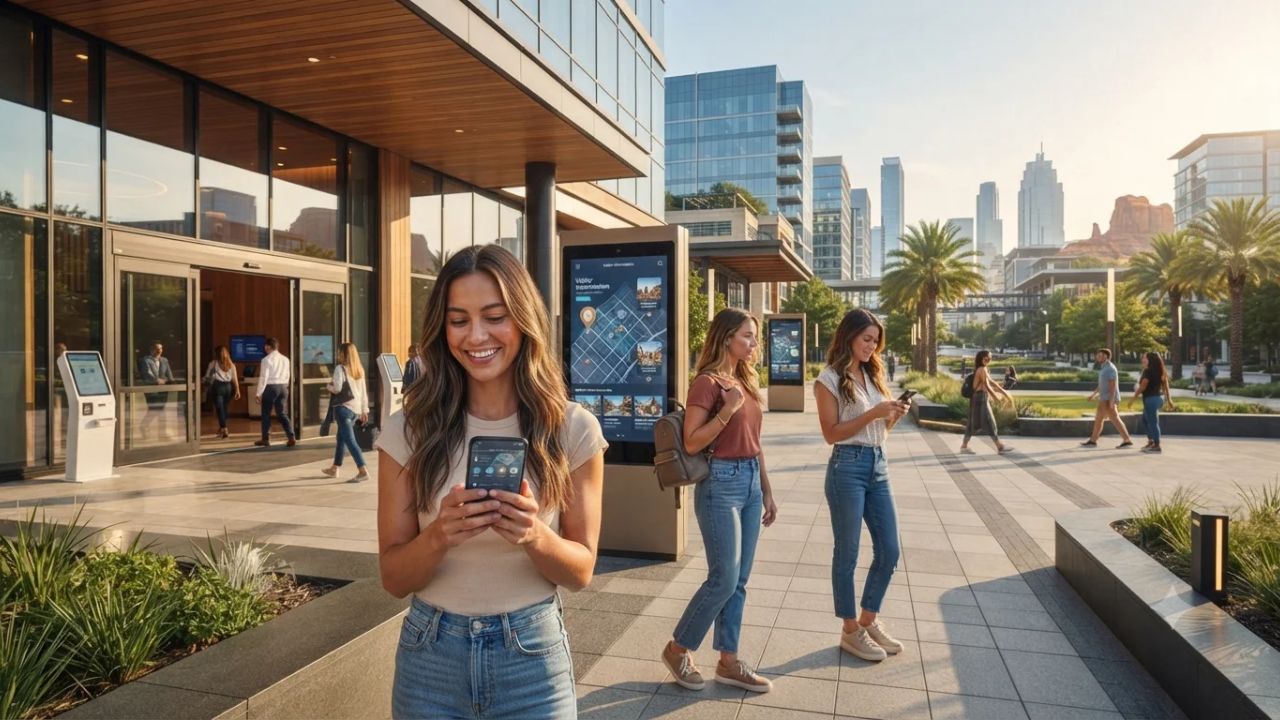
Image generated by AI
Across six premier American destination markets, the deployment of real-time conversational artificial intelligence and contactless hospitality infrastructure has fundamentally altered arrival mechanics for millions of domestic and international travelers in 2026. Pioneered by high-growth municipalities like Frisco, Texas, and scaled across theme park corridors in Florida, hotel towers in Nevada, and cultural networks in New York and California, destination marketing organizations are moving beyond static brochures to algorithmic visitor management. By integrating cloud communication, virtual queuing, automated check-in, and predictive recommendations, regional tourism authorities are addressing a dual operational imperative: dispersing traveler foot traffic away from overburdened gateway landmarks into local neighborhood commercial districts, while trimming front-desk friction amid elevated labor costs. As North America prepares for major global sporting and cultural spectacles, smart hospitality systems have transitioned from optional digital novelties into foundational infrastructure that determines destination competitiveness and visitor yield.
Algorithmic Dispersal: How Frisco, Texas and Regional Hubs are Replacing Static Guides
The emergence of Texas as an incubator for smart tourism reflects deliberate preparations for an unprecedented influx of international visitors. Municipalities across the state are integrating conversational artificial intelligence to connect incoming travelers with localized commercial ecosystems. In Frisco, Texas, tourism officials introduced a specialized AI-powered visitor assistant that replaces traditional search directories with natural-language advisory services. Rather than forcing travelers to sift through dozens of disparate commercial listings, the system synthesizes real-time dining availability, event calendars, entertainment venues, and transit logistics into tailored recommendations.
This technological evolution serves an essential economic function for state tourism agency Travel Texas. As the state readies its urban centers for major international athletic competitions in 2026, large sporting venues risk creating localized traffic bottlenecks that fail to benefit the broader business community. Digital concierge platforms actively direct visitors beyond stadium districts toward independent restaurants, cultural centers, retail corridors, and suburban entertainment districts.
Complementing public-sector visitor assistants, commercial lodging properties across Texas are executing comprehensive smart hospitality upgrades. Hotels and resorts are replacing legacy check-in desks with mobile keyless entry, automated room readiness messaging, and algorithmic guest service platforms. By allowing travelers to bypass physical registration lines via smartphones, properties reduce lobby congestion, optimize housekeeping schedules, and deliver tailored dining and activity promotions based on guest preferences.
Cross-State Technology Deployment: Mapping the 2026 Smart Tourism Framework
Across the United States, destination marketing authorities are deploying specialized digital tools tailored to their unique geography and visitor profiles. In Florida, where theme park complexes in Orlando and coastal resorts in Miami process tens of millions of annual vacationers, digital systems manage capacity and crowd distribution. Major theme parks and hotel operators rely on virtual queueing algorithms, digital ticket synchronization, and interactive navigational maps to minimize physical wait times. Travelers utilize mobile applications to schedule dining reservations, track shuttle transit, and secure timed entry before arriving at attraction gates.
In California, state promotional entity Visit California and municipal partners emphasize geographic dispersal. In San Diego, tourism authorities launched an AI-driven chatbot designed to curate custom itineraries based on user interests. By highlighting lesser-known coastal communities, neighborhood cultural enclaves, and regional culinary venues, the algorithm encourages travelers to distribute their spending away from saturated waterfront zones.
In Nevada, Las Vegas mega-resorts have transformed into testbeds for hotel automation. Properties feature integrated smartphone room controls, automated concierge chatbots, and digital billing systems that streamline high-volume check-outs. In New York City, mobile digital storytelling platforms steer tourists into outer-borough cultural sites. Simultaneously, the National Park Service employs timed-entry digital reservation platforms and real-time trail safety dashboards to balance conservation mandates with unprecedented outdoor recreation demand, while Hawaii uses mobile communication systems to educate incoming visitors on environmental guidelines and cultural expectations.
| Destination / Jurisdiction | Primary Digital Asset | Implementation Focus | Operational Objective |
|---|---|---|---|
| Frisco, Texas | Conversational AI Visitor Assistant | Municipal travel planning and event discovery | Steers event crowds to local retail and dining |
| Orlando & Miami, Florida | Virtual Queuing & Integrated Mobile Apps | Theme park entry and coastal resort logistics | Eliminates physical queues and balances foot traffic |
| San Diego, California | Generative AI Chatbot | Neighborhood itinerary building | Disperses visitors into outer cultural districts |
| Las Vegas, Nevada | Smart Room Tech & Mobile Keys | Mega-resort check-in and automated service | Reduces desk queues and captures real-time guest spend |
| New York City, New York | Digital Storytelling Platforms | Outer-borough exploration guides | Distributes tourism revenue across non-core neighborhoods |
| Hawaii Archipelago | Pre-Arrival Compliance Portals | Environmental and cultural guidance | Promotes responsible tourism and preserves ecosystems |
| US National Parks | Timed-Entry & Digital Trail Dashboards | Online permits and real-time safety alerts | Prevents trail over-crowding and protects wild areas |
| Functional Domain | Traditional Operating Model | Smart Technology System | Operational & Traveler Impact |
|---|---|---|---|
| Hotel Arrival | Manual front-desk queuing and physical keycards | Direct-to-room smartphone digital keyless access | Eliminates lobby delays; reduces property labor overhead |
| Visitor Guidance | Paper brochures and static directory websites | Conversational AI natural-language assistants | Delivers instant, personalized pre-trip and in-destination advice |
| Crowd Management | First-come, first-served physical standby lines | Algorithmic virtual queues and timed reservations | Smooths capacity spikes; enhances visitor comfort |
| Resource Protection | Static physical signboards and ranger talks | Geo-targeted environmental and cultural mobile alerts | Informs travelers in real time; protects delicate sites |
Expert Analysis: The Economics of Foot Traffic Steering and Labor Arbitrage
For travelers booking these routes, the direct consequence is that the destination experience is increasingly mediated by algorithms designed to influence spending patterns and movement. What appears on a smartphone screen as a personalized lunch recommendation is frequently an intentional intervention by a destination marketing organization seeking to alleviate congestion at marquee landmarks while supporting small businesses in secondary neighborhoods. This algorithmic guidance creates a more seamless vacation for the traveler, who avoids ninety-minute restaurant waits, while simultaneously spreading municipal sales tax revenues across a wider geographic perimeter.
The pricing pressure this creates means hospitality operators are using technology as an aggressive hedge against escalating operating costs. In major gaming and resort hubs like Las Vegas, smart room automation, digital concierges, and mobile check-in systems allow properties with thousands of rooms to operate with leaner front-line staffing levels. Properties eliminate administrative friction, allowing existing staff to focus on high-touch guest requests, while capturing valuable behavioral data that feeds predictive upselling engines for poolside cabanas, spa appointments, and theater reservations.
On public lands and fragile island ecosystems, digital reservation systems represent a shift from passive accommodation to active regulatory control. In Hawaii and across the National Park system, online entry portals and digital safety maps act as technological turnstiles. Travelers who fail to engage with digital platforms weeks in advance risk complete exclusion from popular natural attractions. As tourism volumes expand throughout 2026, proficiency with destination-specific digital interfaces has become as essential to travel planning as booking an airline seat or securing a hotel room.
Key Takeaways
- Multistate AI Integration: Texas, Florida, California, Nevada, New York, and Hawaii are expanding smart tourism technology, moving from static information directories to active, AI-guided visitor management.
- Municipal Innovation in Texas: Frisco, Texas, has introduced an AI-powered conversational travel assistant to guide visitors to local restaurants, cultural events, and attractions ahead of major 2026 international sporting gatherings.
- Theme Park and Resort Automation: Florida and Nevada operators lead the nation in contactless hospitality, scaling virtual queueing, mobile ticketing, automated concierge services, and smartphone-based room entry.
- Algorithmic Foot Traffic Dispersal: San Diego and New York City leverage digital platforms and chatbots to steer travelers away from congested landmarks toward independent neighborhood merchants.
- Digital Access Controls for Nature: The National Park Service and Hawaii utilize timed-entry digital systems and environmental notifications to manage visitor volume and enforce conservation standards.
FAQ: Smart Tourism and AI Systems 2026
What is the primary purpose of AI visitor assistants like the one in Frisco, Texas?
AI assistants deliver conversational, personalized recommendations for dining, events, and attractions, helping travelers navigate destinations while directing business to local merchants beyond major event venues.
How are Las Vegas hotels using smart hospitality technology in 2026?
Las Vegas resorts use smartphone mobile check-in, digital room keys, automated concierge chatbots, and in-room smart technology to eliminate lobby wait times and streamline guest service requests.
Why are US National Parks and Hawaii implementing digital reservation platforms?
Digital platforms and timed-entry systems manage high visitor volumes, prevent ecological damage at sensitive sites, and communicate cultural expectations and safety alerts directly to travelers.
Can travelers bypass traditional hotel check-in desks using smart hospitality tools?
Yes. Participating hotels across Texas, Florida, and Nevada allow guests to verify identity, receive room assignments, and unlock doors directly through mobile apps, bypassing physical reception desks entirely.
[As artificial intelligence transforms tourism from passive sightseeing into algorithmic navigation, the destinations that thrive will be those that use technology to eliminate friction without stripping away genuine human hospitality.]
Related Travel Guides
The 10 Best Hotels in Las Vegas, According to Reddit (2026 Guide)
The 10 Best Budget Road Trips in California, According to Reddit
Disclaimer
This article is for informational and educational purposes only. It does not constitute legal, financial, or professional advice. While we strive to provide accurate and up-to-date information, travel policies, regulations, and conditions change rapidly. Always verify information with official sources before making travel decisions. Nomad Lawyer makes no representations about the accuracy, reliability, completeness, or suitability of the information provided. Readers should consult qualified professionals for advice specific to their circumstances. The views expressed in this article are those of the author and do not necessarily reflect the views of Nomad Lawyer.
Raushan Kumar
Founder & Lead Developer
Full-stack developer with 11+ years of experience and a passionate traveller. Raushan built Nomad Lawyer from the ground up with a vision to create the best travel and law experience on the web.
Learn more about our team →