
Tennessee Hidden Shadow: Serene Suburb Near Great Smoky Mountains
A tranquil Tennessee suburb near Great Smoky Mountains offers travelers peaceful outdoor adventures in 2026 without park crowds. Discover this quieter alternative for hiking, scenic views, and mountain escape.

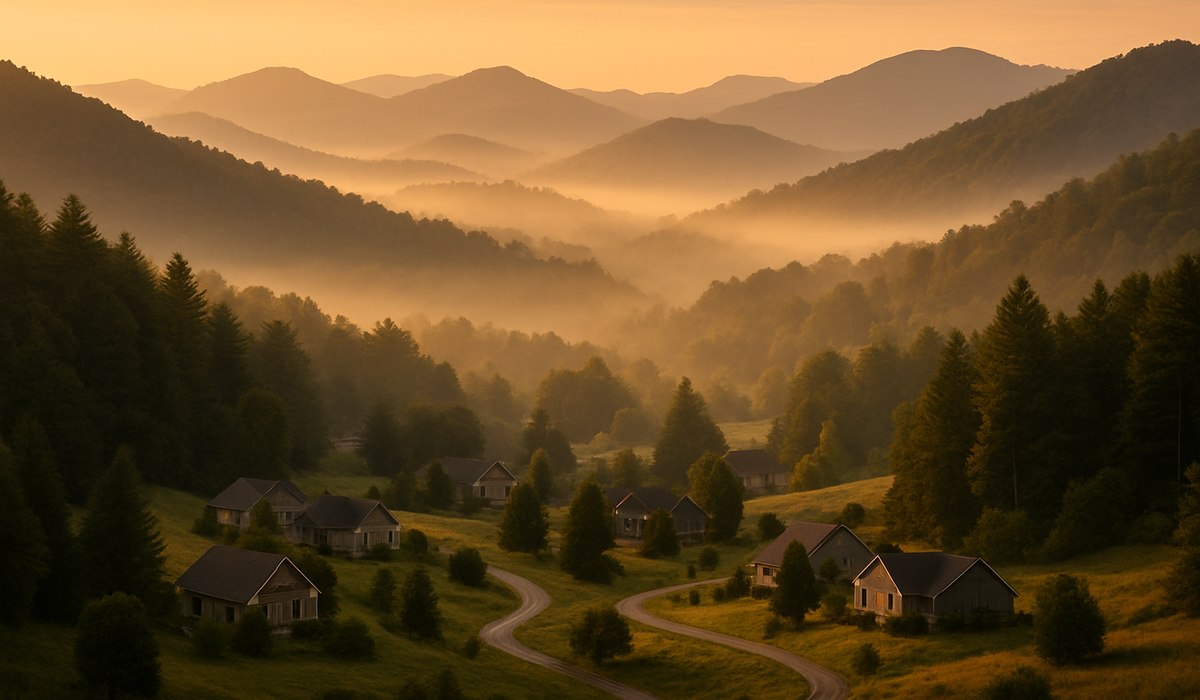
Image generated by AI
A Quieter Gateway to Mountain Adventure
A charming Tennessee suburb tucked beneath the Great Smoky Mountains is gaining momentum among travelers seeking authentic outdoor experiences without navigating the national park's peak-season congestion. In 2026, this lesser-known community has positioned itself as the ideal alternative for visitors wanting easy access to pristine trails, scenic overlooks, and mountain culture. Located just minutes from the most visited national park in America, this destination delivers everything outdoor enthusiasts need—solitude, accessibility, and genuine Appalachian charm—on its own exceptional terms.
Why Great Smoky Mountains Gets Overwhelmed
The Great Smoky Mountains National Park welcomes over 14 million visitors annually, creating sustained crowding along popular trails and roadways, particularly during summer months and fall foliage season. The sheer volume transforms what should be peaceful wilderness experiences into congested outdoor corridors, where hikers queue for parking and trail access becomes competitive rather than contemplative.
This overcrowding dilemma has sparked growing interest in nearby communities offering comparable natural beauty with significantly fewer visitors. The Tennessee hidden shadow phenomenon reflects travelers' desire to explore the broader mountain region without park entrance fees or parking lot frustrations. Strategic positioning near the park boundary allows nearby suburbs to capture visitors seeking authentic experiences while maintaining the tranquility that defines mountain travel. Local tourism boards have invested in infrastructure improvements and trail development to accommodate this emerging demand.
The Hidden Suburb: Location and Access
This tranquil Tennessee community sits strategically positioned within the park's shadow, providing immediate gateway access to Great Smoky Mountains attractions while maintaining distinct neighborhood character. The suburb features easy highway connections, allowing visitors to reach downtown areas and trailheads within 15-30 minutes.
Local accommodations range from family-owned bed-and-breakfasts to modern mountain lodges, with pricing typically 20-40% lower than gateway towns. The community supports independent restaurants, artisan shops, and local galleries that reflect authentic Appalachian culture rather than tourist commercialization. Residential streets wind through forested areas, offering scenic driving routes and walking opportunities before venturing into the national park itself.
Proximity to multiple trailhead access points means visitors can explore diverse ecosystems—from riverside walks to high-altitude ridges—without the infrastructure strain visible in park-concentrated areas. The suburb's elevation position provides natural climate benefits, keeping summers cooler than valley communities while offering spectacular sunset viewing opportunities across the mountain range.
Outdoor Activities Beyond the National Park
The surrounding region offers comprehensive outdoor pursuits independent of national park access. Established hiking networks connect waterfall trails, old-growth forest walks, and ridge-top viewpoints accessible from local starting points. Mountain biking trails range from beginner-friendly riverside paths to technical single-track descents through deciduous forest.
Rock climbing enthusiasts discover legitimate crags and bouldering areas within reasonable driving distance, supported by local guide services and climbing communities. Fishing opportunities span cold-water streams stocked with native trout species and scenic impoundments where bass fishing remains productive year-round. Kayaking and canoeing access points dot nearby waterways, from calm float trips to moderate whitewater sections.
Photography locations abound throughout the broader region. Professional and amateur photographers frequent sunrise points, waterfall destinations, and wildlife viewing areas that experience lighter foot traffic than comparable national park locations. Birding remains exceptional during migration seasons, with documented sightings of over 200 species throughout the region. The Great Smoky region's biodiversity attracts naturalists and nature photographers seeking authentic wilderness documentation without competing with hundreds of daily visitors.
Best Time to Visit
Spring transforms the region into a wildflower showcase, with peak blooms occurring between mid-April and late May. Temperatures range from 55-70°F, ideal for strenuous hiking without heat-related concerns. Waterfall flow peaks during spring snowmelt, creating dramatic cascade photography opportunities.
Summer (June-August) brings warm temperatures (75-85°F) and occasional afternoon thunderstorms that refresh the landscape while clearing afternoon crowds seeking shelter. Early morning hiking provides optimal conditions before afternoon weather systems develop. Wildlife viewing improves during summer breeding seasons when animals remain active longer throughout daylight hours.
Fall foliage (September-November) represents peak travel season across Tennessee's mountains. The Tennessee hidden shadow community experiences notable visitation increases during October when color peaks, though infrastructure remains less strained than park-adjacent towns. Crisp mornings (45-60°F) and clear visibility make this season exceptional for landscape photography and long-distance ridge viewing.
Winter (December-February) presents quieter conditions with minimal crowds. Occasional snow transforms trails into winter wonderland experiences. Lower accommodation prices and restaurant reservations create travel advantages despite unpredictable weather. Evergreen forests maintain visual interest when deciduous vegetation drops.
How to Get There
The suburb connects via Interstate 40 and Highway 441, providing direct access from Knoxville (45 minutes), Nashville (2.5 hours), and Asheville, North Carolina (1 hour). Regional airports in Knoxville and Asheville offer convenient arrival points with rental car availability.
Public transportation options remain limited; personal vehicles provide optimal mobility for trailhead access and exploration. The community's main thoroughfare includes visitor information centers offering maps, trail recommendations, and current conditions reports. Parking at local trailheads operates on first-come, first-serve basis, with ample spaces even during moderate traffic periods.
Best Local Resources and Tips
The official Sevier County Tourism Board provides comprehensive destination planning resources, including accommodation databases and event calendars. Review trail conditions and difficulty ratings on TripAdvisor before committing to extended hikes. Download offline maps using AllTrails or local tourism apps to maintain navigation capability in spotty cellular coverage areas.
Arrive at popular trailheads before 9 AM to secure parking, particularly on weekends. Pack insect repellent during warmer months when mosquito and tick populations increase. Weather changes rapidly in mountainous terrain—bring layered clothing regardless of initial conditions. Visit local outfitters for current wildlife sighting information and recent trail updates unavailable in printed guides.
Respect trail difficulty ratings and turn-around time recommendations, particularly on autumn hikes when darkness arrives earlier. Inform someone of your planned route and expected return time before embarking on solitary hikes. Preserve the region's character by following Leave No Trace principles and supporting locally-owned businesses rather than chain establishments.
| Aspect | Details |
|---|---|
| Distance from Park | 15-30 minutes by car |
| Elevation Range | 1,200-4,500 feet |
| Average Summer Temperature | 75-85°F |
| Peak Visitation Season | September-October |
| Major Nearby Waterfall | Laurel Falls (2.6-mile round trip) |
| Accommodation Price Range | $80-200 per night |
| Regional Population | 15,000-25,000 residents |
| Trail Network Miles | 200+ documented trails |
| Wildlife Species Count | 30+ mammals, 200+ birds |
| Best Photography Hours | 6-8 AM and 4-6 PM |
What This Means for Travelers
-
Escape park congestion tactically: Choose this suburb as your base camp to access Smoky Mountain attractions without suffering peak-season parking gridlock and overcrowded trailheads. Early morning excursions into the national park from nearby lodging provide fresher experiences than staying within park towns.
-
Discover lesser-known trails: Explore established hiking networks in surrounding national forests and state recreation areas offering comparable scenery with significantly fewer encounters. Your outdoor photographs will showcase natural beauty without background crowds.
-
Budget strategically: Accommodations in this Tennessee hidden shadow community average 20-40% less expensive than nearby Gatlinburg or Pigeon Forge properties.
Disclaimer
This article is for informational and educational purposes only. It does not constitute legal, financial, or professional advice. While we strive to provide accurate and up-to-date information, travel policies, regulations, and conditions change rapidly. Always verify information with official sources before making travel decisions. Nomad Lawyer makes no representations about the accuracy, reliability, completeness, or suitability of the information provided. Readers should consult qualified professionals for advice specific to their circumstances. The views expressed in this article are those of the author and do not necessarily reflect the views of Nomad Lawyer.
Preeti Gunjan
Contributor & Community Manager
A passionate traveller and community builder. Preeti helps grow the Nomad Lawyer community, fostering engagement and bringing the reader experience to life.
Learn more about our team →