
Sydney Southwest Metro Completes Five Week Trial Running Program Covering 130 Scenarios Across Bankstown Corridor
Sydney Southwest Metro completes a 5-week Trial Running program across 130 scenarios, surpassing 5,800 testing hours ahead of passenger launch.

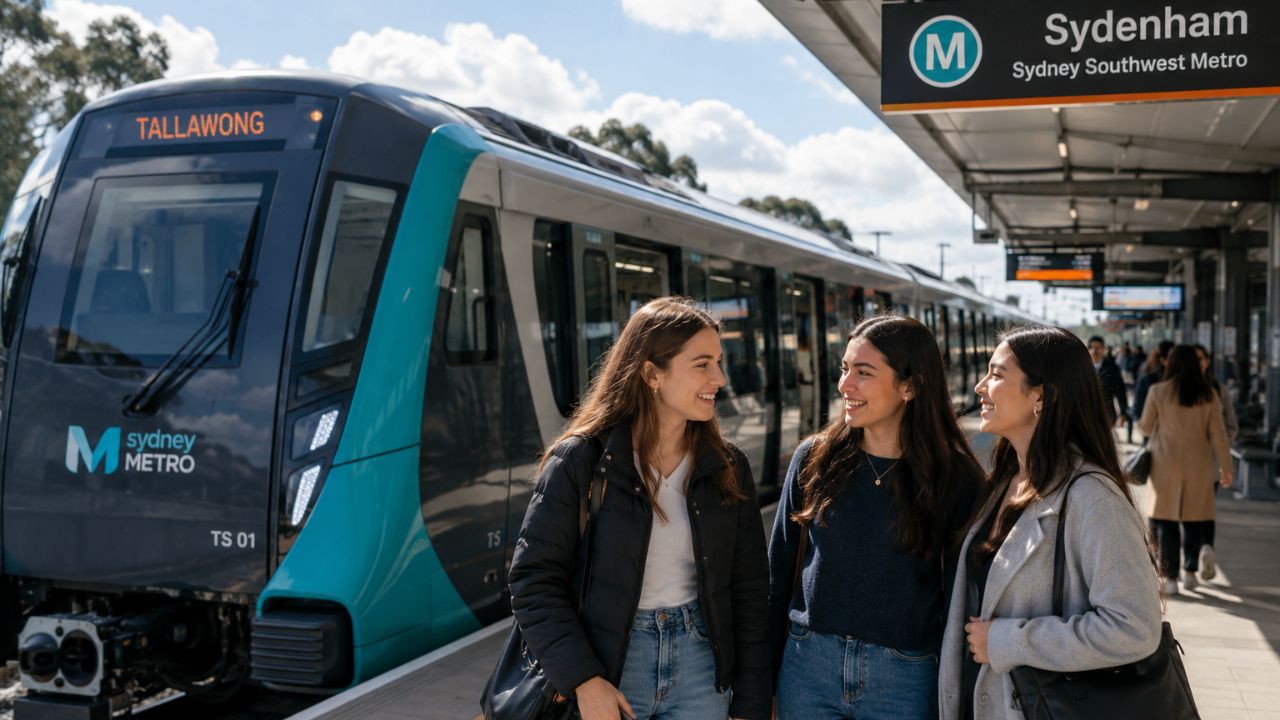
Image generated by AI
Sydney Southwest Metro completed a five-week Trial Running program on September 3, 2026, evaluating more than 130 complex operational scenarios across the converted Marrickville-to-Bankstown rail corridor. The testing phase brings automated driverless passenger services closer to public operation, with over 5,800 testing hours and 24,235 kilometers completed to date.
Sydney Metro Southwest Trial Running Milestones and Driverless Operations
[SYDNEY, Australia, Sept. 3, 2026] — Infrastructure testing across Sydney’s rapid transit network marked a critical milestone as Sydney Metro completed its 5-week Trial Running phase on the Southwest Metro line. Managed under Transport for NSW, the program put automated driverless trains, signaling systems, and station infrastructure through more than 130 operational scenarios.
A key requirement of the trial involved simulating emergency incidents. During a major drill near Bankstown Station, emergency teams simulated a train fire on a moving vehicle. Approximately 300 volunteers participated in the exercise, allowing emergency services and transport personnel to evaluate train stopping procedures, communication protocols, and passenger evacuation management under realistic conditions.
The project involves converting a 130-year-old traditional above-ground railway line into a modern automated driverless metro corridor. Additional driverless testing runs will continue to evaluate network performance across varying journey times and service patterns.
Following operational testing, final documentation will be submitted to the Office of the National Rail Safety Regulator (ONRSR) for independent safety accreditation before passenger operations begin.
Automated Infrastructure Testing Metrics and Station Upgrades
Testing and commissioning on the Southwest Metro began when the first automated train entered the converted corridor in April 2025. Since then, technical teams have logged substantial testing metrics:
- 5,800+ Testing Hours: Completed out of the mandatory 9,000-hour testing requirement.
- 24,235 Kilometers Traveled: Logged out of the required 30,000-kilometer testing threshold.
- 10 Upgraded Stations: Finishing works continue across stations between Marrickville and Bankstown, including platform asphalting, fencing remediation, signage installation, and concourse upgrades.
- Mechanical Gap Fillers: Automated platform gap fillers are undergoing final adjustments to eliminate physical steps between platforms and train doors.
Sydney Southwest Metro Commissioning & Testing Progress Matrix
| Project Component | Target Benchmark / Scope | Completed Status (as of Sept 2026) | Primary Safety & System Focus |
|---|---|---|---|
| Testing Hours | 9,000 total testing hours | 5,800+ hours completed | Network automated signaling & control stability |
| Test Distance | 30,000 kilometers traveled | ~24,235 kilometers completed | Automated driverless train endurance & braking |
| Trial Scenarios | 130+ operational tests | 5-week Trial Running phase cleared | Simulated Bankstown train fire drill with 300 volunteers |
| Upgraded Stations | 10 stations (Marrickville–Bankstown) | Finishing works & platform asphalting | Mechanical gap fillers & concourse signage installation |
| Network Conversion | 130-year-old rail corridor | Modern automated driverless metro | Independent regulatory safety accreditation (ONRSR) |
Commuter Logistics Guide & M1 Line Transit Replacement Protocol
Navigating Sydney’s rail network during final testing and commissioning on the Southwest Metro requires attention to scheduled maintenance closures:
- Navigating Planned M1 Line Closures: Transport for NSW has scheduled temporary closures along the M1 Metro Northwest line in the coming weeks to support network-wide integration testing.
- Utilizing Replacement Bus Routes: During M1 closures, dedicated replacement buses will operate between Tallawong and Chatswood. Passengers traveling toward the Sydney Central Business District (CBD) can transfer to Sydney Trains T1 North Shore Line services at Chatswood Station.
- Step-Free Station Accessibility: Upgrades across all 10 stations between Marrickville and Bankstown feature mechanical gap fillers that extend automatically when trains arrive, creating level, step-free access for passengers with strollers, wheelchairs, or heavy luggage.
- Monitoring Passenger Opening Schedules: Commuters can verify real-time transport schedules, replacement bus timetables, and opening updates through the Transport for NSW trip planner (transportnsw.info) or official Sydney Metro channels.
Sydney Urban Mobility & Autonomous Transit Footprint
Converting Sydney’s legacy 130-year-old rail infrastructure into a high-frequency automated metro corridor represents one of Australia's largest urban transport transformations. Once accredited, the Southwest Metro will provide high-capacity, turn-up-and-go services between Bankstown, Sydenham, and central Sydney.
Integrating automated driverless technology increases train frequency, reduces journey times, and improves reliability across Sydney's southern transport corridors.
For urban planners and commuters across New South Wales, clearing the 5-week Trial Running milestone establishes a firm foundation for opening Sydney’s latest automated metro extension.
Key Metro Commissioning Highlights
- 5-Week Trial Running Completed: Clears over 130 operational scenarios across the Southwest Metro corridor.
- Emergency Drill Execution: Simulated a moving train fire near Bankstown with 300 volunteer evacuees.
- 5,800+ Testing Hours Logged: Progresses toward the required 9,000-hour commissioning benchmark.
- 24,235 Kilometers Traveled: Surpasses 80% of the 30,000-kilometer automated testing requirement.
- 10 Station Upgrades: Finalizing finishing works across Marrickville-to-Bankstown stations.
Frequently Asked Questions
What milestone did the Sydney Southwest Metro reach?
Sydney Southwest Metro completed a five-week Trial Running program evaluating more than 130 operational scenarios.
How many testing hours have been completed on the Southwest Metro?
More than 5,800 testing hours out of the required 9,000 hours have been completed since April 2025.
What stations are included in the Southwest Metro upgrade?
The project upgrades 10 stations along the converted rail corridor between Marrickville and Bankstown.
How will passengers travel during planned M1 Metro closures?
Replacement buses will run between Tallawong and Chatswood, where passengers can connect to Sydney Trains services toward the CBD.
Related Travel Guides
- Northern Railway Launches Six Day AC Chair Car Special Express Between Badgam and Katra Starting October 2026
- Network Rail Accelerates £1.4 Billion East Coast Digital Programme to Retrofit Fleet and Implement Level 2 ETCS Signalling
- Gulf Aviation Network Faces Widespread Flight Delays and Airspace Rerouting Across Regional Hubs
Disclaimer
This article is for informational and educational purposes only. It does not constitute legal, financial, or professional advice. While we strive to provide accurate and up-to-date information, travel policies, regulations, and conditions change rapidly. Always verify information with official sources before making travel decisions. Nomad Lawyer makes no representations about the accuracy, reliability, completeness, or suitability of the information provided. Readers should consult qualified professionals for advice specific to their circumstances. The views expressed in this article are those of the author and do not necessarily reflect the views of Nomad Lawyer.
Raushan Kumar
Founder & Lead Developer
Full-stack developer with 11+ years of experience and a passionate traveller. Raushan built Nomad Lawyer from the ground up with a vision to create the best travel and law experience on the web.
Learn more about our team →