
Switzerland Updates Middle East Travel Advisories for Qatar and Bahrain Amid Rising Regional Instability 2026
Switzerland joins the US and Germany in issuing strengthened travel advisories for Qatar, Bahrain, and other Middle Eastern nations, emphasizing stricter insurance requirements and safety preparedness.

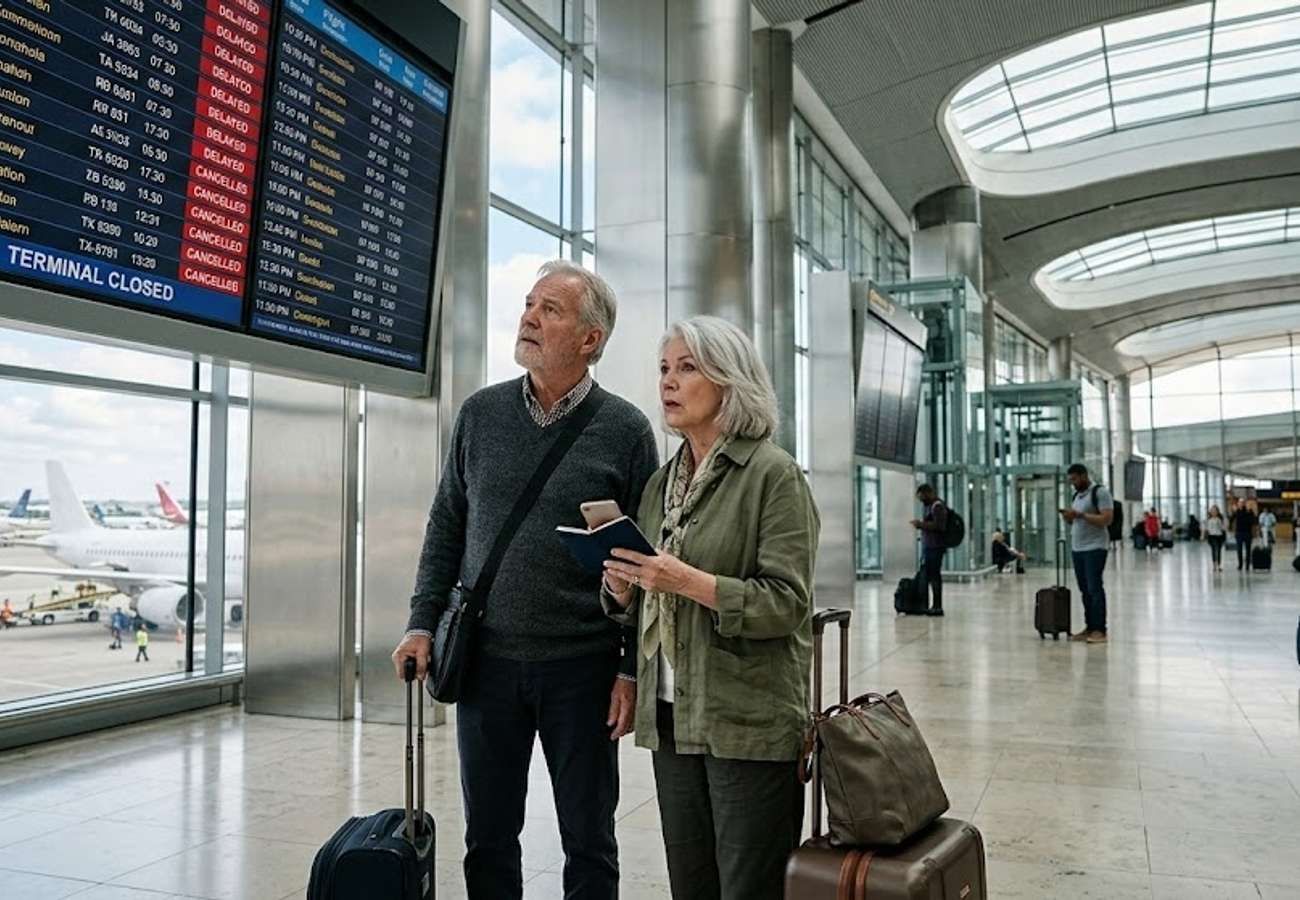
Image generated by AI
[Geneva, July 27, 2026] — Switzerland has officially aligned its foreign policy with the United States and Germany by upgrading travel advisories for several Middle Eastern nations, including Qatar and Bahrain. This strategic shift comes as escalating regional volatility prompts the Swiss government to mandate more rigorous insurance coverage and heightened emergency preparedness for all citizens visiting the area.
The updated guidance is a direct response to the fragile security environment in the region, where the risk of sudden airspace closures and flight cancellations remains high. While diplomatic channels remain open, the Swiss Federal Department of Foreign Affairs (FDFA) warns that the unpredictability of the current geopolitical climate could lead to rapid deteriorations in safety conditions for international tourists and business travelers.
Swiss Federal Department of Foreign Affairs Mandates Heightened Vigilance
The Swiss government's decision to tighten travel warnings follows a period of intense regional friction. Even with the introduction of a US–Iran memorandum of understanding on June 17, 2026, Swiss authorities maintain that the overarching security landscape is unstable. The FDFA emphasizes that diplomatic agreements do not necessarily translate to immediate safety on the ground.
For the traveler, this means a shift from general awareness to active risk management. Swiss officials are now urging visitors to maintain extreme flexibility in their itineraries and to stay connected via official government communication channels. There is a specific warning against approaching military installations, diplomatic missions, or other sensitive security infrastructure, as these locations are viewed as high-risk targets during periods of escalation.
To mitigate potential crises, the Swiss advisory recommends:
- Constant monitoring of official government alerts.
- Strict adherence to the directives of local law enforcement.
- Regular verification of flight statuses with carriers.
- Avoiding areas prone to security incidents.
- Ensuring travel plans allow for sudden route changes.
Regional Risk Assessment for Middle Eastern Destinations
The updated advisories are not uniform; they vary based on the specific security profile of each nation. While some countries face direct conflict, others are flagged due to their strategic importance as aviation hubs or their proximity to volatile borders.
| Middle Eastern Country | Primary Risks Identified | Critical Guidance for Travelers |
|---|---|---|
| Iran | Military tension, airspace restrictions | Highest concern level; risk of communication failure and aviation halts |
| Iraq | Armed group activity, regional spillover | Avoid high-risk zones; monitor changing security snapshots |
| Israel | Missile threats, military escalation | Be alert for sudden transport restrictions and flight changes |
| Lebanon | Border disruptions, regional conflict | High risk of clashes and sudden changes in security status |
| Syria | Severe conflict, lack of consular aid | Strong advisory against all travel |
| Yemen | Armed conflict, humanitarian crisis | Highly restricted travel; limited international assistance |
| Qatar | Aviation disruption, regional tension | Monitor Doha hub for sudden flight schedule modifications |
| Bahrain | Strategic security concerns | Follow regional developments closely due to geographic location |
| United Arab Emirates | Airspace volatility, escalation impact | Expect potential delays or rerouting in Dubai and Abu Dhabi |
| Kuwait | Proximity to Iran and Iraq | Stay updated on local security instructions |
| Saudi Arabia | Regional instability, sensitive sites | Exercise caution near government and military infrastructure |
| Oman | Strait of Hormuz maritime security | Monitor aviation and maritime alerts in the Gulf |
| Jordan | Regional spillover, flight disruptions | Remain alert due to proximity to multiple conflict zones |
Global Alignment of Travel Warnings by US and Germany
Switzerland's move is part of a broader international trend. The United States has already implemented stringent warnings for a cluster of nations, specifically highlighting Iran, Yemen, Syria, Lebanon, Iraq, and Israel. US officials have cited terrorism, unpredictable military movements, and a lack of emergency support infrastructure as primary drivers for these warnings.
Similarly, Germany has revised its guidance, focusing heavily on the potential for rapid airspace closures and the volatility of border conditions. Other nations, including Japan, Canada, New Zealand, and Australia, have mirrored these concerns, creating a global consensus that the Middle East requires a more cautious approach to tourism in 2026.
These governments are not suggesting a total cessation of travel but are instead shifting the burden of risk onto the traveler. The emphasis has moved toward "informed travel," where the visitor is expected to have a comprehensive exit strategy and a robust insurance policy before departure.
Aviation Hubs and the Economic Ripple Effect of US-Iran Tensions
The friction between the United States and Iran is not merely a diplomatic issue; it is a logistical nightmare for global aviation. Because the Middle East serves as the primary bridge between the West and Asia, instability in the region creates a domino effect across the global flight network.
Major transit points are currently under scrutiny, including:
- Dubai International Airport
- Doha Hamad International Airport
- Abu Dhabi International Airport
- Bahrain International Airport
- Muscat International Airport
When tensions spike, airlines are forced to make immediate operational pivots. This includes rerouting flights to avoid contested airspace, which increases fuel consumption and flight times. In more severe cases, temporary service cancellations occur, leaving thousands of transit passengers stranded in hubs like Doha or Dubai, even if those cities themselves remain peaceful.
The Shift in Tourism Confidence and Insurance Requirements
The Middle East has spent the last decade investing billions into luxury tourism and "giga-projects," particularly in Saudi Arabia, the UAE, and Oman. However, these investments are now clashing with a reality of regional instability.
From a logistical standpoint, this creates a surge in demand for specialized travel insurance. Standard policies are often insufficient in the face of "political unrest" or "act of war" clauses. Travelers are now seeking comprehensive coverage that explicitly includes:
- Emergency Evacuation: High-cost extraction from volatile zones.
- Security-Related Disruptions: Coverage for hotels and flights when borders close suddenly.
- Trip Cancellation: Flexibility for government-mandated travel bans.
For the modern traveler, this means that the cost of visiting the Middle East is effectively rising, as the "insurance premium" becomes a mandatory part of the travel budget. There is also a noticeable decline in last-minute bookings, as the uncertainty regarding flight schedules makes spontaneous travel too risky for most.
The intersection of geopolitical volatility and global aviation makes the 2026 Middle East travel landscape one of the most complex for international visitors.
Related Travel Guides
Disclaimer
This article is for informational and educational purposes only. It does not constitute legal, financial, or professional advice. While we strive to provide accurate and up-to-date information, travel policies, regulations, and conditions change rapidly. Always verify information with official sources before making travel decisions. Nomad Lawyer makes no representations about the accuracy, reliability, completeness, or suitability of the information provided. Readers should consult qualified professionals for advice specific to their circumstances. The views expressed in this article are those of the author and do not necessarily reflect the views of Nomad Lawyer.
Raushan Kumar
Founder & Lead Developer
Full-stack developer with 11+ years of experience and a passionate traveller. Raushan built Nomad Lawyer from the ground up with a vision to create the best travel and law experience on the web.
Learn more about our team →