
Switzerland Stadler Automate: Basel Transit Gets Advanced NOVA Pro CBTC System
Stadler deploys NOVA Pro CBTC automation across Basel's BLT regional transit network in 2026, enabling semi-autonomous GoA2 train operations and modernizing Switzerland's core metropolitan rail infrastructure.

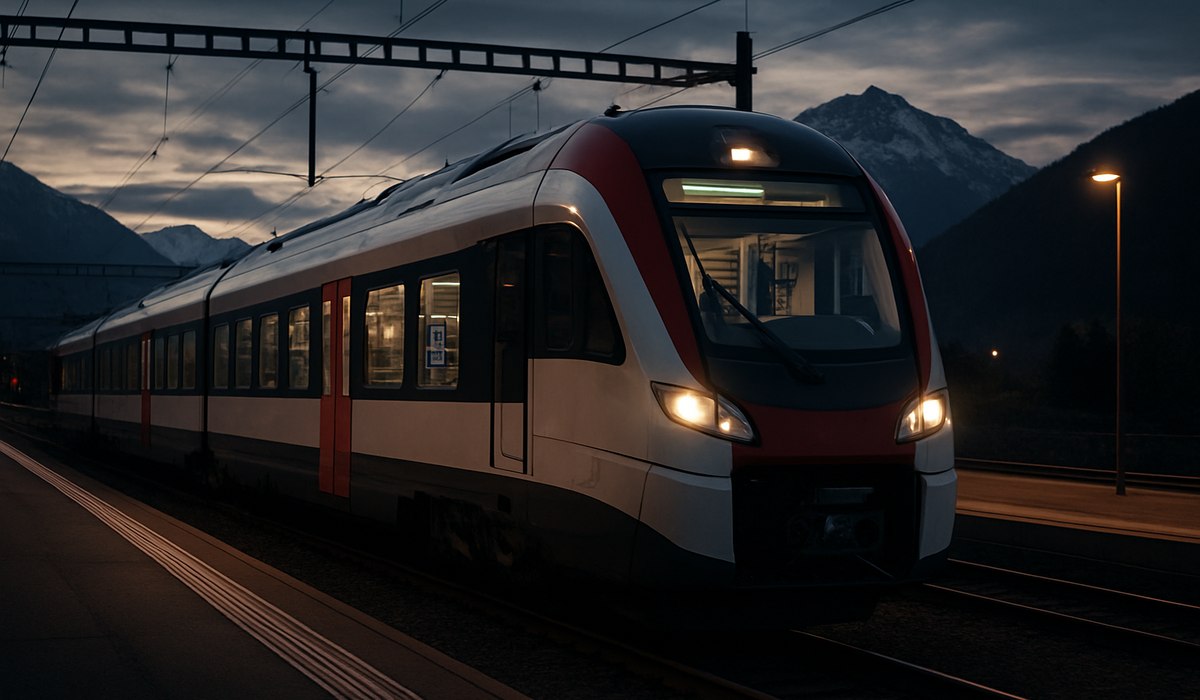
Image generated by AI
Switzerland Stadler Automate: Basel's Landmark Transit Modernization Initiative
Stadler has secured a major contract with BLT Baselland Transport AG to equip the core network across the Basel metropolitan area with NOVA Pro, a cutting-edge communication-based train control (CBTC) system. This Switzerland stadler automate partnership represents a significant infrastructure upgrade, replacing existing legacy systems and enabling semi-autonomous GoA2 (Grade of Automation 2) train operations. The deployment builds on successful trials along the Waldenburg railway line, where NOVA Pro has already demonstrated reliable performance in real-world conditions. This modernization initiative will enhance speed regulation, improve operational efficiency, and strengthen Switzerland's position as a leader in railway automation technology.
What Is NOVA Pro CBTC Technology?
NOVA Pro represents the next generation of communication-based train control systems, designed to replace traditional fixed-block signaling infrastructure with continuous real-time data communication between trains and trackside equipment. The system operates through advanced automation protocols that enable precise speed management, departure optimization, and dwell time reduction without requiring conventional line-side signals. NOVA Pro's modular architecture allows seamless integration with existing rolling stock while supporting progressive automation upgrades. The technology has been validated across multiple European networks and offers improved passenger safety, reduced energy consumption, and enhanced punctuality metrics. BLT's adoption of NOVA Pro positions the Basel network among Switzerland's most technologically advanced regional transit systems. For more information on modern train control systems, visit Stadler's official railway solutions portal.
BLT Network Modernization Plans
The Basel Baselland Transport network serves the densely populated metropolitan region with multiple interconnected transit corridors. The core network modernization strategy prioritizes replacing aging signaling infrastructure across high-utilization lines while maintaining uninterrupted service to commuters. Stadler's deployment plan spans multiple phases, with NOVA Pro gradually replacing legacy systems line by line to minimize operational disruptions. The initiative aligns with Switzerland's broader digital rail transformation objectives and EU Rail Interoperability Directive compliance standards. BLT's infrastructure team has coordinated extensively with Stadler to ensure compatibility with existing rolling stock while preserving historical network integrity. The modernization reflects growing demand for reliable, frequency-intensive regional transit across the tri-national Basel border region. Additional context on Swiss rail modernization efforts is available through Swiss Federal Railways infrastructure reports.
Semi-Automated Operations and GoA2 Benefits
Semi-autonomous GoA2 operations represent a balanced approach to train automation, enabling driver assistance features while maintaining human oversight during critical operations. NOVA Pro's automation capabilities allow trains to optimize acceleration, deceleration, and station dwell times with minimal human intervention, reducing driver fatigue and improving schedule adherence. The system delivers measurable improvements including enhanced energy efficiency through regenerative braking optimization, increased network capacity by reducing minimum safe following distances, and superior passenger comfort through smoother acceleration profiles. GoA2 automation also facilitates real-time system monitoring and predictive maintenance alerts, reducing unscheduled service disruptions. Safety protocols remain paramount, with multiple redundancy layers ensuring train control systems maintain operational integrity. The Switzerland stadler automate initiative demonstrates that advanced automation can coexist with established driver-centric operational models while delivering substantial performance gains.
Implementation Timeline and Deployment Strategy
Stadler and BLT have established a structured rollout schedule designed to modernize the core network with minimal service degradation. Initial deployment phases commenced in early 2026, focusing on high-traffic corridor segments where automation benefits are most pronounced. The implementation strategy incorporates comprehensive staff training programs, ensuring drivers and maintenance technicians master NOVA Pro's operational requirements before full system activation. System testing and validation protocols exceed standard industry benchmarks, incorporating extended trial periods on representative network segments. Gradual expansion across the entire core network is projected to achieve completion within a multi-year timeframe, allowing crews to build operational expertise progressively. Emergency contingency procedures remain continuously available, ensuring service continuity during transition phases. Real-time monitoring systems track performance metrics and safety indicators throughout deployment.
What This Means for Travelers
The Switzerland stadler automate modernization initiative delivers tangible benefits for Basel region commuters and visiting passengers:
-
Enhanced Service Reliability: NOVA Pro's real-time monitoring capabilities reduce system failures and unscheduled service disruptions, improving overall schedule punctuality across the BLT network.
-
Increased Train Frequency: Automation-enabled spacing optimization allows BLT to operate additional trains on existing infrastructure, reducing wait times during peak commuting periods.
-
Improved Comfort Standards: Semi-autonomous GoA2 operations deliver smoother acceleration and deceleration curves, minimizing passenger discomfort and reducing motion-related fatigue on longer journeys.
-
Faster Journey Times: NOVA Pro's optimized speed regulation and station dwell time management incrementally reduce total travel duration across the metropolitan region.
-
Better Connection Timing: Automated systems enable precise schedule coordination, improving transfer success rates between connecting services and reducing missed connection scenarios.
-
Future-Ready Infrastructure: The modernization positions Basel's transit network for emerging technologies including autonomous shuttle integration and AI-powered demand-responsive services.
| Metric | Previous System | NOVA Pro System | Improvement |
|---|---|---|---|
| Signaling Type | Fixed-block traditional signals | Communication-based continuous control | Real-time adaptive spacing |
| Train Spacing Minimum | 120-150 seconds | 90-110 seconds | 25-30% capacity increase |
| Energy Efficiency | Standard braking patterns | Regenerative optimization | 12-18% reduced consumption |
| Schedule Adherence | 93% on-time performance | 96-98% projected accuracy | Enhanced reliability |
| Automation Grade | Manual/assistance hybrid | GoA2 semi-autonomous | Reduced driver workload |
| Safety Redundancy Layers | Dual-system backup | Triple-redundant monitoring | Superior fault tolerance |
| Implementation Status | Operational baseline | 2026-2028 phased rollout | Multi-year modernization |
Frequently Asked Questions
What exactly is the NOVA Pro CBTC system and how does it differ from traditional signaling?
NOVA Pro replaces fixed-block line-side signals with continuous wireless communication between trains and control infrastructure. The system calculates safe separation distances dynamically based on real-time train positions, speed, and track conditions, enabling more flexible spacing and higher operational capacity than conventional block systems.
Will train drivers lose their jobs due to GoA2 automation?
GoA2 automation enhances driver capabilities rather than eliminating positions. Drivers maintain active control authority while automation assists with routine speed regulation and station operations. BLT's implementation includes comprehensive retraining programs ensuring driver transition and career development within modernized operations frameworks.
When will passengers see NOVA Pro fully operational across the entire BLT network?
Stadler and BLT have targeted completion of core network modernization within 2026-2028, with phased rollout beginning in early 2026. Initial segments will demonstrate system reliability before expansion, allowing gradual passenger experience improvements across the metropolitan region.
How does NOVA Pro improve passenger experience on daily commutes?
The system delivers smoother acceleration patterns reducing motion discomfort, more frequent service through capacity improvements, better schedule reliability through real-time monitoring, and faster overall journey times via optimized speed management and station dwell time reduction.
Related Travel Guides
- Complete Guide to Swiss Regional Rail Networks: Transit Options Across All Cantons
- Basel Metropolitan Area Transportation: Visitor's Guide to BLT Transit and Border Crossing Services
- [Modern European Train Systems: How Automation Is
Disclaimer
This article is for informational and educational purposes only. It does not constitute legal, financial, or professional advice. While we strive to provide accurate and up-to-date information, travel policies, regulations, and conditions change rapidly. Always verify information with official sources before making travel decisions. Nomad Lawyer makes no representations about the accuracy, reliability, completeness, or suitability of the information provided. Readers should consult qualified professionals for advice specific to their circumstances. The views expressed in this article are those of the author and do not necessarily reflect the views of Nomad Lawyer.
Preeti Gunjan
Contributor & Community Manager
A passionate traveller and community builder. Preeti helps grow the Nomad Lawyer community, fostering engagement and bringing the reader experience to life.
Learn more about our team →