
Switzerland Budget Travel 2026: SWISS Student Fares, Alpine Rail & Insider Guide

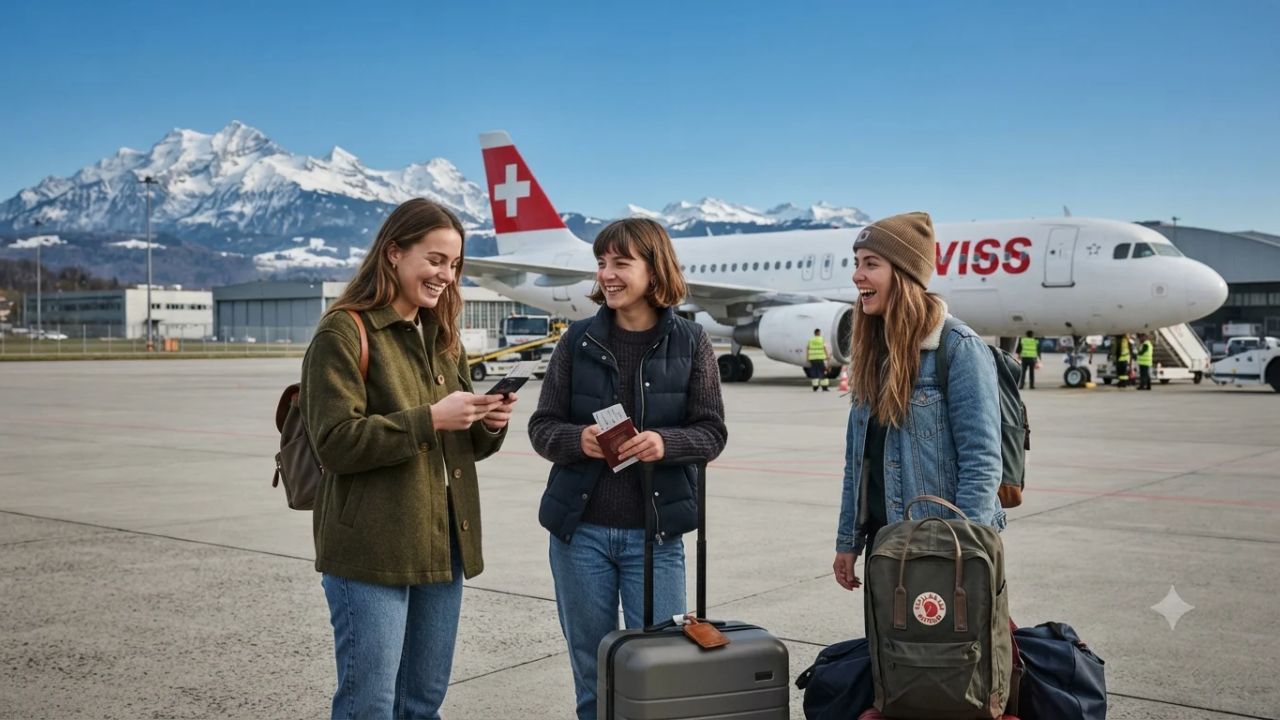
While Switzerland frequently ranks among the world’s most expensive holiday destinations, international airfare has historically consumed up to forty percent of an overseas student's total journey budget before they ever set foot in Zurich or Geneva. That dynamic is shifting as Swiss International Air Lines rolls out comprehensive youth and student fare tiers, integrating double 23-kilogram checked baggage allowances, fee-free rebooking conditions, and subsidized economy tickets across international long-haul and continental routes.
Unlocking the Swiss Confederation: How SWISS Student Fares Reset Alpine Travel
The newly expanded student fare program from Swiss International Air Lines directly addresses the logistical and financial bottlenecks facing academic travelers, interns, and young independent backpackers. Available to enrolled students aged 16 and older who verify their status through the airline’s digital Travel ID system, the ticket tier provides critical perks that traditional budget carrier tickets strip away.
Chief among these advantages is baggage flexibility. Standard discount economy tickets on transcontinental flights typically restrict passengers to a single checked bag, charging upwards of one hundred and fifty dollars for supplementary luggage. Under the SWISS student structure, eligible travelers receive two checked bags of up to 23 kilograms each, alongside standard cabin baggage. For outdoor adventurers bringing specialized mountaineering boots, cold-weather clothing, and winter sports equipment, or academic researchers transporting study materials for semester stays, this allowance eliminates massive ancillary airport surcharges.
Furthermore, academic calendars and visa processing timelines are notoriously fluid. The program incorporates flexible rebooking policies and refund provisions on eligible student fares, drastically reducing financial risk when university schedules or international research permits change unexpectedly.
What Makes Switzerland Accessible: Beyond the Luxury Myth
Switzerland suffers from a persistent reputation as an exclusive playground reserved solely for luxury resort guests and private banking elites. In reality, the country operates one of the most egalitarian, meticulously organized public infrastructures on earth, making it exceptionally rewarding for thoughtful, budget-conscious explorers.
The true heart of Swiss culture is found not in high-end watch boutiques along Zurich's Bahnhofstrasse, but along public mountain paths, community dairy cooperatives, and pristine municipal bathing spots (Badis). In cities like Bern and Basel, locals spend summer afternoons floating down the glacial-fed Aare and Rhine rivers with waterproof dry bags—a completely free civic tradition open to anyone.
Public transit in Switzerland is not just a utility; it is a world-class travel experience. The integrated network overseen by the Swiss Federal Railways (SBB) synchronizes trains, postal buses, lake steamers, and cogwheel mountain funiculars with precision. Engineering marvels such as the Albula and Bernina lines carve through sheer granite cliffs and glacier valleys, recognized globally under the UNESCO World Heritage Rhaetian Railway Network. Because public transport runs on clean hydroelectricity and reaches virtually every alpine settlement, travelers can access remote mountain trailheads without renting expensive private vehicles.
Visitor Insider Tips: Mastering the Swiss Budget
Experiencing Switzerland affordably requires adopting the habits of local residents rather than relying on tourist infrastructure.
Transport and Rail Pass Strategies
- Pair Youth Passes with SBB Saver Day Passes: Travelers under twenty-five can purchase regional youth rail discounts. If you do not qualify for long-term residency passes, secure the national Swiss Half Fare Card or book SBB "Saver Day Passes" (Spartageskarte) up to sixty days in advance, locking in unlimited nationwide train and ferry travel from twenty-nine Swiss Francs per day.
- Utilize Free Urban Transit Cards: When you book a hostel, budget guesthouse, or campsite in cantons like Geneva, Lucerne, Basel, or Bern, your accommodation provides a complimentary local transit card valid on city trams, buses, and public ferry shuttles for the entire duration of your stay.
- Skip Dedicated Luxury Express Trains: Instead of paying mandatory seat reservation surcharges on panoramic tourist trains like the Glacier Express or GoldenPass, board regular regional SBB trains running the exact same physical tracks. Regional trains allow you to open carriage windows for reflections-free photography and feature far fewer crowds.
Dining and Provisioning Hacks
- Embrace Local Supermarket Culture: Restaurant dining in Switzerland carries high labor costs, with simple lunch mains averaging twenty-five to thirty-five francs. Locals rely heavily on Coop and Migros supermarkets, which feature high-quality hot food counters, pre-packed artisanal Gruyere cheese, fresh sourdough loaves, and ready-to-eat salads at a fraction of restaurant rates.
- The Swiss Fountain Network: Never buy bottled water. Almost every village square and city street features public stone fountains (Brunnen) spouting fresh, ice-cold spring water that is tested daily and entirely safe to drink.
- Evening Discount Labels: Supermarket chains mark down bakery items, packaged sandwiches, and fresh alpine dairy by twenty-five to fifty percent after 6:00 PM to reduce daily food waste, providing an ideal resource for evening trail picnics.
Smart Alpine Trail Planning
- Avoid Expensive Summit Cable Cars: Ascending iconic summits like the Jungfraujoch or Matterhorn Glacier Paradise via tourist cableways can cost over one hundred and fifty francs per person. Instead, hike mid-elevation ridgelines—such as the Panoramaweg above Grindelwald or the Five Lakes Trail in Pizol—which offer equally dramatic panoramic views of glaciated peaks at zero access cost.
Cultural and Environmental Context: Alpine Conservation and Low-Impact Transit
Switzerland’s natural topography is as fragile as it is majestic. Melting alpine permafrost and retreating glacial ice fields have made environmental stewardship a cornerstone of national policy, supported actively by the Switzerland Tourism Board through its national "Swisstainable" sustainability framework.
Young travelers who utilize electrified rail transit, stay in communal alpine huts (SAC Hütte), and patronize small canton producers contribute to a low-carbon tourism model that preserves alpine biodiversity. Mountain communities rely on visitors who respect strict trail designations, support zero-litter mandates, and avoid disturbing highland wildlife reserves.
By lowering international airfare barriers, initiatives like the SWISS student fare encourage longer, slower journeys where travelers immerse themselves in regional cantons, learn local languages (German, French, Italian, and Romansh), and participate in authentic rural exchanges.
FAQ: Visiting Switzerland on a Budget 2026
Who is eligible to book SWISS student fares?
Enrolled higher education students aged 16 and older who verify their active student identification or university acceptance documentation through the SWISS Travel ID profile system can access these rates.
What baggage allowance is included with SWISS student flight tickets?
Most qualifying student fares include two checked bags weighing up to 23 kilograms each, plus standard cabin baggage, offering double the allowance of typical discount economy tickets.
How expensive is daily travel across Switzerland for budget travelers?
Budget-conscious travelers cooking hostel meals, utilizing SBB advance rail passes, and focusing on outdoor hiking can comfortably manage daily expenses between seventy and ninety Swiss Francs.
Do I need to speak multiple languages to travel through Swiss cantons?
English is widely spoken across Swiss transport networks, alpine information desks, and youth accommodations, though learning basic greeting etiquette in the relevant canton language is warmly welcomed by residents.
Smart flight planning and public rail passes turn Switzerland from an unattainable luxury into an accessible alpine masterclass.
Related Travel Guides
Disclaimer
This article is for informational and educational purposes only. It does not constitute legal, financial, or professional advice. While we strive to provide accurate and up-to-date information, travel policies, regulations, and conditions change rapidly. Always verify information with official sources before making travel decisions. Nomad Lawyer makes no representations about the accuracy, reliability, completeness, or suitability of the information provided. Readers should consult qualified professionals for advice specific to their circumstances. The views expressed in this article are those of the author and do not necessarily reflect the views of Nomad Lawyer.
Raushan Kumar
Founder & Lead Developer
Full-stack developer with 11+ years of experience and a passionate traveller. Raushan built Nomad Lawyer from the ground up with a vision to create the best travel and law experience on the web.
Learn more about our team →