
Destination Campaigns: Sweden Promotes Underrated Nature and Heritage Landmarks
Sweden promotes its lesser-known landmarks including Läckö Castle, Söderåsen Skåne broadleaf forests, Småland, and the Gothenburg islands.

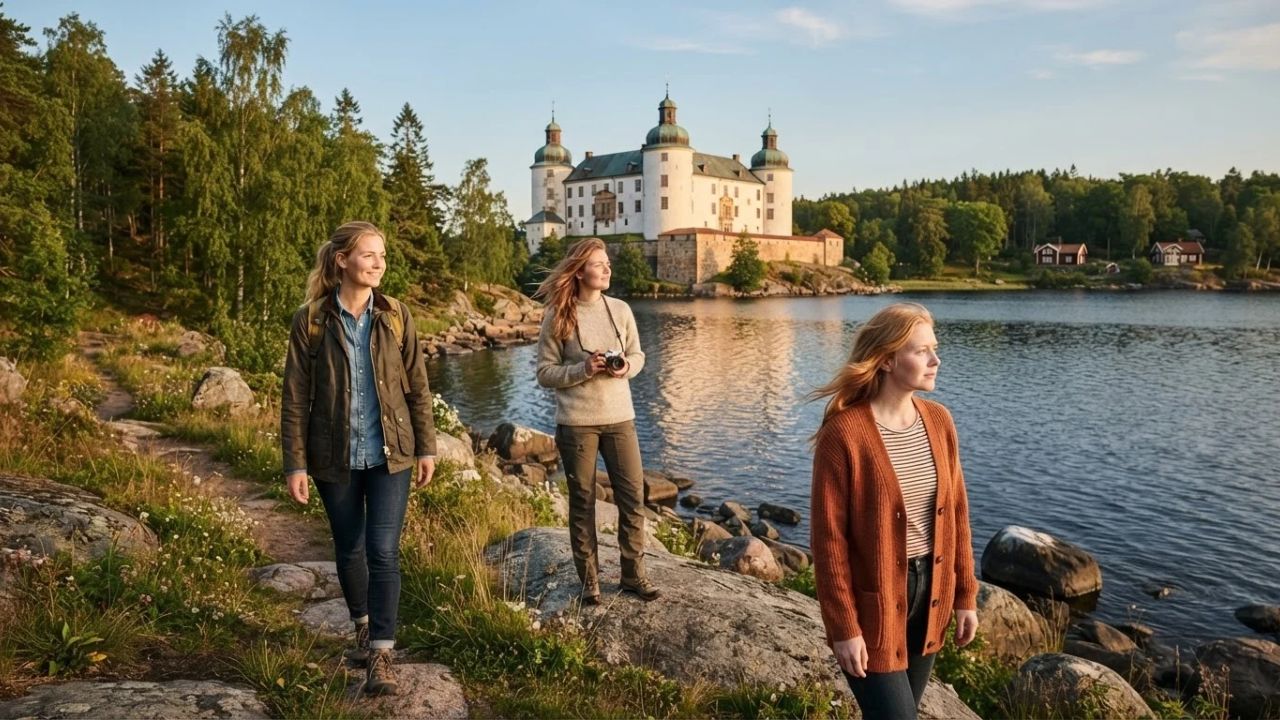
Image generated by AI
Sweden promotes its lesser-known landmarks including Läckö Castle, Söderåsen Skåne broadleaf forests, Småland, and the Gothenburg islands. Visit Sweden indicates that regional outdoor and cultural travel guides coordinate visitor distribution, supporting local accommodation operators across rural municipalities.
The Transition of Nordic Sightseeing to Slow-Paced Regional Loops
A significant trend in Scandinavian travel planning is the transition of traditional Nordic sightseeing into slow-paced regional loops. Historically, international destination boards promoted package tours focused primarily on city hubs like Stockholm or the winter northern lights in Lapland, leaving regional forests and historic lakeside castles to rely on domestic weekend vacationers. In 2026, the rise of carbon-aware travel habits, digital trail mapping, and consumer preference for low-density vacations encourages regional tourism departments to establish rural heritage loops, directing foreign visitors to explore historic municipalities and coastal islands beyond the main urban centers.
By coordinating local train and bus connections with small-town guesthouses, rural communities capture tourism spending directly. This slow-travel model coordinates support for regional park authorities, craft glassmakers, and independent harbor ferries.
Sweden's Underrated Regional Landmarks and Sourcing Parameters
The national tourism initiative focuses on highlighting distinct cultural and natural features across several key sectors:
- Läckö Castle (Lake Vänern): Located on Kållandsö island near Lidköping, this medieval-to-Baroque monument stands beside Sweden's largest lake, offering low-density gardens and lakeside walks.
- Söderåsen National Park (Skåne): Established in 2001, the protected area covers 1,625 hectares of continuous broadleaf forest, representing a successful forest recovery project. Key assets include the Skäralid valley, Odensjön lake, and the Kopparhatten viewpoint.
- Småland Countryside: Defined by its traditional red wooden homes, dense forests, thousands of lakes, and strong heritage in glassmaking and wood craftsmanship.
- Gothenburg Archipelago: A collection of car-free coastal islands situated near Gothenburg, offering rocky shorelines and traditional seafood dining.
- Öland Island: A Baltic Sea island featuring the Stora Alvaret, a vast limestone plain recognized for its rare ecosystem and ancient agricultural traces.
The promotion of these sites aims to distribute tourism traffic more evenly across Skåne, Västra Götaland, and Kalmar counties.
Sweden Rural Sourcing and Conservation Coordinates
The table below breaks down the project sectors, specific regional landmarks, active conservation scales, ecological assets, regional partners, and coordinating authorities recorded on August 24, 2026:
| Core Project Sector | Specific Landmark | Conservation Scale | Ecological Assets | Regional Partner | Coordinating Authority |
|---|---|---|---|---|---|
| Forest conservation | Söderåsen National Park | 1,625 hectares broadleaf | Skäralid & Odensjön | Skåne Regional Board | Environmental Protection |
| Heritage tourism | Läckö Castle | Kållandsö island zone | Lake Vänern shores | Lidköping Hotel Guild | Läckö Castle Foundation |
| Craft preservation | Småland rural villages | Multi-county forests | Lakes & wood craft | Kosta Boda Glassworks | Visit Sweden Board |
| Maritime culture | Gothenburg Archipelago | Car-free coastal islands | Rocky Baltic bays | Gothenburg ferry loop | Gothenburg Tourism Office |
| Ancient landscapes | Öland limestone | Stora Alvaret plain | Rare grassland soils | Kalmar County Council | Kalmar Cultural Board |
These coordinates outline the sectors, landmarks, scales, assets, partners, and authorities established for the regional conservation programs.
Resource Stewardship and Eco-Aware Nordic Travel
For the traveler, the benefit of choosing regional train lines and public bus connections to reach Läckö or Söderåsen is the reduction in carbon emissions compared to hiring private rental cars. Renting non-motorized canoes or wooden rowing boats on Lake Vänern protects the local lake water quality.
Additionally, respecting the "Right to Roam" (Allemansrätten) by packing out all personal waste preserves Sweden's protected national parks. Sourcing meals from local farm bistros in Småland coordinates direct economic support for rural agricultural families.
For comparison, you can explore the changing dynamics of Astoria Grande Makes Maiden Call at Port Said Egypt to see how regional ports expand passenger loops. For transit updates, comparing travel scheduling matches other networks, such as Ubatuba Leads 10 Hidden Brazil Tourism Gems updates. This trend is similar to the tourism growth seen in other destinations, as detailed in our guide on the Hacienda Heights Bus Fire Transport Safety regulations.
Traveler Insider Tips: Exploring Sweden's Regional Trails
If you are planning an upcoming trip to Sweden's regional landmarks, keep these practical tips in mind:
- Review Regional Bus Schedules Early: Check Västtrafik or Skånetrafiken transit tables when planning journeys to Kållandsö or Söderåsen, as rural runs can be limited during school holidays.
- Book Countryside Cabins in Advance: Reserve your traditional red wooden cabins in Småland early if traveling during the midsummer peak.
- Utilize Public Passenger Ferries: Access the Gothenburg archipelago using municipal ferries departing from Saltholmen terminal for a low-cost, car-free island crossing.
- Respect Söderåsen Park Regulations: Camp only in designated park zones and avoid foraging within the protected core of the 1,625-hectare Skåne broadleaf reserve.
- Equip Stora Alvaret Hikes Properly: Carry windbreakers and water when hiking across Öland's flat limestone plains, as shelter and shade are limited.
Long-Term Outlook for Sweden's Sustainable Travel Networks
The long-term outlook for transit is focused on introducing zero-emission electric passenger ferries to the Gothenburg islands, expanding electric vehicle charging stations across rural Småland highway corridors, and deploying digital trail sensors to monitor visitor foot traffic in Söderåsen. As interest in Nordic nature travel grows, regional environmental departments and national transportation boards will cooperate to maintain passenger standards.
By developing sustainable transit options and protecting rural ecosystems, the tourism sector aims to build a sustainable transport network.
FAQ
What are some of Sweden's most underrated historic sites?
Läckö Castle, situated on Kållandsö island beside Lake Vänern, is recognized as a key Baroque and medieval lakeside treasure.
When was Söderåsen National Park established?
The park was established in Skåne in 2001, covering 1,625 hectares of protected broadleaf forests.
What is the Stora Alvaret?
The Stora Alvaret is a vast, ancient limestone plain on Öland island, known for its unique soils and rare ecological biodiversity.
How can travelers access the Gothenburg archipelago?
The islands can be accessed using municipal public passenger ferries departing from Gothenburg's Saltholmen terminal.
Stay updated on regional travel regulations and conservation campaigns shaping Swedish transit.
Related Travel Guides
Disclaimer
This article is for informational and educational purposes only. It does not constitute legal, financial, or professional advice. While we strive to provide accurate and up-to-date information, travel policies, regulations, and conditions change rapidly. Always verify information with official sources before making travel decisions. Nomad Lawyer makes no representations about the accuracy, reliability, completeness, or suitability of the information provided. Readers should consult qualified professionals for advice specific to their circumstances. The views expressed in this article are those of the author and do not necessarily reflect the views of Nomad Lawyer.
Raushan Kumar
Founder & Lead Developer
Full-stack developer with 11+ years of experience and a passionate traveller. Raushan built Nomad Lawyer from the ground up with a vision to create the best travel and law experience on the web.
Learn more about our team →