
Stranded at Dawn Ghana: Flight Chaos Exposes Weak Passenger Protections 2026
Hundreds of travelers stranded at Ghana's Kotoka International Airport in early 2026 expose systemic weaknesses in West African passenger rights. Flight disruptions reveal gaps in airline accountability and inadequate traveler support standards.

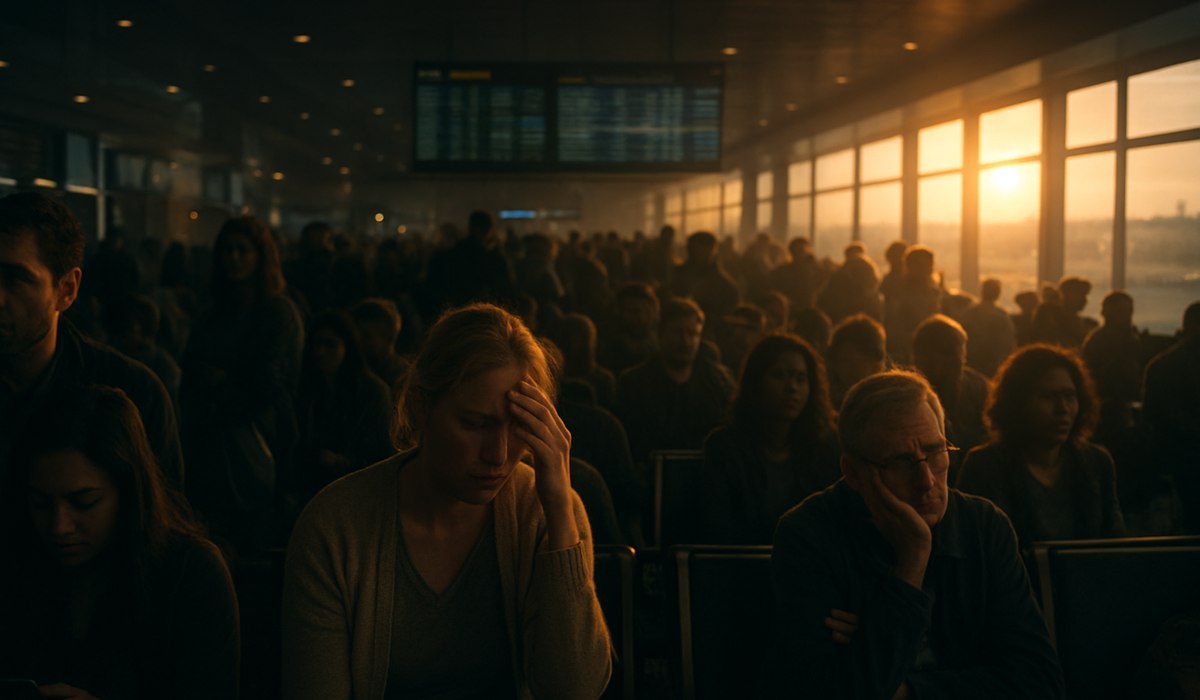
Image generated by AI
Hundreds Stranded at Ghana's Kotoka International Airport Amid Flight Chaos
Kotoka International Airport in Accra, Ghana has become the epicenter of a widespread aviation crisis affecting hundreds of passengers across multiple carriers. Early-morning flight cancellations and extended delays throughout April 2026 have exposed critical gaps in passenger protections and airline accountability across West Africa's busiest aviation hub. Domestic and regional carriers operating routes between Accra, Kumasi, Tamale, and regional destinations have grounded flights with minimal notice, forcing stranded travelers to endure confusing rebooking processes, inadequate communication, and uncertain compensation frameworks that lack clarity under Ghana's current aviation regulations.
Early Morning Disruptions Leave Travelers Without Information
The pattern of disruption at Stranded at Dawn Ghana incidents reveals a troubling reality for West African air travelers. Passengers arriving for dawn departures encountered departure boards showing "delayed" status for hours, followed by sudden cancellations before sunrise. Many travelers reported sleeping on terminal floors, unable to secure nearby hotel accommodations or receive clear guidance on rebooking alternatives.
Social media accounts and local Ghanaian media outlets documented passengers with children, elderly travelers, and those connecting to international flights facing particularly acute hardship. Announcement boards shifted without explanation. Check-in counter staff provided conflicting information about rebooking procedures and entitlements. The confusion stems partly from Ghana's lack of a comprehensive, publicly accessible passenger rights statute comparable to international standards.
According to reports, disruptions tend to peak during holiday periods when aircraft and crew schedules operate at maximum capacity. Small operational failures cascade rapidly across the network, creating compound delays and cancellations. Unlike North American and European aviation systems with established protocols, Ghanaian passengers have limited recourse when facing disruptions attributed to weather, air traffic control issues, or airline operational failures.
Passenger Compensation and Care Obligations Remain Unclear
Ghana's aviation regulatory framework lacks explicit standards defining what airlines must provide when flights are cancelled or significantly delayed. The country relies on a combination of domestic consumer protection law, airline ticket contract terms, and regional Economic Community of West African States (ECOWAS) guidelines—none of which establish binding compensation thresholds or care obligations during disruptions.
This ambiguity creates vastly different outcomes depending on individual airline policies. Some carriers voluntarily offer meal vouchers, hotel transportation, or rebooking assistance. Others provide only rebooking options, particularly when attributing disruptions to force majeure events like weather or safety concerns. Passengers struggle to determine what they can legitimately demand versus what constitutes acceptable inconvenience.
The European Union's comprehensive aviation framework, by contrast, mandates fixed compensation amounts based on flight distance, automatic meal and hotel provisions for overnight delays, and mandatory refunds when flights no longer operate. The US Department of Transportation has similarly established enforceable passenger rights standards, though enforcement mechanisms vary. Ghana has not yet adopted comparable statutory protections, leaving airlines with significant discretion in handling stranded passengers.
Consumer advocates in West Africa have repeatedly called for explicit passenger bills of rights, pointing to successful international models. However, such legislative initiatives have not yet crystallized into binding national law dedicated to air passenger protections in Ghana.
Vulnerable Travelers Face Greatest Risk During Flight Chaos
Flight disruptions disproportionately harm passengers with limited flexibility, financial resources, or complex travel itineraries. Families with young children face particular challenges when faced with overnight terminal stays or multi-hour delays without coordinated care. Elderly passengers and those with medical conditions experience heightened vulnerability when airlines provide minimal support during extended disruptions.
Passengers connecting to onward international flights face cascading complications. Missing a secondary flight creates visa compliance issues, employment scheduling conflicts, and additional rebooking costs that airlines may refuse to cover. Business travelers with tight meeting schedules experience direct financial losses when Stranded at Dawn Ghana incidents prevent timely arrival.
Low-income travelers cannot absorb hotel, meal, or transportation costs that airlines decline to reimburse. Without clear regulatory obligations, carriers have little incentive to prioritize passenger welfare when attributing disruptions to external factors. The absence of automatic compensation mechanisms in Ghana's framework means affected passengers must navigate complaint processes with uncertain outcomes.
Ghana's Aviation Hub Struggles to Match Global Standards
Kotoka International Airport serves West Africa's fastest-growing aviation market, yet operational and regulatory infrastructure has not kept pace with demand growth. The airport handles increasing passenger volume from expanding regional carriers while operating under passenger protection standards significantly weaker than those in developed markets.
Industry analysts attribute gaps to limited regulatory resources, competing infrastructure priorities, and the challenge of implementing comprehensive passenger rights frameworks across economically diverse carrier operations. Ghana's Civil Aviation Authority oversees diverse operators ranging from major regional carriers to smaller domestic airlines with varying operational capabilities and financial resources.
Modernizing Ghana's passenger protection regime would require legislative action, regulatory guidance, and industry coordination—efforts that have not yet materialized despite repeated disruption events. Meanwhile, travelers face inconsistent treatment and unpredictable outcomes when flights are cancelled or heavily delayed.
Comparing Ghana's situation to global aviation benchmarks reveals significant protection gaps. The FAA in the United States and European aviation regulators maintain detailed passenger rights standards, complaint resolution mechanisms, and enforcement authority. Ghana lacks equivalent statutory authority and enforcement infrastructure to ensure airlines comply with consistent care and compensation standards.
Live Flight Tracking and Disruption Monitoring
Travelers experiencing disruptions at Stranded at Dawn Ghana can monitor flight status through FlightAware, which provides real-time tracking, delay information, and historical disruption data for flights operating in Ghana and West Africa. FlightAware allows passengers to identify patterns in airline reliability and specific route vulnerabilities.
Monitoring historical disruption data helps travelers understand which carriers and routes experience elevated cancellation or delay risks. During periods of widespread chaos like the April 2026 disruptions, FlightAware provides transparency that Kotoka International Airport's public communication systems often lack.
Current Disruption Data and Affected Routes
| Affected Route | Primary Carriers | Estimated Passengers Stranded | Typical Delay Range | Primary Disruption Cause | Compensation Status |
|---|---|---|---|---|---|
| Accra to Kumasi (Domestic) | Regional carriers | 200+ | 4-8 hours | Crew scheduling conflicts | Unclear/Disputed |
| Accra to Tamale (Domestic) | Multiple operators | 150+ | 6-12 hours | Aircraft maintenance delays | Meal vouchers only |
| Accra to Lagos (Regional) | Pan-African carriers | 120+ | 3-6 hours | Air traffic control congestion | Rebooking only |
| Accra to Abidjan (Regional) | Francophone carriers | 100+ | 5-9 hours | Weather-related groundings | Hotel assistance varies |
| Accra to Dakar (Regional) | West African network | 80+ | 4-7 hours | Operational failures | Minimal support |
| Accra to Casablanca (Regional) | Major carriers | 60+ | 3-5 hours | Scheduling conflicts | Compensation disputed |
What This Means for Travelers
Stranded at Dawn Ghana incidents demonstrate the critical importance of understanding your rights before traveling through West African aviation hubs. Here are actionable steps to protect yourself:
-
Research your airline's specific policies on meal vouchers, hotel accommodation, and rebooking procedures before purchasing tickets—written policies provide leverage when disputes arise.
-
Document all expenses incurred due to disruptions, including meals, hotels, transportation, and communication costs, with receipts for potential compensation claims.
-
Request written confirmation of rebooking arrangements, compensation commitments, and care provisions directly from airline representatives rather than relying on verbal assurances.
Disclaimer
This article is for informational and educational purposes only. It does not constitute legal, financial, or professional advice. While we strive to provide accurate and up-to-date information, travel policies, regulations, and conditions change rapidly. Always verify information with official sources before making travel decisions. Nomad Lawyer makes no representations about the accuracy, reliability, completeness, or suitability of the information provided. Readers should consult qualified professionals for advice specific to their circumstances. The views expressed in this article are those of the author and do not necessarily reflect the views of Nomad Lawyer.
Preeti Gunjan
Contributor & Community Manager
A passionate traveller and community builder. Preeti helps grow the Nomad Lawyer community, fostering engagement and bringing the reader experience to life.
Learn more about our team →