
Iran Grants Humanitarian Passage Through Strait of Hormuz
Iran allows humanitarian passage through the Strait of Hormuz, impacting global oil flows and travel restoration in several countries.

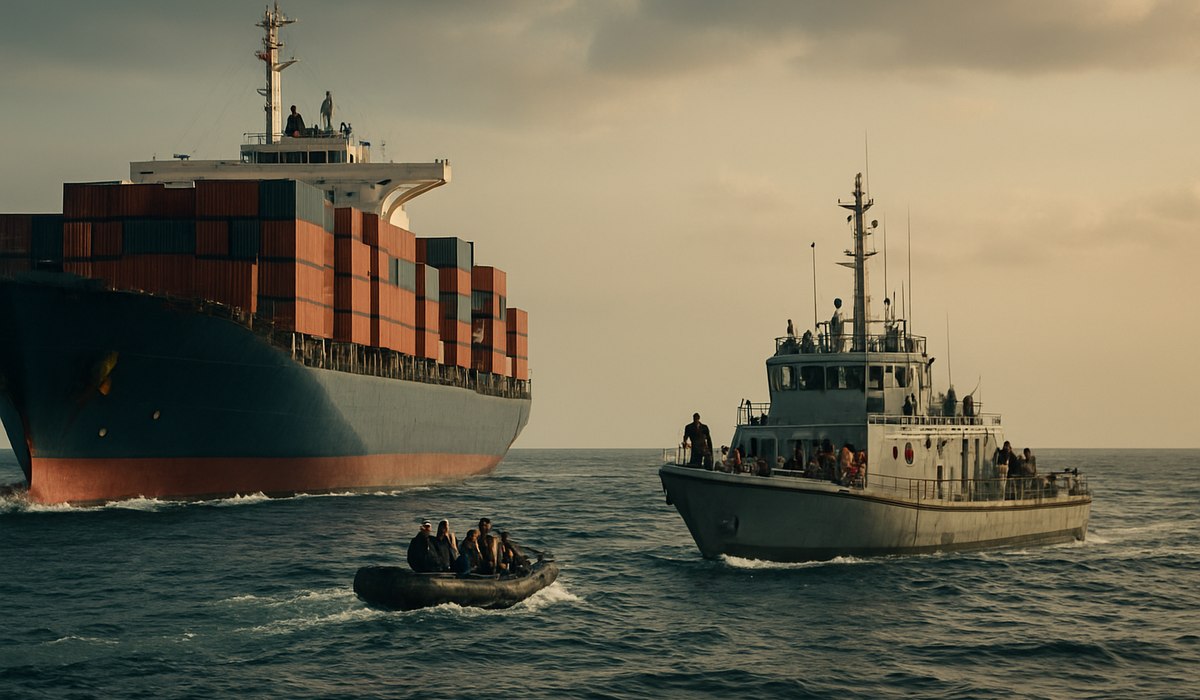
Image generated by AI
Iran has initiated a humanitarian passage through the Strait of Hormuz, allowing select countries to resume travel and stabilize oil supplies. This development follows a period of restricted access due to geopolitical tensions, impacting global shipping and energy markets. Countries such as China, Thailand, Malaysia, India, Indonesia, Bangladesh, the Philippines, and Sri Lanka are witnessing a restoration of travel and trade routes as a result.
The Strait of Hormuz, a critical chokepoint for global oil transportation, has been under a selective blockade managed by Iran’s Islamic Revolutionary Guard Corps. This has led to a drastic reduction in daily vessel traffic and oil flow, with only a fraction of transit requests being approved. The blockade has caused a significant drop in oil supply, increased insurance costs, and forced major oil exporters to reroute their supply chains.
What Guests Get
- Priority Passage: Countries aligned with Iran receive priority in transit approvals, ensuring stable energy supplies.
- Reduced Insurance Costs: Nations with approved passage avoid the steep insurance hikes affecting others.
- Stable Energy Prices: Access to the Strait helps maintain stable domestic fuel prices amid global volatility.
- Uninterrupted Supply Chains: Countries like China and India benefit from continuous oil and LNG supplies.
- Economic Resilience: Strategic approvals help nations avoid energy crises and sustain economic growth.
What This Means for Travelers
Travelers can expect a gradual normalization of travel routes and costs in the affected regions. The restoration of shipping lanes through the Strait of Hormuz is likely to stabilize fuel prices, which can lead to more predictable airfare and travel expenses. However, travelers should remain informed about potential geopolitical developments that could impact travel plans.
FAQ
What is the current status of the Strait of Hormuz?
The Strait is under a selective blockade, with Iran granting passage to certain nations. This has resulted in a significant reduction in global oil flows and increased shipping costs.
How does this affect global oil prices?
The restricted access has led to a drop in oil supply, causing price volatility. However, nations with approved passage are experiencing more stable prices.
Which countries benefit from Iran's passage approval?
Countries such as China, India, and Malaysia benefit from prioritized transit approvals, ensuring stable energy supplies and reduced insurance costs.
For more information on the geopolitical implications of the Strait of Hormuz, visit Reuters and BBC News.
Related Travel Guides
Disclaimer
This article is for informational and educational purposes only. It does not constitute legal, financial, or professional advice. While we strive to provide accurate and up-to-date information, travel policies, regulations, and conditions change rapidly. Always verify information with official sources before making travel decisions. Nomad Lawyer makes no representations about the accuracy, reliability, completeness, or suitability of the information provided. Readers should consult qualified professionals for advice specific to their circumstances. The views expressed in this article are those of the author and do not necessarily reflect the views of Nomad Lawyer.
Raushan Kumar
Founder & Lead Developer
Full-stack developer with 11+ years of experience and a passionate traveller. Raushan built Nomad Lawyer from the ground up with a vision to create the best travel and law experience on the web.
Learn more about our team →