
Severe Spring Storms and Operational Strain Trigger Cascading Flight Delays from JFK to Florida
Breaking airline news and aviation industry updates for 2026.

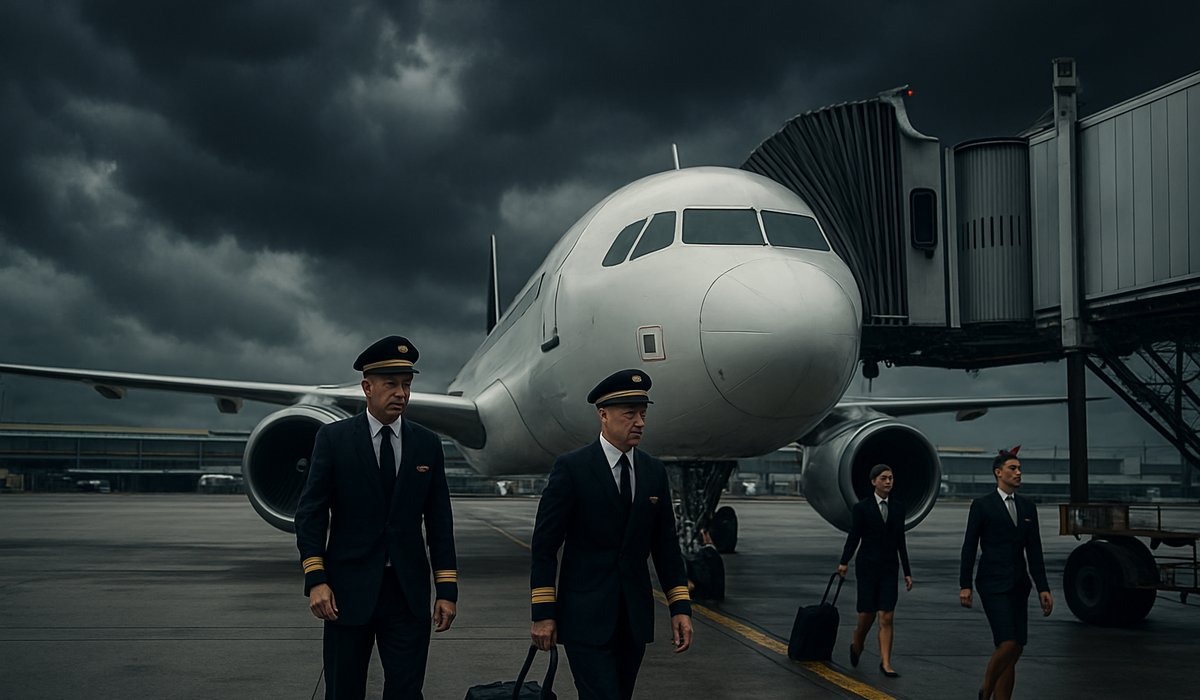
Image generated by AI
Severe Spring Storms and Operational Strain Trigger Cascading Flight Delays from JFK to Florida
Powerful weather systems compound existing bottlenecks at Northeast hubs, leaving thousands of passengers stranded
Weather and Infrastructure Collide, Disrupting Critical Air Corridor
A powerful spring storm system moved across the northeastern United States in early April 2026, unleashing widespread flight disruptions at New York's John F. Kennedy International Airport and forcing significant delays for passengers traveling to Florida destinations. The severe weather event, combining thunderstorms and heavy precipitation, intersected with already-strained airline operations and congestion at major Florida aviation hubs, creating a cascading effect that rippled through schedules for hours.
According to aviation tracking data, the atmospheric system on April 5-6 substantially slowed air traffic control operations across New York's airspace, triggering ground delay programs that backed up aircraft departures and arrivals. The resulting congestion transformed what should have been routine Florida-bound flights into lengthy ordeals, with aircraft held at gates and taxiways as air traffic management prioritized safety over schedule adherence.
Compounding Challenges in an Already-Taxed System
The April disruptions arrive amid a particularly turbulent first quarter for Northeast aviation. Industry monitors documented a historic February blizzard followed by multiple March storm systems that had already tested airline capacity and ground infrastructure. Those earlier events left aircraft out of position, crews fatigued, and maintenance backlogs mounting—vulnerabilities that the April system immediately exploited.
Early-morning departures from JFK suffered the worst impacts, with flight cancellations and multi-hour delays pushing aircraft rotations out of sync. For airlines operating on razor-thin turnaround schedules between New York and major Florida airports, this dislocation proved catastrophic, forcing cascade delays that extended well into afternoon and evening operations.
Regional Weather Exposure Creates Chronic Vulnerability
New York consistently ranks among America's most weather-disrupted metropolitan aviation markets. Geographic exposure to Atlantic coastal systems, rapidly evolving frontal boundaries, and seasonal thunderstorm development create a perfect storm for schedule disruptions. Florida routes—among the busiest from JFK—face particular vulnerability, relying on efficient aircraft utilization that severe weather immediately jeopardizes.
The aviation industry faces mounting pressure to build operational resilience against climate volatility while managing fuel costs, airline staffing constraints, and infrastructure limitations that continue to challenge network efficiency.
FAQ: JFK Delays and Northeast Aviation Disruptions
Q: How do spring storms impact airline baggage charges and travel costs? A: Extended delays often trigger additional crew hour expenses, fuel surcharges, and accommodation costs that some carriers partially pass to passengers through airline fees and baggage charges.
Q: Why is JFK particularly vulnerable to weather-related flight delays? A: Its location along the Atlantic corridor and exposure to coastal weather systems, combined with high traffic volume, creates chronic congestion during adverse conditions.
Q: How do jet fuel prices influence airline operations during disrupted schedules? A: Held aircraft burn fuel without revenue generation, forcing carriers to absorb costs that may eventually reflect in increased baggage charges and booking fees.
Q: What should travelers do when facing Florida-bound delays from JFK? A: Contact your airline immediately, document delays, and request rebooking options; check airline policies regarding meal vouchers and accommodation during extended waits.
Q: Are April storms typical for the aviation industry along this corridor? A: Spring weather disruptions are increasingly common in Northeast aviation, though 2026's frequency suggests shifting patterns affecting annual travel planning and airline scheduling.
Related Travel Guides
Flight Delay Compensation Guide 2026
Understanding Airline Route Changes
Airport Security Process Updated (2026)
External Resources
Disclaimer
This article is for informational and educational purposes only. It does not constitute legal, financial, or professional advice. While we strive to provide accurate and up-to-date information, travel policies, regulations, and conditions change rapidly. Always verify information with official sources before making travel decisions. Nomad Lawyer makes no representations about the accuracy, reliability, completeness, or suitability of the information provided. Readers should consult qualified professionals for advice specific to their circumstances. The views expressed in this article are those of the author and do not necessarily reflect the views of Nomad Lawyer.
Kunal K Choudhary
Co-Founder & Contributor
A passionate traveller and tech enthusiast. Kunal contributes to the vision and growth of Nomad Lawyer, bringing fresh perspectives and driving the community forward.
Learn more about our team →