
Storm Related Disruptions Snarl 116 Flights at Detroit Metro Hub
A major Midwest thunderstorm system triggered storm related disruptions affecting 116 flights at Detroit Metropolitan Wayne County Airport on April 11, 2026, exposing hub-and-spoke network vulnerabilities.

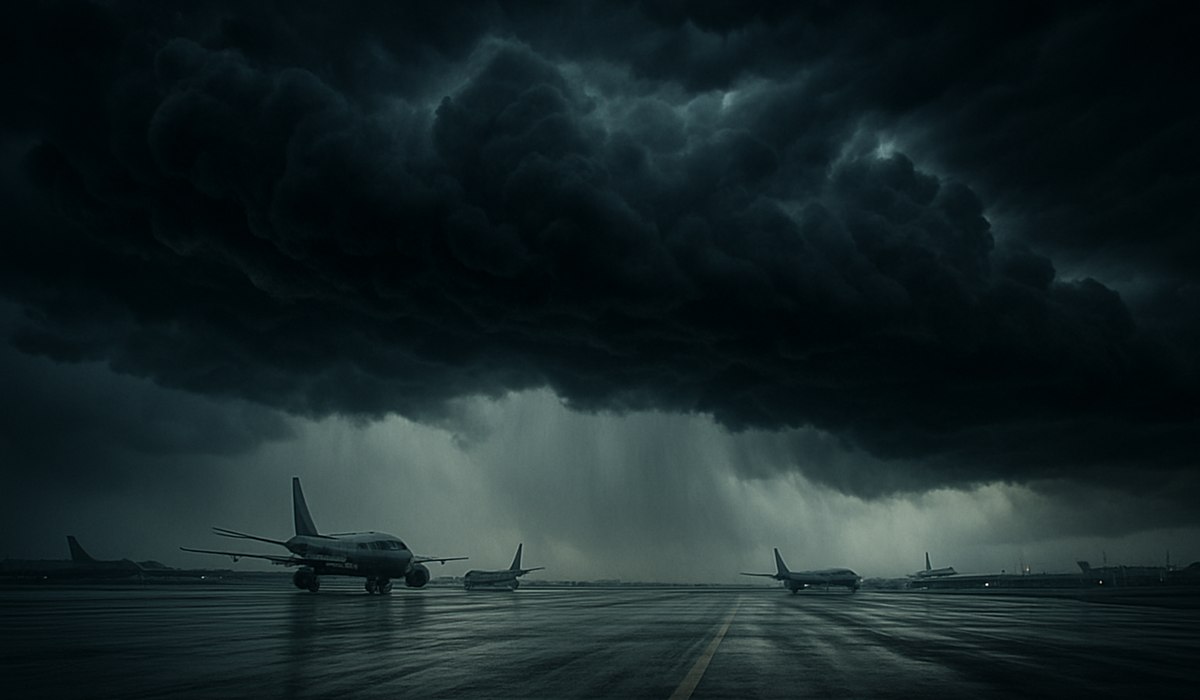
Image generated by AI
Thunderstorms Snarl 116 Flights at Detroit Metropolitan Hub
A severe weather system sweeping through the Great Lakes region triggered widespread storm related disruptions at Detroit Metropolitan Wayne County Airport, cascading delays and cancellations across one of North America's busiest aviation hubs. On April 11, 2026, thunderstorms and low visibility constrained operations, affecting 116 combined departures and arrivals. The disruption underscored how concentrated hub-and-spoke networks amplify the impact of localized weather events, sending ripple effects across connected routes nationwide.
Storm System Ripples Through Midwest Air Travel
The weather system that generated storm related disruptions at Detroit Metro moved across the Great Lakes region during peak travel hours, triggering Federal Aviation Administration traffic management initiatives. Publicly available flight-tracking data from FlightAware documented the escalating snarl as meteorological conditions deteriorated throughout the morning and early afternoon.
Detroit Metro's strategic role as a major connecting hub meant that even temporary airspace restrictions immediately cascaded into operational challenges across multiple airlines. Aircraft scheduled to depart Detroit for Cleveland, Chicago, Atlanta and New York faced extended ground holds. Simultaneously, inbound flights from those hubs arrived late, depleting crew availability and positioning aircraft for subsequent legs.
Industry analysts note that hub-dependent networks create vulnerability during localized storm events. When one major airport experiences weather-related constraints, the effects propagate upstream and downstream through the entire network. Passengers connecting through Detroit found themselves stranded as onward flights were pushed back, creating a domino effect that lasted well into evening operations.
How Hub-and-Spoke Networks Amplify Weather Disruptions
Modern airline networks concentrate vast passenger volumes through a small number of major hubs. Detroit Metro processes hundreds of connections daily across regional, domestic and transatlantic routes. This concentration makes hubs particularly susceptible to weather-related cascade failures.
During the April 2026 event, a single four-hour weather window generated storm related disruptions affecting aircraft and crews across multiple time zones. Flights that never encountered the storm—departures from Atlanta bound for Boston, for example—experienced delays because their scheduled equipment was stuck in Detroit recovery operations.
The hub-and-spoke model prioritizes efficiency during normal operations but reveals critical fragility during disruption events. Airlines operate with minimal schedule buffers and aircraft slack time, meaning even modest delays propagate exponentially. Crew duty time regulations further constrain recovery options, preventing carriers from simply extending flight crew shifts to catch up.
Nomadic professionals and frequent travelers should understand that storm related disruptions at major hubs like Detroit, Chicago, Dallas and Atlanta pose greater travel risks than disruptions at smaller airports. A weather event in Milwaukee might cause minimal industry disruption; the identical event in Detroit affects thousands of connecting passengers across six states.
Delays Outpace Cancellations as Airlines Preserve Schedules
Analysis of April 11 operations showed that approximately 89 of the 116 affected flights experienced delays rather than outright cancellations. This pattern reflects deliberate airline strategy: carriers prefer to hold aircraft on the ground temporarily, hoping to depart once weather conditions improve, rather than cancel and face passenger rebooking requirements.
When airlines cancel flights, they assume legal and financial obligations including rebooking passengers on competing carriers and, for flights delayed more than three hours, potential compensation under Department of Transportation regulations. Ground delays avoid these liabilities while maintaining schedule integrity.
However, this strategy imposes significant costs on passengers. Travelers experience extended gate holds, tarmac confinement and missed connections. The snarl created by delayed departures often proves more frustrating than proactive cancellations, which allow passengers to adjust plans earlier.
Airlines operating complex schedules at Detroit Metro carefully modulate departure rates during disruption recovery phases. Rather than releasing all aircraft simultaneously once weather clears, carriers stagger departures to avoid overwhelming air traffic control capacity and prevent secondary delays. This measured approach extends the duration of the snarl across the airport ecosystem.
Knock-On Effects for Crews, Aircraft and Connecting Passengers
The operational mathematics of storm related disruptions extend far beyond the initial weather event. Each delayed aircraft creates a secondary disruption for its next scheduled flight. Each delayed crew member affects all subsequent legs in their assigned rotation.
On April 11, passengers booking connections through Detroit Metro faced cascading rebooking challenges. A passenger scheduled to depart Detroit at 2:15 p.m. for Miami on a flight that experienced weather-related delays might miss a 5:30 p.m. cruise embarkation. Airlines face limited options for accommodating such passengers when surrounding airports experience identical storm activity.
Industry data indicates that recovery from major hub disruptions typically requires two to three full schedule cycles. Aircraft must be repositioned, crew duty times must be reset per FAA regulations, and ground services must clear the backlog of stranded passengers. During this recovery window, schedule reliability and on-time performance metrics suffer measurably.
The April 2026 Detroit event likely affected connectivity through Atlanta, Chicago and New York hubs as well, since the same weather system created challenges across multiple states. Passengers connecting through multiple hubs faced compounding delays. Those with tight international connections frequently missed their flights despite arriving at their first hub on time.
What Nomadic Professionals Should Know About Hub Disruptions
Frequent travelers and remote workers relying on predictable flight schedules should carefully evaluate routing options during storm season (April through October and December through March). Direct flights eliminate hub-dependent vulnerability but remain limited on many routes.
When hub disruptions occur, passengers with elite frequent flyer status receive prioritization for rebooking. Nomadic professionals should consider accumulating status with carriers that operate major hubs on their preferred routes. Status provides meaningful advantages during disruption recovery operations.
Real-time monitoring tools prove essential during travel days when weather systems develop. The FAA provides current airport delay information, while airline apps deliver flight-specific alerts. Passengers who receive delay notifications early often secure better rebooking options before extended queues form at customer service counters.
Traveler Action Checklist
-
Monitor weather forecasts for your departure region 48 hours before travel; major storm systems typically receive 24+ hour advance notice.
-
Enable flight alerts through your airline's mobile app and set notifications for status changes, departure time modifications and cancellations.
-
Check airport delay information on the FAA's website before heading to the airport on weather-uncertain days.
-
Arrive early if traveling through major hubs during spring or fall; expect 30-60 minute ground hold extensions during active weather systems.
-
Photograph your booking confirmation and note your airline's customer service phone number; this information proves critical if you're separated from your phone or experience connectivity issues.
-
Understand your passenger rights under Department of Transportation rules by reviewing the US DOT airline consumer protection page; carriers must rebook you on later flights or alternate carriers when weather causes cancellations.
-
Consider trip insurance if your travel supports time-sensitive plans (cruises, events, connections); weather-related delay coverage provides financial protection when flights snarl unexpectedly.
-
Ask about schedule changes proactively; airline agents may offer perks or alternative routing if you inquire rather than wait for automated notifications.
Key Data: April 11, 2026 Detroit Metro Storm Disruptions
| Metric | Details |
|---|---|
| Total Affected Flights | 116 departures and arrivals |
| Delays vs. Cancellations | 89 delayed, 27 cancelled |
| Primary Cause | Thunderstorms and low visibility across Great Lakes region |
| Peak Impact Window | 9:00 a.m. |
Disclaimer
This article is for informational and educational purposes only. It does not constitute legal, financial, or professional advice. While we strive to provide accurate and up-to-date information, travel policies, regulations, and conditions change rapidly. Always verify information with official sources before making travel decisions. Nomad Lawyer makes no representations about the accuracy, reliability, completeness, or suitability of the information provided. Readers should consult qualified professionals for advice specific to their circumstances. The views expressed in this article are those of the author and do not necessarily reflect the views of Nomad Lawyer.
Raushan Kumar
Founder & Lead Developer
Full-stack developer with 11+ years of experience and a passionate traveller. Raushan built Nomad Lawyer from the ground up with a vision to create the best travel and law experience on the web.
Learn more about our team →