
Stadler Withdraws Swiss EMU Appeal Against SBB's €2.48bn Siemens Contract
Swiss train manufacturer Stadler has withdrawn its Federal Administrative Court appeal against SBB's €2.48bn contract award to Siemens for 116 double-deck electric multiple units in 2026, citing insufficient tender transparency.

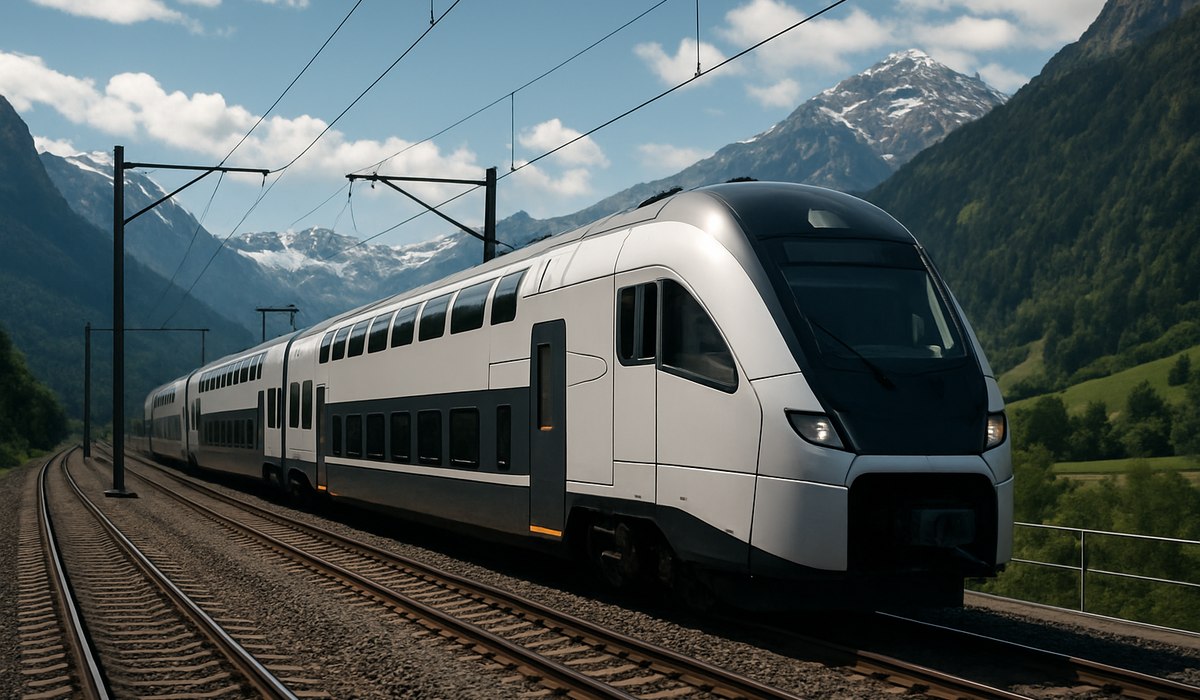
Image generated by AI
Stadler Ends Legal Challenge to SBB Contract Decision
Stadler has officially withdrawn its Federal Administrative Court appeal against Swiss Federal Railways' decision to award Siemens Mobility a landmark framework contract for 116 double-deck electric multiple units valued at €2.48 billion. The withdrawal, announced on April 7, 2026, concludes a four-month legal battle that began when Siemens was named as the preferred bidder in November 2025. Despite gaining some procedural insights during court proceedings, the Swiss manufacturer determined it lacked sufficient transparency to sustain its legal challenge. Stadler's decision marks a significant shift in European railway procurement dynamics, with implications for fleet modernization across the continent.
Transparency Concerns Remain Unresolved
The core issue driving Stadler withdraws Swiss proceedings centered on limited access to tender documentation. According to Stadler's statement, "numerous documents from the tender remained completely redacted," preventing the manufacturer from reviewing "passages relevant to the substance of the case and crucial evidence regarding the award decision." Despite extensive court engagement, the company achieved only partial transparency rather than the comprehensive disclosure it sought.
Peter Spuhler, Stadler's board chairman, acknowledged the frustration while accepting the outcome. "We continue to regret the decision, but must accept it on the basis of the information available to us," he stated. This transparency gap raises broader questions about European procurement practices and bidder access to competitive evaluation data. The redaction of critical tender materials limited Stadler's ability to mount a substantive challenge, even though SBB employed approximately 100 specialists to conduct objective evaluations. For more on European rail procurement standards, visit the European Union Railway Agency's official guidance portal.
SBB Moves Forward with Siemens Contract
With the appeal withdrawn, SBB confirmed that contract signing with Siemens will proceed as planned. The national operator emphasized that its evaluation process demonstrated Siemens's "clear lead" across individual assessment criteria. Delivery timelines remain unchanged, with the first electric multiple units scheduled for handover beginning in 2031.
SBB's commitment to the Siemens partnership reflects confidence in the manufacturer's new design platform, despite its pre-production status. The contract encompasses a firm order for 116 trains with provisions for up to 200 units across the framework agreement. This substantial investment positions Switzerland's rail network at the forefront of European fleet modernization, though traveler experience will remain dependent on operational integration with existing infrastructure.
Proven Platform vs. Emerging Technology
The procurement decision created tension between proven reliability and technological advancement. Stadler's Kiss platform boasts an impressive operational record, with 153 EMUs currently delivering daily service to SBB customers. The manufacturer highlighted 99% average availability across its existing fleet—a metric demonstrating real-world performance.
Conversely, Siemens's winning design represents new technology not yet in production. SBB's selection prioritizes innovation and future capability over established track records. This choice reflects strategic thinking about long-term fleet modernization, though it introduces operational risks inherent to first-of-type deployments. European rail operators including Deutsche Bahn and SNCF have previously faced challenges with new platforms during initial service phases, underscoring the complexity of such decisions.
Impact on European Railway Competition
The stadler withdraws swiss development signals shifting patterns in continental rail procurement. Major equipment manufacturers now navigate increasingly complex tender processes with limited competitive visibility. This procurement model may influence how competitors approach future European contracts, potentially affecting innovation timelines and pricing strategies across the sector.
The outcome demonstrates that even well-established manufacturers with proven products face headwinds when competing against strategic industry partnerships. Stadler's withdrawal, while preserving working relationships with SBB, leaves unresolved questions about procurement transparency standards across European national operators. Future bidders may encounter similar documentation barriers, potentially consolidating advantages for larger multinational suppliers.
| Aspect | Details | Impact on Travelers |
|---|---|---|
| Contract Value | €2.48 billion | Significant investment in modernized fleet |
| Train Quantity (Firm Order) | 116 double-deck EMUs | Increased seating capacity across SBB network |
| Maximum Framework Total | Up to 200 units | Potential for network-wide modernization |
| First Delivery Date | 2031 onwards | Multi-year transition period for fleet upgrades |
| Competitor Evaluation Time | 4 months (Nov 2025–Apr 2026) | Standard for major European procurement disputes |
| Existing Kiss Fleet Performance | 153 units, 99% availability | Baseline for comparison with new Siemens technology |
What This Means for Travelers
The SBB contract award carries direct consequences for Switzerland's rail passengers:
1. Fleet Modernization Timeline: Beginning in 2031, travelers will gradually encounter double-deck EMUs offering expanded seating capacity and updated passenger amenities. However, the transition will occur incrementally, with existing Kiss trains remaining in service alongside new equipment.
2. Service Continuity During Integration: SBB's existing 153 Kiss EMUs maintain their 99% availability rate, ensuring reliable service while Siemens trains enter operations. Travelers should expect minimal disruption during the multi-year fleet transition.
3. Capacity Improvements: Double-deck configurations increase passenger capacity per train, potentially reducing crowding on popular routes and improving travel experience during peak periods.
4. Technology Investment Risks: As first-generation Siemens units, early operational challenges may emerge. Travelers should remain flexible during the initial deployment phases, as manufacturers typically address performance issues within the first operational years.
5. Regional Network Effects: Fleet modernization across SBB's network will eventually standardize passenger experience, equipment reliability, and digital connectivity across Swiss rail services.
Frequently Asked Questions
Why did Stadler withdraw its appeal if it believed SBB made the wrong decision?
Stadler lacked access to redacted tender documents essential for substantive legal arguments. Without comprehensive transparency into SBB's evaluation methodology, the manufacturer determined continuing litigation held minimal success probability. The company preserved its relationship with SBB while acknowledging regulatory constraints.
What was the primary difference between Stadler's Kiss and Siemens's winning design?
Stadler offered proven technology with 153 units already delivering 99% availability in SBB service. Siemens proposed new-generation equipment not yet in production, representing technological advancement but introducing operational unknowns typical of first-type deployments across European rail networks.
When will travelers notice changes from the new contract?
Siemens train deliveries begin in 2031, meaning Swiss rail passengers will gradually encounter new equipment over subsequent years. Current SBB travelers will continue experiencing existing Kiss EMUs throughout the 2026–2030 period, with gradual fleet modernization thereafter.
Could other European operators face similar procurement transparency issues?
Yes, procurement confidentiality provisions remain standard across European national railways. However, this case highlights ongoing debates about transparency versus competitive sensitivity in major equipment contracts affecting multiple manufacturers.
Related Travel Guides
Explore more insights on European railway modernization and travel impacts:
- How Swiss Rail Network Modernization Affects Tourist Travel in 2026
- Understanding European EMU Technology: What Passengers Should Know
- SBB Fleet Evolution: A Decade of Swiss Rail Upgrades
Disclaimer
This article synthesizes publicly available information from SBB official statements, Stadler corporate announcements, and International Railway Journal reporting dated April 7–8, 2026. While
Disclaimer
This article is for informational and educational purposes only. It does not constitute legal, financial, or professional advice. While we strive to provide accurate and up-to-date information, travel policies, regulations, and conditions change rapidly. Always verify information with official sources before making travel decisions. Nomad Lawyer makes no representations about the accuracy, reliability, completeness, or suitability of the information provided. Readers should consult qualified professionals for advice specific to their circumstances. The views expressed in this article are those of the author and do not necessarily reflect the views of Nomad Lawyer.
Kunal K Choudhary
Co-Founder & Contributor
A passionate traveller and tech enthusiast. Kunal contributes to the vision and growth of Nomad Lawyer, bringing fresh perspectives and driving the community forward.
Learn more about our team →