
SriLankan Airlines Restructured: Government Forms Expert Committee 2026
Sri Lanka's government announces expert committee to restructure debt-laden SriLankan Airlines in 2026. The carrier faces over USD 2 billion in accumulated losses after failed privatization attempts.

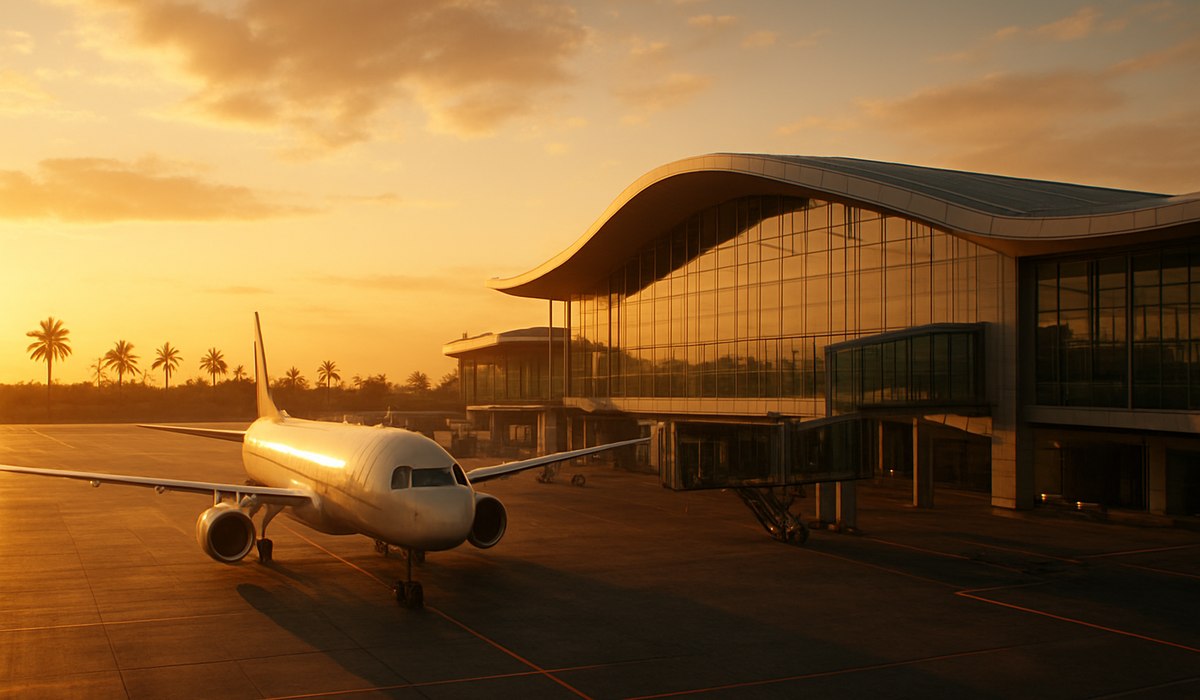
Image generated by AI
Sri Lanka's Government Announces SriLankan Airlines Restructured Initiative
Sri Lanka's government has formally announced a comprehensive restructuring plan for SriLankan Airlines, establishing a specialized expert committee tasked with overhauling the nation's struggling carrier. The decision comes as the airline confronts accumulated losses exceeding USD 2 billion, making it increasingly difficult to sustain operations without dramatic intervention. This restructuring announcement marks a significant shift in government policy after previous privatization initiatives failed to attract sufficient investor interest or capital.
The expert committee will focus on transforming SriLankan Airlines into a financially sustainable operation while maintaining essential domestic and regional connectivity. Officials aim to reduce the fiscal burden on taxpayers while preserving the airline's role as a strategic national asset serving Colombo's Bandaranaike International Airport and regional destinations across South Asia.
SriLankan Airlines' Financial Crisis Explained
SriLankan Airlines has endured persistent financial difficulties for over a decade, accumulating USD 2 billion in operational deficits. The airline's challenges stem from multiple factors: high operating costs, intense regional competition, aging aircraft requiring expensive maintenance, and limited route profitability outside hub operations.
The carrier operates approximately 100 daily flights from Colombo, serving destinations across Asia, the Middle East, and Europe. However, revenue generation has consistently fallen short of expenses, requiring continuous government subsidies to prevent complete operational collapse. Previous attempts to privatize the airline encountered resistance from potential investors concerned about the massive debt burden and structural inefficiencies embedded in its operations.
The restructuring initiative represents the government's acknowledgment that privatization alone cannot resolve these systemic issues. Instead, internal organizational transformation, operational efficiency improvements, and strategic route optimization will drive the recovery effort alongside potential equity partnerships or management restructuring.
Government's Restructuring Plan: Strategic Priorities
The expert committee established by Sri Lanka's government will examine every operational dimension of SriLankan Airlines. Their mandate includes analyzing fleet composition, route profitability, staffing structures, fuel procurement strategies, and technology infrastructure investments.
Key restructuring priorities include identifying unprofitable routes for potential discontinuation, consolidating overlapping services, and modernizing the airline's aging aircraft fleet through strategic leasing arrangements rather than capital-intensive purchases. The committee will also evaluate operational partnerships with regional carriers to improve connectivity and revenue sharing opportunities.
Timeline expectations suggest preliminary recommendations within six months, with implementation phases extending over 18-24 months. The government seeks to achieve operational breakeven status within three years, reducing annual subsidies from current levels approaching USD 300 million annually. This target requires approximately 15-20% cost reduction across operations while simultaneously improving revenue per available seat kilometer through strategic pricing and capacity management.
Why Previous Privatization Attempts Failed
Sri Lanka's government launched multiple privatization initiatives since 2015, attempting to divest majority or minority stakes in SriLankan Airlines to international aviation partners. These efforts consistently failed to materialize due to several critical obstacles.
Potential investors conducted due diligence and identified fundamental structural challenges: negative balance sheets, labor agreements restricting operational flexibility, aircraft lease obligations extending decades into the future, and regulatory constraints limiting route autonomy. The USD 2 billion cumulative debt represented an insurmountable barrier for most potential acquirers unwilling to absorb such massive financial liabilities.
Additionally, geopolitical factors influenced investor hesitation. International aviation partners expressed concerns regarding Sri Lanka's economic stability, currency volatility, and regulatory environment. The airline's strategic importance to national transportation infrastructure also complicated negotiations, as the government remained reluctant to surrender operational control to foreign entities.
The shift toward internal restructuring acknowledges that privatization cannot occur until the airline achieves fundamental financial stability. The expert committee's work aims to create conditions where future private partnerships become economically viable and attractive to sophisticated aviation investors.
Impact on Operations and Routes
The restructuring initiative will inevitably affect SriLankan Airlines' current operations and route network. While the government emphasizes continuity of essential services, some route rationalization appears inevitable given financial constraints.
High-frequency services on profitable regional routes serving India, Thailand, and Singapore will likely expand or maintain current capacity. Conversely, marginal international services showing persistent losses may face consolidation or discontinuation. Domestic services connecting Colombo to secondary cities will be evaluated for frequency optimization.
Passengers should monitor airline announcements for route changes, schedule modifications, or service adjustments. While SriLankan Airlines maintains its safety certifications and operational licenses, service quality improvements depend on successful fleet modernization and staffing enhancements outlined in the restructuring plan.
The restructuring timeline suggests most significant changes will occur during 2027-2028, allowing adequate notice for business travelers and leisure passengers to adjust booking patterns. The airline continues normal operations during the committee's review process, with no immediate service disruptions anticipated in the short term.
Key Data: SriLankan Airlines Restructuring Facts
| Metric | Details |
|---|---|
| Accumulated Losses | USD 2+ billion since early 2010s |
| Annual Subsidy Requirements | Approximately USD 300 million |
| Daily Flight Operations | ~100 flights from Colombo hub |
| Primary Hub | Bandaranaike International Airport, Sri Lanka |
| Fleet Age | Average 12+ years (Airbus A330, A320 variants) |
| Committee Timeline | Recommendations within 6 months, implementation 18-24 months |
| Government Target | Operational breakeven within 3 years |
| Regional Routes | India, Thailand, Singapore, Maldives, Bangladesh |
| International Services | Middle East, Europe, Asia-Pacific destinations |
| Workforce | Approximately 5,500+ employees |
What This Means for Travelers
The SriLankan Airlines restructured initiative carries several important implications for business and leisure passengers booking flights from Colombo or on connecting services.
Traveler Action Checklist:
-
Monitor official announcements on SriLankan Airlines' website and social media for route changes, schedule modifications, or service adjustments through 2026-2027.
-
Book refundable or flexible tickets when possible, given potential service discontinuations on specific routes during the restructuring period.
-
Verify flight status regularly using FlightAware to track any operational changes or schedule disruptions affecting your planned travel.
-
Check passenger rights resources through the US Department of Transportation if you hold tickets on cancelled or significantly modified flights.
-
Contact SriLankan Airlines directly before travel for confirmation of route availability and current operational status of your booked service.
-
Consider booking alternative carriers for essential business travel until restructuring milestones demonstrate operational stabilization and service consistency.
-
Understand your compensation rights under aviation consumer protection regulations if your flight experiences cancellation or significant delays during the restructuring period.
The restructuring should ultimately improve long-term service reliability and operational consistency once implementation phases conclude. However, the transition period requires proactive passenger communication and booking flexibility.
Frequently Asked Questions
Q: Will SriLankan Airlines continue operating during the restructuring process?
A: Yes, SriLankan Airlines maintains full operational licenses and safety certifications throughout the restructuring initiative. The airline continues normal operations while the expert committee develops and implements improvement recommendations. No immediate service disruptions are expected during the review phase.
Q: How will the restructuring affect ticket prices?
A: Restructuring may eventually lead to more competitive fares as operational efficiency improves and costs decline. During the transition period, pricing may fluctuate as the airline adjusts capacity and route strategies. Monitor booking channels for promotional offers and fare adjustments on key routes.
Q: Which routes are most likely to be modified or discontinued?
A: While specific routes haven't
Raushan Kumar
Founder & Lead Developer
Full-stack developer with 11+ years of experience and a passionate traveller. Raushan built Nomad Lawyer from the ground up with a vision to create the best travel and law experience on the web.
Learn more about our team →