
Sri Lanka Targets Three Million Tourists in 2026 With Focus On High Value Travel Growth: All You Need to Know
Sri Lanka Targets Three Million Tourists in 2026 With Focus On High Value Travel Growth: All You Need to Know

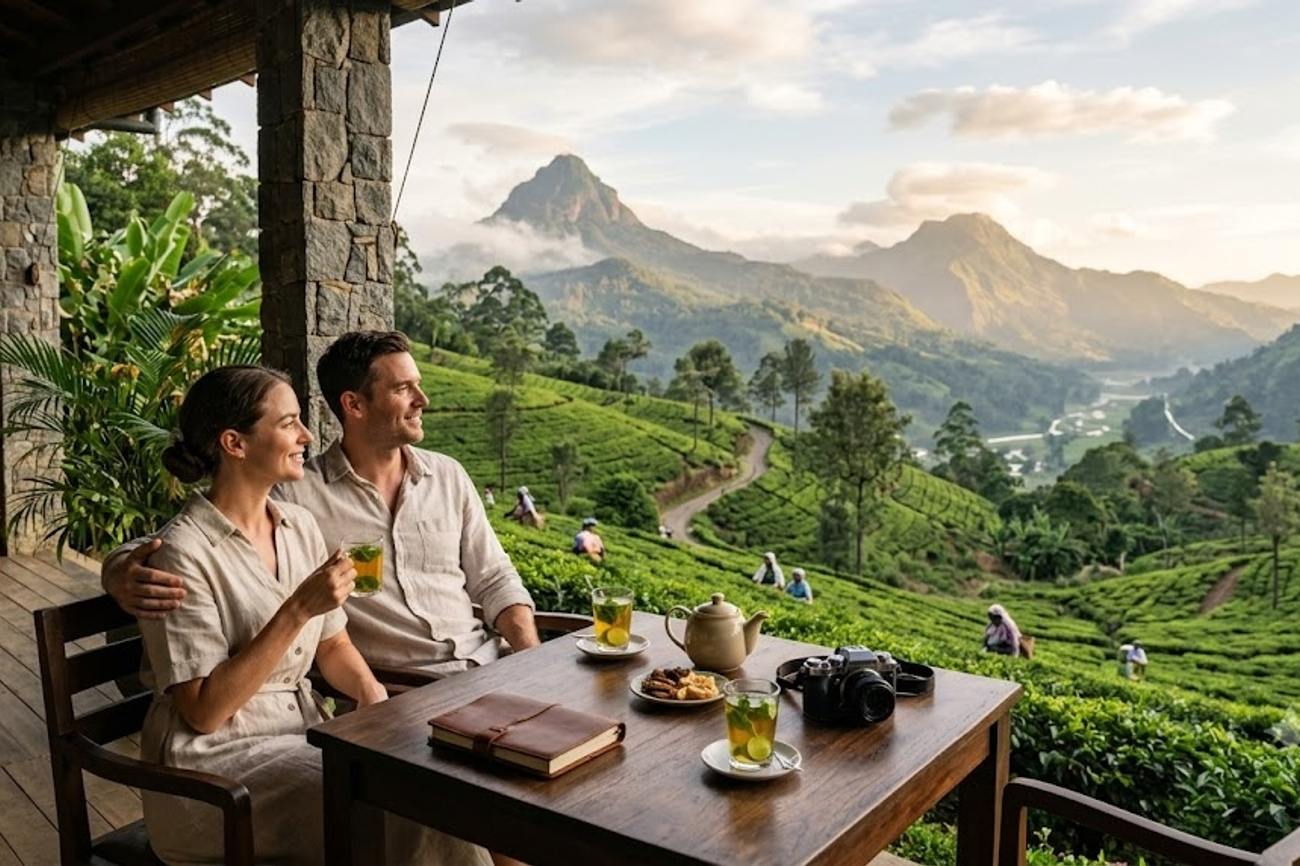
Image generated by AI
[Colombo, October 2025] — Sri Lanka has launched an aggressive strategic pivot for 2026, targeting 3 million international arrivals with a mandate to prioritize high-spending "value" travelers over mass tourism volumes. The island nation is shifting its economic engine toward a quality-focused growth model, aiming to generate more than US$5 billion in tourism earnings by courting luxury, wellness, and corporate segments.
The initiative marks a fundamental departure from previous metrics of success. While historical growth was measured by raw passenger counts, the Sri Lanka Tourism Development Authority (SLTDA) is now prioritizing the "economic impact per visitor." This strategy focuses on extending the average length of stay and increasing the average daily spend through premium specialized products, destination weddings, and high-end business events.
The Shift to Value-Based Growth
The immediate trigger for this policy shift is a global trend toward sustainable, high-revenue tourism. Sri Lanka is moving away from the "Traditional Approach"—characterized by short stays and general holiday packages—toward a "New Strategy" that emphasizes personalized, premium experiences.
By targeting travelers with stronger purchasing power, the government intends to distribute wealth more effectively across the local economy. A high-value traveler who utilizes premium accommodation and engages with multiple regional activities provides a deeper financial benefit to local communities than a budget traveler on a short-term itinerary.
The strategy specifically targets five high-yield segments:
- Luxury Travelers: Seeking high-end resorts and exclusive experiences.
- Wellness Seekers: Focusing on Ayurveda, yoga, and nature-based retreats.
- MICE (Meetings, Incentives, Conferences, and Exhibitions): Corporate events and business travel.
- Wedding Tourism: Positioning the island as a premier destination for international weddings.
- Cruise Passengers: Expanding infrastructure to accommodate luxury cruise lines.
Geographic and Market Impact
The rollout of this strategy impacts several key hubs and target demographics, shifting the flow of international traffic across the island.
| Target Market | Primary Appeal | Strategic Objective |
|---|---|---|
| Middle East | Luxury travel, weddings, premium holidays | Expand connectivity and high-spend visits |
| Europe | Wildlife, cultural heritage, beach tourism | Maintain steady, long-term visitor flows |
| Asia | Regional short-breaks, urban tourism | Increase frequency of short-term high-spend trips |
| India | Cultural ties, geographic proximity | Leverage proximity for diversified travel products |
Colombo's Evolving Role Colombo is being repositioned from a mere transit point to a primary destination. The capital is investing in luxury hospitality, high-end dining, and corporate infrastructure to capture business tourism and urban luxury markets. By transforming the city into a "gateway experience," officials hope to keep travelers in the capital longer before they disperse to the interior.
The Cultural and Nature Circuit The strategy leverages existing UNESCO World Heritage sites and biodiversity hotspots to attract specialized travelers:
- Heritage Hubs: Kandy (Temple of the Sacred Tooth Relic), Sigiriya (ancient rock fortress), Anuradhapura, and Polonnaruwa are being marketed to high-end cultural historians.
- Nature Engines: Yala National Park (leopard viewing), Ella (mountain hiking), Horton Plains, and Mirissa (marine tourism) are targeting the environmentally conscious luxury traveler.
- Coastal Premium: Galle, Bentota, and Arugam Bay are being promoted for their blend of colonial heritage and surf/beach luxury.
Practical Traveler Advisory and Strategic Insights
For the average traveler, this shift indicates a move toward a more curated, expensive, and structured tourism environment.
Booking and Costs Travelers should expect a rise in the availability of "all-inclusive" luxury packages and boutique wellness retreats. While budget options will remain, the national marketing push is now directed at premium tiers. Those booking through the Sri Lanka Tourism portal will see an increase in specialized itineraries—such as Ayurveda-focused wellness journeys—rather than generic sightseeing tours.
Experience Quality The focus on "quality-focused growth" means an expected upgrade in service standards. Investment is being channeled into better hotel infrastructure and specialized guides. Travelers seeking authentic, slow-travel experiences will find more support for longer stays in rural areas, as the government actively encourages visitors to explore multiple regions rather than sticking to a single coastal strip.
Entry and Logistics With Colombo becoming a business and luxury hub, travelers can expect improved connectivity and more sophisticated urban amenities. The push for Middle Eastern markets suggests an increase in flight frequencies and luxury lounge facilities at Bandaranaike International Airport.
Economic Recovery and Future Outlook
This tourism pivot is a cornerstone of Sri Lanka's broader economic recovery plan. By creating "stronger value chains," the government aims to ensure that revenue from high-spending tourists reaches local artisans, boutique hotel owners, and regional transport providers.
The next phase of implementation involves aggressive infrastructure investment. This includes upgrading roads leading to the "Cultural Triangle" and expanding the capacity of coastal resorts to handle high-net-worth individuals. The goal is not just to hit the 3 million visitor mark by 2026, but to ensure those visitors contribute to a sustainable US$5 billion revenue stream.
As the nation competes in the global heritage and wellness markets, the focus will remain on biodiversity and tradition. By avoiding the pitfalls of over-tourism—which has plagued other Southeast Asian destinations—Sri Lanka is betting that a smaller number of high-spending visitors will yield a more stable and environmentally sustainable economic future.
FAQ: Sri Lanka Tourism 2026
Is Sri Lanka still accessible for budget travelers in 2026? Yes, but the national focus has shifted. While budget options exist, the government is prioritizing luxury and premium services. You may find more "boutique" offerings and a decrease in mass-market tour packages as the country targets higher-spending demographics.
What are the best destinations for wellness tourism in Sri Lanka? The country is heavily promoting Ayurveda treatments and yoga retreats. Key areas include the peaceful landscapes of the hill country and coastal wellness escapes in regions like Bentota and Mirissa, which combine nature with traditional healing.
How is the "Value-Based" strategy different from previous years? Previously, success was measured by the total number of arrivals. The 2026 strategy measures success by the amount of money spent per visitor and the length of their stay, prioritizing revenue over raw volume.
Which markets are seeing the most growth in connectivity? Sri Lanka is aggressively expanding its reach into the Middle East, particularly the UAE. This includes improving flight paths and tailoring luxury travel products specifically for Middle Eastern preferences in weddings and premium holidays.
Sri Lanka is betting that quality will trump quantity in the race for economic stability.
Related Travel Guides
Disclaimer
This article is for informational and educational purposes only. It does not constitute legal, financial, or professional advice. While we strive to provide accurate and up-to-date information, travel policies, regulations, and conditions change rapidly. Always verify information with official sources before making travel decisions. Nomad Lawyer makes no representations about the accuracy, reliability, completeness, or suitability of the information provided. Readers should consult qualified professionals for advice specific to their circumstances. The views expressed in this article are those of the author and do not necessarily reflect the views of Nomad Lawyer.
Raushan Kumar
Founder & Lead Developer
Full-stack developer with 11+ years of experience and a passionate traveller. Raushan built Nomad Lawyer from the ground up with a vision to create the best travel and law experience on the web.
Learn more about our team →