
Sri Lanka Courts Russia's Travelers: Direct Flights, Visa Reform, and Year-Round Tourism Strategy Takes Shape in 2026
Sri Lanka launches strategic tourism push targeting Russian travelers through direct flights, simplified visas, and year-round destination positioning at Moscow's Let's Travel International Forum.

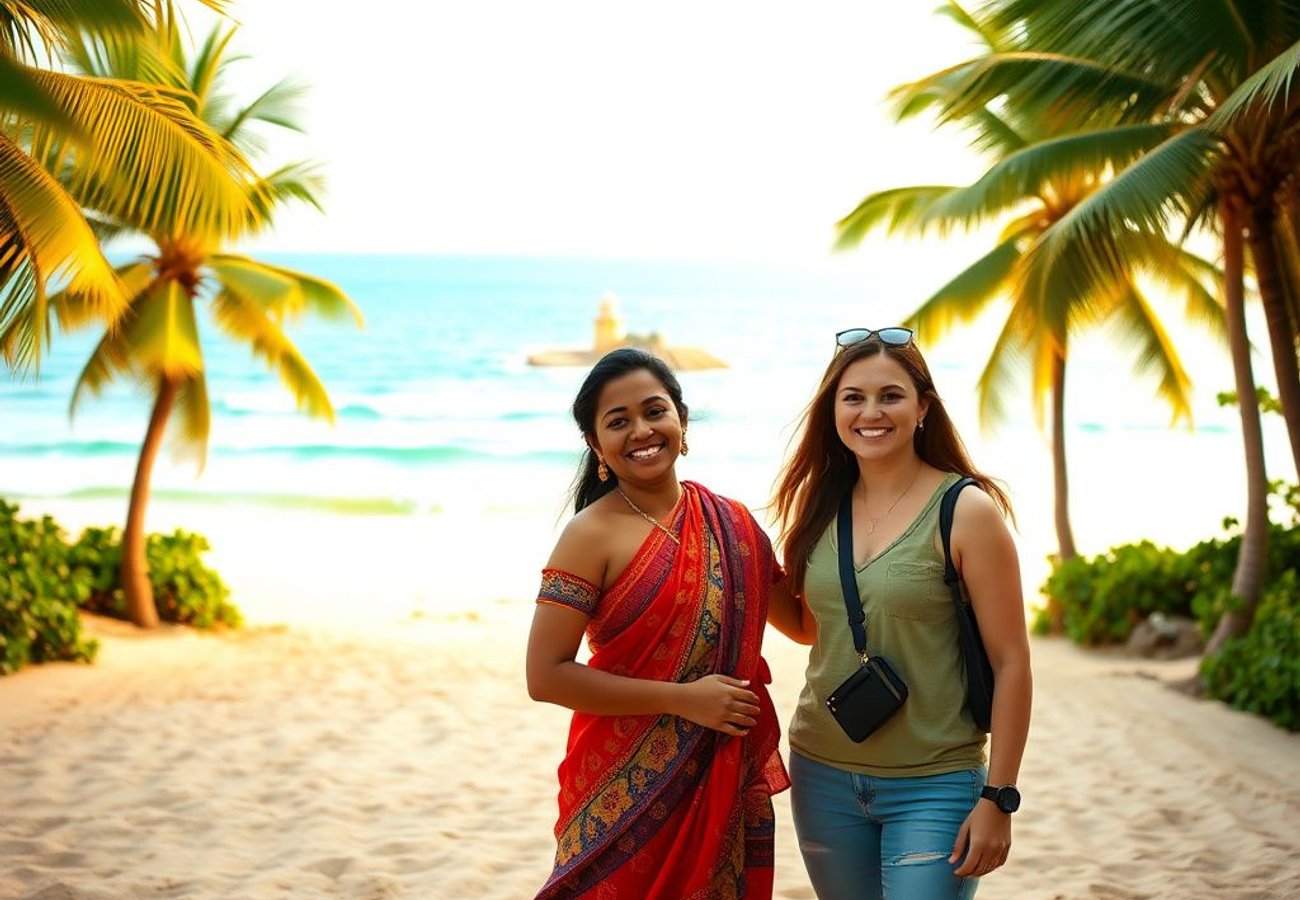
Image generated by AI
Moscow Forum Becomes Pivotal Moment for Sri Lanka's Russian Tourism Expansion
The sixth edition of the Let's Travel International Tourism Forum in Moscow just transformed into a strategic turning point. Sri Lanka just signaled serious intent to capture Russia's outbound travel market through a coordinated push on three fronts: direct air connectivity, streamlined visa processes, and year-round destination positioning.
This isn't routine conference attendance. A high-level Sri Lankan delegation, spearheaded by Deputy Minister of Tourism Prof. Ruwan Ranasinghe, arrived with specific deliverables and concrete partnership proposals. The message was unmistakable: Sri Lanka is removing barriers between Russian travelers and island exploration.
Reddit: "Direct flights changed everything for me—suddenly destinations that seemed inconvenient became weekend trip options." — r/travel
The stakes matter. Russia remains a critical growth market for Sri Lanka's tourism ecosystem. Yet logistics, visa complexity, and limited visibility have historically constrained visitor flows. Moscow's forum provided the diplomatic stage to address these structural obstacles head-on.
Direct Air Connectivity Becomes Non-Negotiable Priority
Direct flights sit at the center of this expansion strategy—and for compelling reasons.
Extended travel routes kill demand faster than almost anything else. When potential visitors face multiple connections, extended journey times, or complicated routing logistics, they simply choose competitors. Thailand, Egypt, and Turkey already understand this calculus intimately.
Sri Lanka's tourism authorities recognize that enhanced aviation partnerships unlock cascading economic benefits. Hotels, restaurants, tour operators, transport providers, and local businesses all prosper when connectivity improves. A single direct flight route becomes a multiplier effect across entire regional economies.
The discussions between Prof. Ranasinghe and Russian Deputy Minister of Economic Development Dmitry Vakhrukov emphasized this reality. Direct air links weren't treated as nice-to-have amenities—they were positioned as essential infrastructure for sustained tourism growth.
Current aviation partnerships remain insufficient. Expanding this connectivity requires sustained diplomatic engagement and commercial coordination between carriers. The forum provided the venue to accelerate these negotiations.
Visa Simplification: Removing Friction From Travel Planning
Modern travelers have demonstrably shifted preferences toward destinations where entry requirements feel straightforward and efficient.
Lengthy visa applications, unclear requirements, and unpredictable processing timelines create what travel industry experts call "friction cost." Potential visitors redirect their bookings elsewhere. Market opportunity evaporates silently.
Sri Lanka's tourism officials identified visa simplification as a strategic competitive necessity. Transparent processes, faster approvals, and streamlined documentation reduce administrative burden. More importantly, they signal welcoming attitudes toward international visitors.
The psychological impact matters here. When visa procedures feel unnecessarily complicated, travelers interpret this as destination indifference. Conversely, simplified entry processes communicate genuine hospitality and professional tourism infrastructure.
For Russian travelers specifically, visa accessibility directly influences destination selection. Enhanced visa facilitation positions Sri Lanka as more accessible than competitors. This repositioning carries measurable economic consequences.
Familiarization Tours Build Industry Momentum and Destination Awareness
Behind the diplomatic discussions sits a practical promotional strategy: familiarization tours targeting influential tourism stakeholders.
Travel writers, media representatives, tour operators, and industry decision-makers wield disproportionate influence over traveler choices. When these influencers experience destinations firsthand, they generate authentic testimonials and credible recommendations that resonate with their audiences.
Sri Lanka's tourism sector intends expanding these carefully curated programs. By showcasing diverse experiences, engaging with local communities, and demonstrating destination infrastructure quality, familiarization tours build confidence among Russia's travel industry professionals.
This approach proves particularly effective in competitive global tourism markets. Destinations increasingly compete through storytelling, experiential marketing, and trusted industry endorsements rather than generic promotional campaigns.
Year-Round Destination Positioning Challenges Seasonality Assumptions
Here's where Sri Lanka's strategy diverges from historical positioning.
Traditional destination marketing often emphasized seasonal advantages—monsoon seasons, specific climate windows, or particular festival periods. This seasonal framing limits demand and concentrates visitor flows into narrow timeframes.
Sri Lanka's new approach repositions the island as a compelling year-round destination capable of delivering diverse experiences across all calendar seasons. This strategic shift reflects broader changes within international travel patterns. Modern travelers increasingly demand flexibility, multiple experience options, and destinations suitable for various travel purposes throughout the year.
The two high-level panel discussions—"Direct flights, simplified visas and what this means for the industry" and "Tourism of national importance: The strategic potential of international cooperation"—emphasized this transformation explicitly.
Deputy Minister Prof. Ranasinghe communicated this vision with clarity: Sri Lanka seeks to create seamless travel experiences and foster enduring international partnerships. Year-round accessibility supports this ambition by distributing visitor flows across seasons, strengthening destination resilience, and creating more sustainable tourism economics.
Tourism Diplomacy Becomes Economic Development Instrument
The Moscow engagements illustrated a fundamental shift in how nations approach international tourism.
Tourism partnerships are no longer isolated promotional activities relegated to marketing departments. Instead, they're integrated into broader frameworks of economic cooperation, international relations, and long-term strategic planning.
For Sri Lanka, the Russian market represents a significant growth opportunity—provided the fundamentals align. Direct flights reduce friction. Simplified visas increase accessibility. Year-round positioning creates sustained demand rather than seasonal spikes.
This coordinated approach reflects mature tourism strategy. Rather than hoping travelers stumble upon the destination through casual marketing, Sri Lanka is systematically removing barriers to entry and creating conditions where travel decisions become easier and more attractive.
The results will likely prove measurable. Watch for official announcements regarding direct flight routes between Russia and Sri Lanka, visa policy changes, and Russian tourist arrival statistics in subsequent quarters.
International cooperation at this scale takes time to translate into tangible visitor numbers. But the diplomatic groundwork has been laid. Sri Lankan tourism officials departed Moscow with specific commitments, identified partnership opportunities, and clear strategic direction.
The next phase requires execution. Airlines must commit to routes. Visa authorities must implement simplified processes. Tour operators must design familiarization programs. All of this moves simultaneously.
For Russian travelers considering South Asian destinations, watch this space carefully. Enhanced connectivity, easier visas, and year-round positioning mean Sri Lanka suddenly becomes a more accessible option for holiday planning.
Tourism happens when barriers dissolve and convenience takes priority.
Related Travel Guides
Disclaimer
This article is for informational and educational purposes only. It does not constitute legal, financial, or professional advice. While we strive to provide accurate and up-to-date information, travel policies, regulations, and conditions change rapidly. Always verify information with official sources before making travel decisions. Nomad Lawyer makes no representations about the accuracy, reliability, completeness, or suitability of the information provided. Readers should consult qualified professionals for advice specific to their circumstances. The views expressed in this article are those of the author and do not necessarily reflect the views of Nomad Lawyer.
Preeti Gunjan
Contributor & Community Manager
A passionate traveller and community builder. Preeti helps grow the Nomad Lawyer community, fostering engagement and bringing the reader experience to life.
Learn more about our team →