
SpiceJet Faces Government Push to Restore Grounded Fleet as Carrier Seeks ECLGS 5.0 Credit for Operational Recovery
India's Civil Aviation Ministry pushes SpiceJet to return grounded planes to service as the budget carrier pursues liquidity under the ECLGS 5.0 framework.

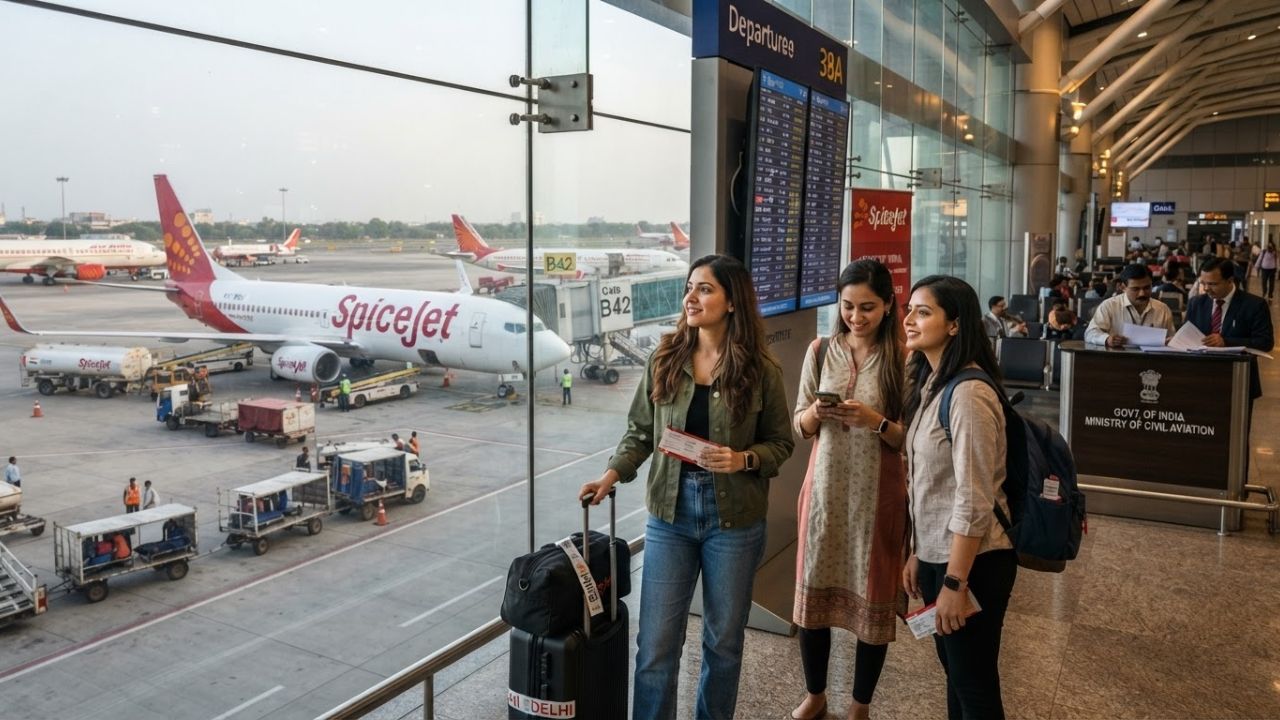
Image generated by AI
India's Civil Aviation Ministry is pressing budget carrier SpiceJet to accelerate the return of its grounded fleet to active service as the airline moves to secure liquidity under the government's ECLGS 5.0 credit framework without direct state bailouts.
Government Oversight and the ECLGS Credit Lifeline
The Ministry of Civil Aviation has intensified its oversight of domestic airline operational resilience. On September 4, 2026, Civil Aviation Minister Ram Mohan Naidu Kinjarapu confirmed that the Indian government maintains continuous monthly reviews with commercial carriers, focusing on fleet availability, operational discipline, and balance sheet recovery.
SpiceJet has experienced persistent fleet constraints, with a notable portion of its narrow-body Boeing 737s and regional De Havilland Canada Dash 8-Q400 turboprops parked due to maintenance cycles and component delays. To address these liquidity bottlenecks, the carrier is seeking funding under the Emergency Credit Line Guarantee Scheme (ECLGS).
Minister Ram Mohan Naidu clarified that the central government is not dispensing direct financial bailouts to individual private airlines. Instead, SpiceJet is utilizing the established ECLGS 5.0 mechanism—a program approved by the Union Cabinet to provide 100 percent credit guarantee backing for eligible Indian airlines navigating elevated Aviation Turbine Fuel (ATF) costs and supply-chain pressures.
[SpiceJet Operational & Regulatory Review Summary]
• Lead Authority:           Ministry of Civil Aviation (MoCA)
• Presiding Minister:       Ram Mohan Naidu Kinjarapu
• Funding Channel:          Emergency Credit Line Guarantee Scheme (ECLGS 5.0)
• State Support Scope:      Guaranteed commercial credit; no direct state equity
• Core Operational Goal:    Return grounded Boeing 737 and Q400 aircraft to service
• Fuel Relief Option:       ATF Price Stabilisation Scheme (available, unutilised)
• Airfare Oversight:        Tariff Monitoring Unit tracking high-demand routes
• Safety Review:            AAIB preliminary report pending on Phuket incident
| Regulatory Focus Area | Current Industry Status | Policy and Operational Mechanism |
|---|---|---|
| Fleet Reactivation | Grounded planes restricting capacity | Returning parked airframes to commercial service |
| Credit Access | ECLGS 5.0 eligibility | Government-guaranteed commercial bank liquidity |
| Fuel Volatility | ATF price stabilisation scheme | Standby price buffer scheme (zero airline uptake to date) |
| Consumer Protection | Surge airfare monitoring | Tariff Monitoring Unit tracking high-density sectors |
| Safety Governance | Aircraft Accident Investigation Bureau | Ongoing investigation into past Phuket operational event |
Restoring Aircraft Availability and Network Connectivity
For Indian air travelers, airline financial health translates directly into day-to-day schedule stability. When an airline operates with reduced operational aircraft, even minor technical snags or weather hold-ups can cascade into multi-hour delays or abrupt flight cancellations.
Reactivating parked airframes under ECLGS credit lines delivers tangible operational advantages:
- Capacity Expansion: Returning idled Boeing 737s and Q400 turboprops to active line flying expands seat availability on competitive trunk corridors connecting Delhi, Mumbai, Bengaluru, and Kolkata.
- Protecting Regional UDAN Connectivity: SpiceJet operates numerous non-metro routes under the regional connectivity scheme (UDAN), linking remote destinations such as Darbhanga, Jharsuguda, and Dharamshala. Operating a dependable fleet keeps these vital economic air bridges open.
- Schedule Padding and Spare Aircraft Coverage: Additional operational hulls provide dedicated hot-spares at major hubs, preventing single aircraft delays from disrupting subsequent sectors throughout the day.
- Market Price Balance: A revitalized SpiceJet provides essential market competition, counteracting duopolistic pricing pressures across domestic routes.
Fuel Price Stabilization and Tariff Monitoring Unit Actions
Fuel costs remain the largest single operational expense for Indian carriers, routinely accounting for 40 to 45 percent of total operating expenditure. Minister Ram Mohan Naidu pointed out that while an ATF price stabilisation scheme remains operational to shield airlines from severe global energy swings, no domestic airline has officially utilized the facility to date.
Simultaneously, the Civil Aviation Ministry’s Tariff Monitoring Unit (TMU) is keeping a close watch over domestic airfares:
- Seasonal Surge Prevention: The TMU monitors dynamic booking engines ahead of major national holiday surges, including Durga Puja, Diwali, and Chhath Puja, to prevent excessive price spikes on tier-2 routes.
- Extraordinary Event Interventions: While airlines retain commercial freedom under deregulation to price seats dynamically, the ministry retains advisory authority to intervene if localized disruptions distort route pricing.
- Balancing Consumer and Carrier Interests: Regulators aim to balance commercial viability with passenger affordability, ensuring travelers are not penalized by artificial capacity shortages.
In parallel with financial reviews, Minister Naidu confirmed that the Aircraft Accident Investigation Bureau (AAIB) continues its independent safety investigation into a previous operational incident at Phuket. A formal preliminary report is expected shortly, reinforcing that regulatory reviews evaluate safety integrity alongside financial standing.
Local Insider Tips for Flying SpiceJet in 2026
- Track Your Aircraft Tail Number Before Heading to the Terminal: Because aircraft utilization remains tight, track the inbound flight of your assigned aircraft on flight tracking platforms such as Flightradar24 using the aircraft registration code. If your inbound aircraft is delayed at an earlier outstation, you can anticipate departure adjustments before leaving for the airport.
- Know Your DGCA Passenger Charter Rights: Under regulations established by the Directorate General of Civil Aviation (DGCA), if your flight is delayed by more than two hours (for flights with block time up to two and a half hours) or more than three hours, the airline must provide free meals and refreshments. If a flight is canceled or delayed by more than six hours, passengers are entitled to a full refund or alternative booking at no extra cost.
- Book Add-On Services (SpicePlus) in Advance: SpiceJet's SpicePlus bundle includes priority check-in, priority baggage handling, seat selection, and a hot meal. Purchasing this bundle during initial web booking is up to 40 percent cheaper than paying separate counter fees at the airport.
- Leverage Dedicated Turboprop Terminals on UDAN Routes: If flying on a SpiceJet Bombardier Q400 to regional hill destinations or pilgrim centers (such as Dharamshala or Shirdi), departures from Delhi (DEL) often operate from Terminal 2 or Terminal 1 remote bays. Verify the terminal assignment on your boarding pass at least three hours before departure to avoid cross-terminal transfers.
- Protect Interline Connections on Separate Bookings: SpiceJet does not offer automatic luggage interlining with other domestic carriers on separate PNRs. If connecting to an international flight or another domestic carrier in Mumbai or Delhi, maintain a minimum connecting window of four hours to collect luggage, clear security, and re-check bags.
Indian Aviation Market Outlook: Building Sustainable Airline Capacity
India's commercial aviation sector represents one of the fastest-growing passenger travel markets worldwide, driven by rising middle-class mobility and expanding airport infrastructure under the regional UDAN initiative. However, sustainable growth requires healthy carrier diversity.
The Ministry of Civil Aviation’s strategy of combining monthly operational accountability with structured access to commercial credit under ECLGS 5.0 demonstrates a balanced regulatory approach. By demanding operational improvements while facilitating financial recovery, regulators seek to ensure that SpiceJet restores its operating fleet, honors passenger schedules, and preserves competitive pricing across India's domestic skies.
Frequently Asked Questions
Why is SpiceJet seeking funds through the ECLGS framework?
SpiceJet is tapping the Emergency Credit Line Guarantee Scheme (ECLGS 5.0) to secure commercial credit lines needed to resolve lease commitments, procure spare components, and return grounded aircraft to active service.
Is the Indian government providing a direct bailout to SpiceJet?
No. Civil Aviation Minister Ram Mohan Naidu Kinjarapu stated that the government is not offering direct financial aid; the airline is accessing commercial bank credit backed by the government's established ECLGS guarantee framework.
What is the status of the investigation into the SpiceJet Phuket incident?
The Aircraft Accident Investigation Bureau (AAIB) is conducting an independent inquiry into the Phuket incident, with a preliminary findings report expected to be published shortly.
What is the ATF price stabilisation scheme mentioned by the Civil Aviation Minister?
It is a government mechanism designed to help airlines manage high aviation turbine fuel prices. The minister noted that the scheme remains active, though no domestic carrier has accessed it to date.
How does the Tariff Monitoring Unit protect domestic air passengers?
The Tariff Monitoring Unit tracks ticket pricing across high-demand domestic routes during peak festival seasons to detect abnormal fare surges and maintain affordability for travelers.
Related Travel Guides
- Airlines Radically Shrink Economy Cabins as Industry Pivots Toward Luxury Travel Market
- American Airlines Transitions to Boeing 737 MAX 8 Exclusively on LA-Washington Route, Reducing Seat Capacity by 13%
- Delta Air Lines Flight DL1595 Declares Mid-Air Emergency, Diverts to Ogden Amid Massive Wave of Domestic Travel Chaos: Latest Airline News
Disclaimer
This article is for informational and educational purposes only. It does not constitute legal, financial, or professional advice. While we strive to provide accurate and up-to-date information, travel policies, regulations, and conditions change rapidly. Always verify information with official sources before making travel decisions. Nomad Lawyer makes no representations about the accuracy, reliability, completeness, or suitability of the information provided. Readers should consult qualified professionals for advice specific to their circumstances. The views expressed in this article are those of the author and do not necessarily reflect the views of Nomad Lawyer.
Preeti Gunjan
Contributor & Community Manager
A passionate traveller and community builder. Preeti helps grow the Nomad Lawyer community, fostering engagement and bringing the reader experience to life.
Learn more about our team →