
SpiceJet Delays Trigger Overnight Chaos at Mumbai Terminal 1
SpiceJet delays trigger cascading flight cancellations at Mumbai airport on April 30, 2026, stranding hundreds of passengers overnight at Terminal 1 amid communication breakdown and operational failures.

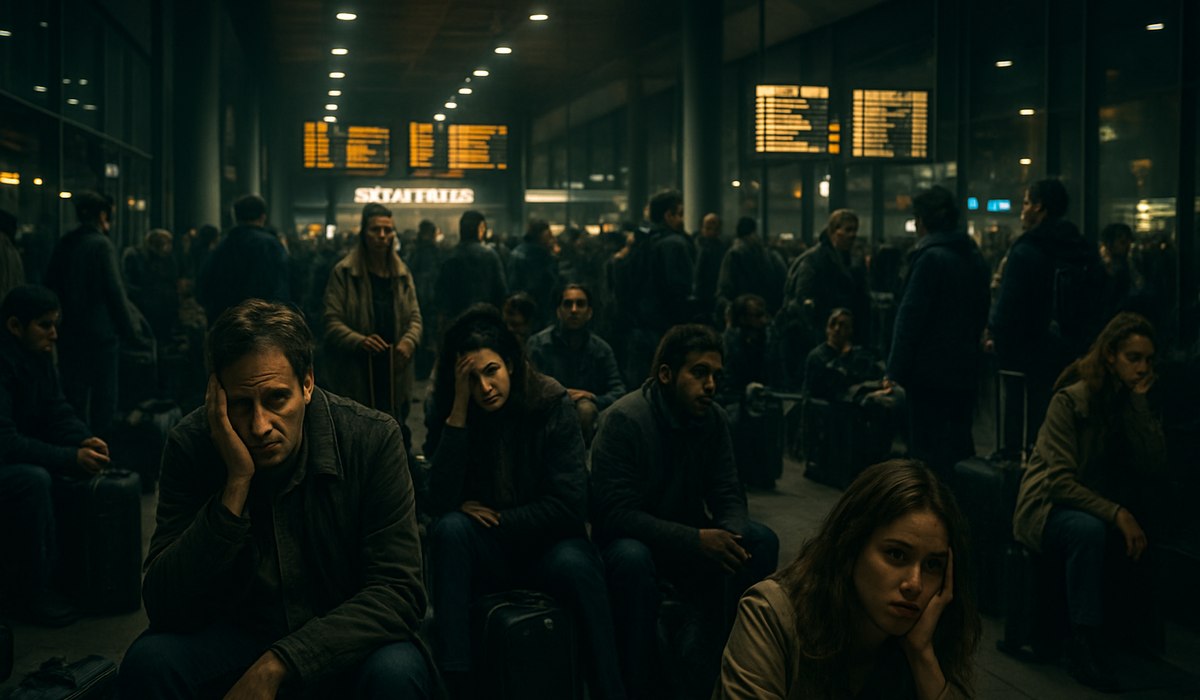
Image generated by AI
SpiceJet Delays Trigger Overnight Terminal Crisis at Mumbai Airport
SpiceJet's operational breakdown on April 29-30, 2026 left hundreds of passengers stranded overnight at Mumbai's Terminal 1, with multiple flight cancellations and cascading delays creating scenes of confusion and frustration. The incident highlights systemic vulnerabilities in low-cost carrier operations during peak travel periods and raises urgent questions about passenger protection standards across Indian aviation. Travelers spent hours—and in many cases the entire night—seeking information, rebooking options, and basic amenities with minimal airline support.
How SpiceJet's Operational Collapse Unfolded
The disruption began late Wednesday evening when SpiceJet announced delays across multiple domestic flights departing from Terminal 1. What appeared initially as routine schedule adjustments quickly escalated into widespread cancellations affecting at least three high-frequency routes to Bangalore, Delhi, and Hyderabad. Passengers who had completed check-in and security screening discovered departure gates suddenly shuttered, with conflicting announcements and no clear timeline for resolution.
SpiceJet attributed the crisis to "operational reasons" including aircraft and crew availability constraints. Industry experts note that Flight Duty Time Limitations—regulations restricting pilot and crew working hours—occasionally force last-minute cancellations even when aircraft are operational. However, the airline's failure to communicate proactively or offer timely rebooking solutions transformed a manageable operational challenge into a passenger services disaster that extended through dawn.
The carrier's ground staff at Terminal 1 appeared overwhelmed by inquiry volume, with travelers reporting inconsistent information and contradictory guidance on refund eligibility, alternative flight options, and accommodation responsibility.
Passenger Accounts: A Night of Uncertainty and Frustration
Firsthand accounts from stranded passengers paint a picture of abandonment and institutional failure. Families with young children, elderly travelers, and business passengers all found themselves caught in a terminal designed for transit, not overnight stays. Video evidence circulating on social platforms shows crowded departure areas, lengthy queues at airline counters, and exhausted travelers attempting to rest on floors beside luggage.
One passenger described the experience as "like being in a holding cell with no updates." Others reported that no proactive communication arrived via email, SMS, or airline notification—they discovered cancellations only by monitoring departure boards or overhearing staff conversations. This information vacuum forced travelers into reactive problem-solving, many frantically booking expensive alternative flights on competing carriers to salvage travel plans.
Families spent hours uncertain whether to remain near gates (in case operations resumed) or venture outside the terminal. The lack of meal vouchers, rest facilities, or accommodation offers added physical strain to mounting psychological stress. Senior citizens reported particular difficulty navigating rebooking processes without tech support, while parents struggled to keep children calm during the extended ordeal.
What Went Wrong: Systemic Issues at Play
SpiceJet delays trigger operational transparency failures that extend beyond a single night of disruption. Industry analysis reveals structural problems affecting India's budget airline sector: aging aircraft fleets requiring frequent maintenance, tight crew scheduling with minimal buffer capacity, and customer service infrastructure designed for routine operations rather than crisis management.
The airline's inability to communicate effectively represents a compounding failure. Modern aviation provides multiple channels for passenger notification—push notifications, SMS alerts, email updates, and social media—yet SpiceJet appeared to rely exclusively on terminal announcements and counter staff. This approach proved catastrophically inadequate when gate areas became congested and staff capacity diminished.
Regulatory oversight also emerges as a critical issue. India's Directorate General of Civil Aviation sets compensation standards for flight delays and cancellations, yet enforcement mechanisms remain weak for low-cost carriers facing financial constraints. SpiceJet's historical financial difficulties create perverse incentives to minimize service during disruptions rather than maximize passenger support.
The airline's fleet and staffing models—optimized for marginal profitability—leave zero resilience for unexpected events. Single aircraft breakdowns or unexpected crew unavailability trigger cascading cancellations. Better-capitalized competitors maintain redundancy; SpiceJet operates perpetually at capacity limits.
Implications for Travelers and Airline Accountability
The Mumbai terminal chaos carries broader implications for air travel reliability across South Asia's fastest-growing aviation market. SpiceJet operates over 500 daily flights across India's domestic network, meaning service failures directly impact millions of annual passengers.
Travelers face several critical questions: Should budget airlines face stricter staffing requirements to ensure crisis communication capacity? Do current passenger protection regulations adequately cover overnight terminal disruptions? Why do Indian carriers lack mandatory real-time rebooking systems and automatic compensation workflows implemented by European and North American operators?
Accountability gaps remain substantial. The Carriage of Passengers (Enhancement of Safety) Rules mandate compensation of ₹10,000–₹50,000 for flight cancellations depending on delay duration—yet enforcement requires passenger complaints, documentation, and follow-up, creating friction that discourages claims. SpiceJet's history of financial distress means passengers often wait months or receive partial compensation.
For nomadic professionals and frequent business travelers, incidents like these demand carrier diversification strategies and comprehensive travel insurance covering non-standard scenarios like overnight terminal stays. The April 30 disruption demonstrates that reputation and corporate size don't guarantee operational resilience in competitive, low-margin markets.
Traveler Action Checklist
If you experience cascading flight delays or cancellations similar to SpiceJet's Mumbai incident:
-
Document everything immediately: Take photos/video of departure boards, gate announcements, and terminal conditions. Record timestamps and passenger conversations.
-
Preserve all communications: Screenshot airline messages, save emails, and capture social media posts or official statements about the disruption.
-
Request written confirmation: Ask airline staff to provide written confirmation of cancellation reason, original booking details, and offered alternatives. Don't rely on verbal assurances.
-
Explore real-time rebooking options: Check FlightAware for alternative flight availability across all carriers, not just your original airline.
-
Claim compensation immediately: File formal complaints with your airline and India's Directorate General of Civil Aviation. Preserve receipts for any out-of-pocket expenses (meals, accommodation, ground transport).
-
Contact your travel insurance provider: Report the incident within 24–48 hours to activate coverage for delays, missed connections, or terminal expenses.
-
Monitor regulatory developments: Follow updates on FAA and US DOT passenger protection standards, which may influence future Indian regulations.
-
Share your experience responsibly: Post factual accounts on travel forums and social media to alert future passengers, but avoid unverified claims or defamatory language.
Key Incident Data
| Metric | Details |
|---|---|
| Airline | SpiceJet |
| Airport | Mumbai (Chhatrapati Shivaji Maharaj International) |
| Terminal | Terminal 1 |
| Incident Date | April 29–30, 2026 |
| Estimated Passengers Affected | 600–800 across multiple flights |
| Primary Cause | Aircraft/crew availability, operational constraints |
| Routes Impacted | Bangalore, Delhi, Hyderabad domestic services |
| Cancellations | Minimum 3 confirmed flights; additional delays across network |
| Duration | 8+ hours (late evening through early morning) |
| Staff Communication Grade | F (minimal proactive outreach, conflicting information) |
| Passenger Accommodation Offered | None reported; travelers self-funded alternatives |
| Regulatory Response Pending | DGCA inquiry anticipated |
What This Means for Travelers
SpiceJet's operational failures expose
Disclaimer
This article is for informational and educational purposes only. It does not constitute legal, financial, or professional advice. While we strive to provide accurate and up-to-date information, travel policies, regulations, and conditions change rapidly. Always verify information with official sources before making travel decisions. Nomad Lawyer makes no representations about the accuracy, reliability, completeness, or suitability of the information provided. Readers should consult qualified professionals for advice specific to their circumstances. The views expressed in this article are those of the author and do not necessarily reflect the views of Nomad Lawyer.
Kunal K Choudhary
Co-Founder & Contributor
A passionate traveller and tech enthusiast. Kunal contributes to the vision and growth of Nomad Lawyer, bringing fresh perspectives and driving the community forward.
Learn more about our team →