
Spain Joins 8 European Nations in Overtourism Revolt: How Governments Are Reshaping Travel in 2026
Spain, Italy, Greece, and six other European nations are implementing strict tourism caps, taxes, and restrictions to combat overtourism. Here's what's reshaping global travel.

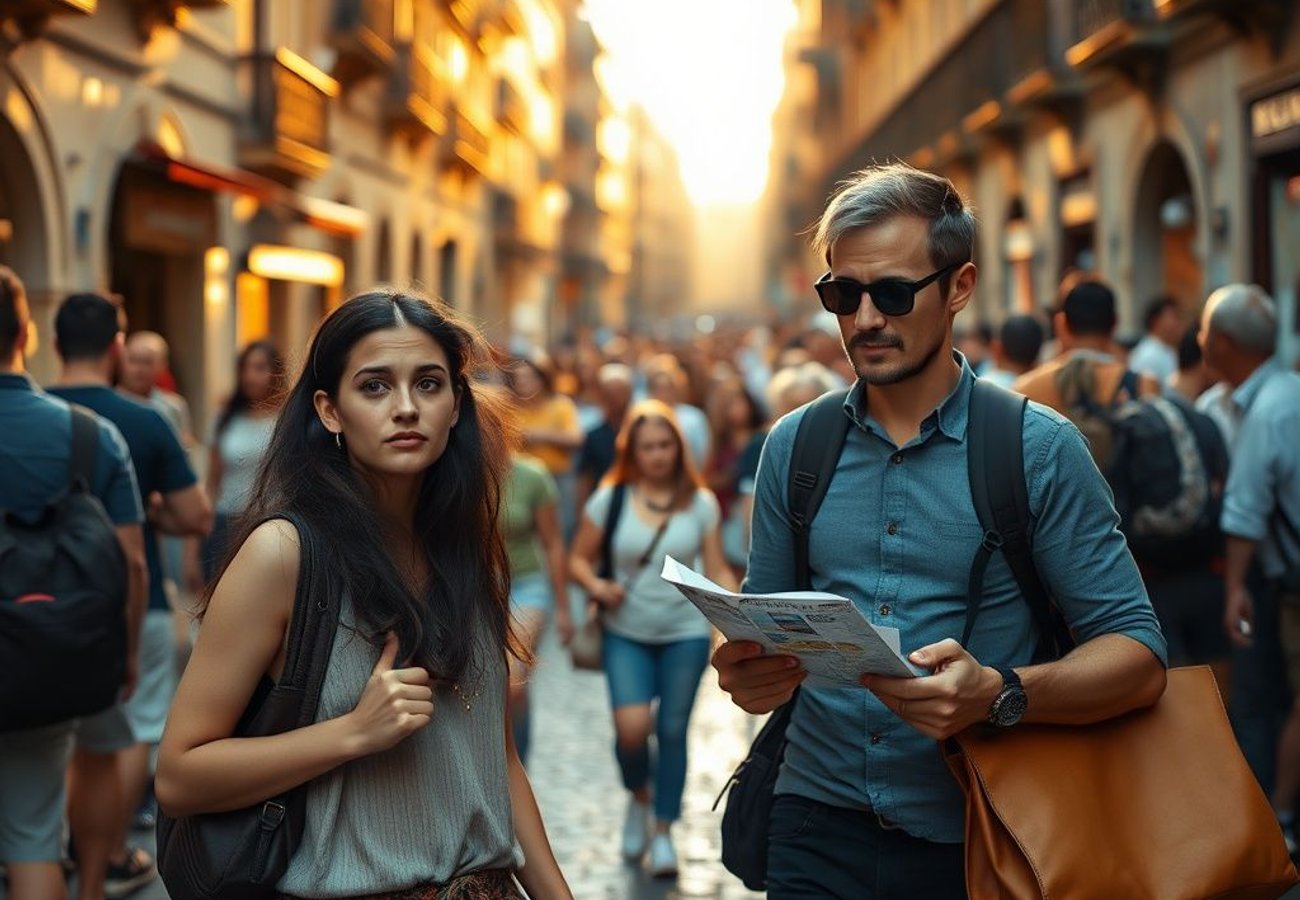
Image generated by AI
The Moment Europe Said "No More"
Spain has officially joined Italy, Greece, Portugal, the Netherlands, France, Croatia, Iceland, Austria, and Norway in what can only be described as a historic turning point for global travel. After decades of chasing tourist dollars, nine of Europe's most visited nations are now actively pushing visitors away.
The shift is seismic. Governments are implementing entry fees, cruise restrictions, short-term rental bans, and tourism taxes at unprecedented scales. What started as isolated complaints from Barcelona residents has evolved into coordinated continental policy. The message is unmistakable: the golden age of unfettered mass tourism is over.
Why This Is Happening Now
The numbers tell a brutal story. 1.4 billion international tourists travel globally each year, with roughly 50% visiting Europe. Social media has weaponized travel discovery—more than 70% of travellers now plan trips based on Instagram-worthy spots. The result? Thousands of people cramming into Venice, Santorini, and Barcelona simultaneously, crushing local infrastructure and pricing residents out of their own neighborhoods.
Reddit: "I went to Barcelona last month. The city doesn't feel Spanish anymore—just hotels and tour groups. Locals are furious and honestly, rightfully so." — r/travel
Housing costs have become the flashpoint. In Spain's major cities, short-term rental platforms have drained long-term housing stock, pushing rents beyond what local workers can afford. The same crisis is unfolding across Portugal's Lisbon and Porto, Greece's island communities, and Italy's heritage zones.
Environmental degradation adds another layer. Santorini faces chronic water shortages during peak season. Venice's foundations deteriorate from constant foot traffic. Mountain trails in Austria are eroding faster than they can be repaired. Cruise ships—dumping 35+ million passengers annually across global ports—have become the symbol of unsustainable growth.
Spain: The Flashpoint of Resistance
Barcelona lit the match. In 2023-2025, residents organized visible protests against tourism excess. The Catalan capital, which attracts millions annually, became ground zero for the anti-overtourism movement.
Spain's response has been aggressive. The government is tightening regulations on holiday rental platforms, introducing tiered tourism taxes, and investing in infrastructure to distribute visitors to secondary cities. The message: growth at any cost is no longer acceptable.
The Balearic Islands and Canary Islands have adopted even stricter measures, with some regions capping new tourism development entirely. What was once Spain's economic lifeblood—tourism accounts for roughly 5% of GDP—is now being carefully rationed.
Italy's Heritage Preservation Strategy
Venice has become the global case study in visitor management. The city that once welcomed 30 million annual tourists now charges entry fees and implements strict crowd-control protocols. Cruise ships—once a symbol of tourism success—now face severe restrictions in the Venetian Lagoon.
Florence and Rome aren't far behind. Both cities have tightened regulations on tour groups, expanded pedestrian-only zones, and increased enforcement on unauthorized accommodation rentals. Italy's approach is clear: protect the asset or lose it entirely.
According to research from the Global Sustainable Tourism Council, destinations that implement early visitor management strategies preserve heritage while maintaining economic value. Italy is betting this tradeoff works.
Greece's Island Reckoning
Santorini and Mykonos tell parallel stories. These islands, iconic symbols of Mediterranean beauty, now struggle under seasonal visitor floods. A cruise ship can deposit 5,000+ passengers in hours—more people than some island towns have residents.
Water scarcity has become critical. Waste management systems designed for 15,000 residents now handle 100,000+ daily visitors during peak season. Greek authorities are implementing cruise caps and investing in desalination infrastructure, but the fundamental issue remains: too many people, too little space.
Reddit: "I visited Mykonos in 2019 and again in 2024. The difference was shocking. You can barely walk through town without bumping into other tourists. The island feels destroyed." — r/travel
Portugal's Housing Crisis Connection
Lisbon and Porto have become digital nomad hubs and short-term rental goldmines. The economic upside is real—tourism contributes significantly to national revenue. But the social cost is mounting.
Long-term rental prices in Lisbon's central neighborhoods have skyrocketed 40-60% in five years, directly correlated with Airbnb expansion. Residents are being displaced. Neighborhoods are losing character. The Portuguese government has responded with rental market reforms and investment thresholds for foreign property buyers—measures designed to slow tourism-driven gentrification.
The Broader European Movement
The Netherlands is redefining visitor management, particularly in Amsterdam. France is implementing higher tourist taxes. Croatia's coastal cities are capping cruise arrivals. Iceland, once a hidden gem, now charges higher entrance fees to popular natural sites like Geysir and Gullfoss. Austria is spreading visitors beyond Vienna through regional incentives.
This isn't isolated—it's coordinated resistance to a broken model.
What Travellers Should Expect in 2026-2027
The practical implications are significant:
Higher costs: Entry fees, tourism taxes, and regulated pricing are standard now. Budget an additional 15-25% for European city visits.
Restricted access: Popular attractions operate on timed-entry systems or daily caps. Book months ahead or expect disappointment.
Redirected routes: Tourism boards are actively pushing visitors toward secondary cities and regions. This might actually be the travel industry's first genuinely positive disruption.
Digital verification: Many destinations now require pre-registration or QR code systems to track visitor volumes in real-time.
The United Nations World Tourism Organization has endorsed this shift as "necessary for long-term destination resilience." What was once considered heresy—limiting tourism growth—is now mainstream policy across the developed world.
The Bigger Picture: Is This the Future?
What's happening in Europe signals a fundamental reckoning about tourism's role in society. For fifty years, the industry operated on growth-at-all-costs principles. Destinations competed purely on visitor numbers. Local impact was an afterthought.
That era is closing.
The nine nations leading this revolt are essentially saying: we'd rather have fewer, high-value visitors than masses of budget tourists who destroy communities while generating minimal economic benefit. It's economically rational and socially responsible—a rare combination.
Other regions are watching. Thailand is debating similar measures for Phuket and Bangkok. Morocco is implementing heritage taxes in Marrakech. Even the Maldives—built entirely on tourism—is discussing carrying capacity limits.
The travel industry isn't ending. It's evolving. The destinations winning in 2026-2030 will be those offering authentic experiences in manageable numbers, not Instagram-famous locations crushed under human weight.
If you're planning a European trip, plan it thoughtfully. Book ahead. Consider off-season travel. Explore secondary destinations. Support local economies directly rather than through mass-market tourism infrastructure.
The Europe of unlimited access is officially closed. What replaces it—sustainable, community-centered tourism—might actually be better for everyone.
The age of endless tourism growth in Europe just hit its ceiling, and no amount of marketing budget will raise it back up.
Related Travel Guides
Disclaimer
This article is for informational and educational purposes only. It does not constitute legal, financial, or professional advice. While we strive to provide accurate and up-to-date information, travel policies, regulations, and conditions change rapidly. Always verify information with official sources before making travel decisions. Nomad Lawyer makes no representations about the accuracy, reliability, completeness, or suitability of the information provided. Readers should consult qualified professionals for advice specific to their circumstances. The views expressed in this article are those of the author and do not necessarily reflect the views of Nomad Lawyer.
Kunal K Choudhary
Co-Founder & Contributor
A passionate traveller and tech enthusiast. Kunal contributes to the vision and growth of Nomad Lawyer, bringing fresh perspectives and driving the community forward.
Learn more about our team →