
Navigating the Southwest Florida Rental Market: Price Shifts, City Profiles, and Essential Lease Planning
Rental pricing across Southwest Florida has shifted in favor of tenants, with inventory expansion and downward pressure

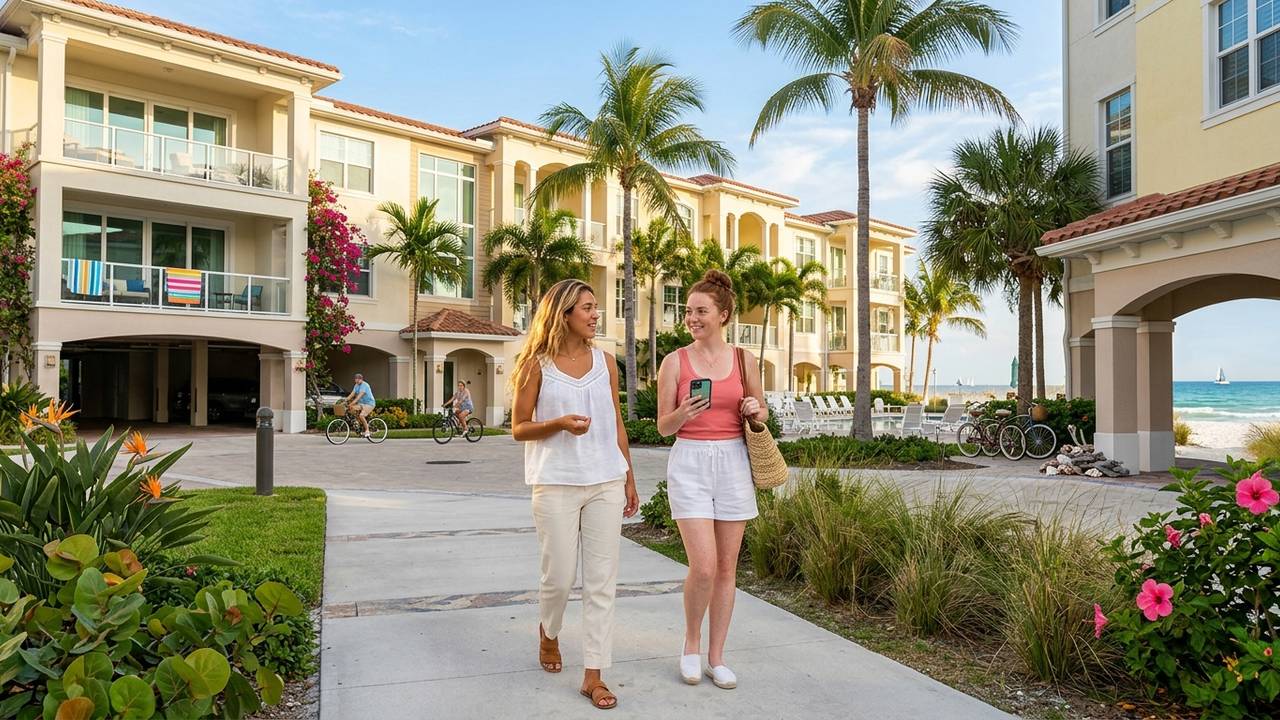
Image generated by AI
Southwest Florida’s shifting rental market offers prospective tenants stronger negotiating power and lower baseline costs than in recent years. With asking prices declining across major municipalities, movers now have expanded inventory to choose from and greater leverage on lease terms. Understanding how rent trends vary by city, how seasonal population shifts impact housing availability, and how to properly structure insurance and utility budgets will help new residents avoid common financial and logistical pitfalls.
Rental Prices Cool Across Key Municipalities
Following a period of historic rent increases, Southwest Florida’s leasing environment has transitioned into a renter-favorable phase. Broader inventory growth and increased competition among property managers have applied consistent downward pressure on listing prices. Year-over-year rent reductions highlight where the most significant opportunities exist for tenants seeking stability and cost control.
| Southwest Florida Cities | Rent Drop Percentage Year-Over-Year |
|---|---|
| Cape Coral | 6.6% |
| Fort Myers | 6% |
| Naples | 2.9% |
| Sarasota | 4% |
| Venice | 9.3% |
This market correction means prospective residents can expect more flexibility on lease conditions, reduced monthly commitments, and a wider selection of available units. Tenants who have been monitoring the region are finding that current conditions allow for strategic budgeting and less competitive bidding during lease applications.
Municipal Profiles: Aligning Lifestyle with Location
Southwest Florida comprises distinct communities, each catering to different budgets, transportation needs, and lifestyle preferences. Selecting a municipality should begin with daily lifestyle requirements, with rental cost serving as a secondary filter.
Fort Myers operates as the region’s primary commercial and residential hub. The city offers the broadest spectrum of neighborhoods, ranging from budget-friendly downtown condominiums to higher-end waterfront properties along the Caloosahatchee River. Its central location and diverse housing stock make it a practical base for professionals and families seeking variety and regional connectivity.
Naples maintains a distinctly premium market profile. The area is known for golf-focused residential communities, upscale retail corridors, and fine dining. Despite a 2.9% year-over-year rent correction, the city retains its high-cost positioning, though the adjustment allows renters to secure slightly more value compared to peak market years.
Cape Coral is defined by its extensive waterway network, featuring over 400 miles of navigable canals. The city’s residential layout leans toward a quieter, suburban atmosphere compared to its neighbors. A 6.6% rent decline has made Cape Coral particularly attractive for tenants seeking waterfront access and larger living spaces without metropolitan pricing.
Sarasota and Venice also reflect the regional cooling trend. Sarasota has seen a 4% rent decrease, offering a balanced mix of cultural amenities and coastal living. Venice recorded the steepest decline in the region at 9.3%, positioning it as a highly accessible option for budget-conscious renters seeking Gulf Coast proximity.
Hurricane Windows and Insurance Requirements
Southwest Florida sits within a highly active tropical storm corridor, making seasonal preparedness a critical component of residential planning. The official hurricane season spans June 1 through November 30, with peak activity typically concentrated between mid-August and mid-October.
Renters must distinguish between a landlord’s property insurance and a personal renters insurance policy. Landlord policies cover structural elements, including exterior walls, roofing, and built-in systems. They do not extend to personal belongings, electronics, or furnishings. Furthermore, if a storm event renders a rental unit uninhabitable, standard landlord coverage does not fund temporary housing. A personal renters insurance policy fills this gap and is frequently mandated by leasing agreements.
Flood protection operates independently from standard renters coverage. Florida water damage claims often hinge on the specific source of the intrusion: wind-driven rain may fall under certain policies, while storm surge and rising groundwater typically require a separate flood insurance policy. Prospective tenants should request the property’s flood zone designation before signing. Those located in coastal ZIP codes or low-elevation areas should strongly consider adding a contents-only flood policy to avoid substantial out-of-pocket replacement costs.
Seasonal Population Shifts and Transportation Realities
The region experiences a pronounced demographic shift driven by seasonal migration. Between November and March, an influx of winter residents significantly increases demand for housing, dining, and retail services. Restaurant wait times typically lengthen, regional traffic density rises, and rental competition intensifies. Movers with flexible timelines often find better pricing, higher inventory availability, and more cooperative lease negotiations by targeting the May through October window. This off-season period also allows new residents to acclimate before the winter rush.
Southwest Florida’s urban development pattern is highly automobile-dependent. Pedestrian infrastructure and public transit options remain limited outside specific corridors, and daily errands typically require driving. Prospective residents should factor vehicle ownership costs into their monthly budgets, including Florida’s comparatively high auto insurance premiums. These rates are driven by regional traffic patterns, severe weather exposure, and state litigation frameworks.
Utility Costs and Summer Budgeting
Monthly living expenses in Southwest Florida require careful forecasting, particularly regarding climate control. Average utility costs in Fort Myers hover around $376 per month, though summer months consistently push these figures higher due to continuous air conditioning usage. Renters relocating from temperate climates often underestimate this seasonal spike.
Evaluating a rental listing should include a full cost-of-usage analysis rather than focusing solely on base rent. Prospective tenants should inquire about historical summer electric rates, verify whether meters are individually or master-metered, and calculate whether utility-included pricing offers genuine long-term savings.
| Southwest Florida Cities | Rent Drop Percentage Year-Over-Year |
|---|---|
| Cape Coral | 6.6% |
| Fort Myers | 6% |
| Naples | 2.9% |
| Sarasota | 4% |
| Venice | 9.3% |
Key Takeaways
- Southwest Florida rents are declining across all major municipalities, with Venice and Cape Coral seeing drops above 6%.
- Landlord insurance covers building structure only; renters insurance is required to protect personal property and cover temporary housing after storm damage.
- Standard renters insurance excludes flood damage. Coastal and low-lying properties require a separate flood policy.
- Snowbird season (November–March) significantly increases rental competition, traffic, and service wait times.
- Average Fort Myers utilities run ~$376 monthly, with summer A/C usage driving costs higher. Auto dependency and high insurance rates are standard regional factors.
FAQ
Which Southwest Florida cities offer the largest rent reductions right now? Venice leads with a 9.3% year-over-year decline, followed by Cape Coral at 6.6% and Fort Myers at 6%. Naples and Sarasota have also seen moderate corrections of 2.9% and 4%, respectively.
Do I need flood insurance if I already have renters insurance? Yes. Standard renters policies exclude flood damage from storm surge or rising water. If you are leasing in a coastal ZIP code or a designated flood zone, a separate contents-only flood policy is strongly recommended.
How does snowbird season affect rental availability and pricing? From November through March, seasonal migration increases housing demand, thins available inventory, and reduces landlord negotiation flexibility. Securing a lease between May and October typically provides better pricing, more unit options, and smoother move-in terms.
Why are auto insurance rates in Southwest Florida higher than average? Florida’s auto insurance premiums are elevated due to high traffic density, frequent severe weather events, and state-specific litigation patterns. Prospective movers should budget for vehicle insurance separately from housing costs.
Should I look for a utility-included lease in this market? Utility-included pricing can simplify budgeting, but renters should verify historical summer electric rates and confirm whether meters are individually or master-metered. Comparing included pricing against standard metered rates ensures you are not overpaying during peak cooling months.
Related Travel Guides
Disclaimer
This article is for informational and educational purposes only. It does not constitute legal, financial, or professional advice. While we strive to provide accurate and up-to-date information, travel policies, regulations, and conditions change rapidly. Always verify information with official sources before making travel decisions. Nomad Lawyer makes no representations about the accuracy, reliability, completeness, or suitability of the information provided. Readers should consult qualified professionals for advice specific to their circumstances. The views expressed in this article are those of the author and do not necessarily reflect the views of Nomad Lawyer.
Preeti Gunjan
Contributor & Community Manager
A passionate traveller and community builder. Preeti helps grow the Nomad Lawyer community, fostering engagement and bringing the reader experience to life.
Learn more about our team →