
Southwest Airlines Flight WN4624 Diverts to Orlando International Airport Due to Operational Issues in 2026
Southwest Airlines flight WN4624, a Boeing 737-700 traveling from Nashville to Jacksonville, was forced to divert to Orlando International Airport on July 31, 2026, due to severe weather and fuel concerns.

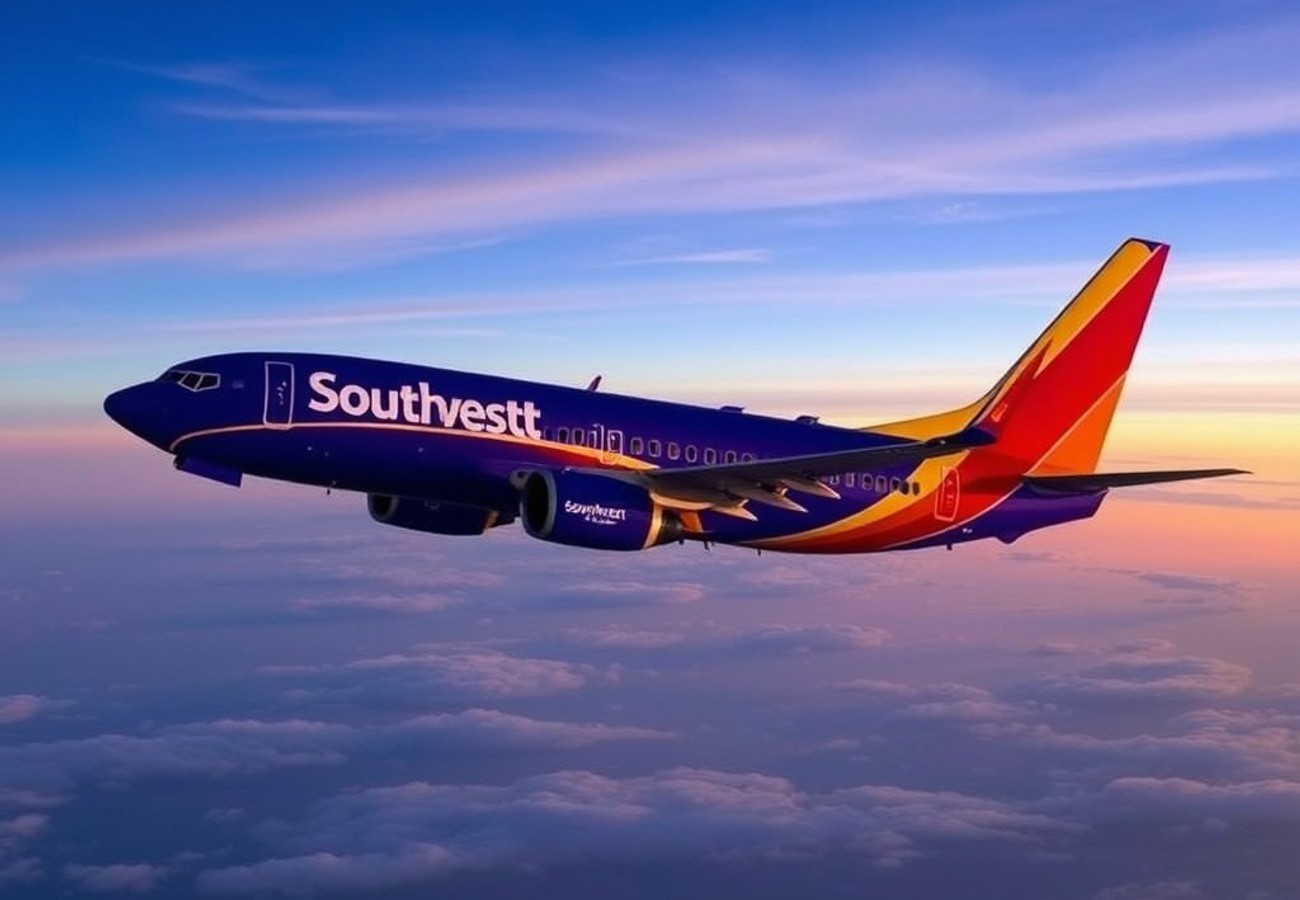
Image generated by AI
Passengers on Southwest Airlines flight WN4624 experienced a significant mid-air disruption on July 31, 2026, when their flight from Nashville to Jacksonville was forced to divert to Orlando International Airport. The Boeing 737-700 aircraft landed safely in central Florida before eventually completing its journey to its original destination later that night.
Flight diversions, while stressful for travelers, are standard safety maneuvers used by flight crews to mitigate risks associated with weather, mechanical failures, or fuel exhaustion. In the case of WN4624, the decision to reroute was driven by a combination of atmospheric conditions and strict aviation safety protocols.
Operational Timeline of Flight WN4624 from Nashville
The journey began at Nashville International Airport (BNA), where flight WN4624 pushed back from the gate at 19:09 CDT, just nine minutes after its scheduled 19:00 departure. The flight crew expected a standard ninety-minute transit to Jacksonville International Airport (JAX).
However, as the aircraft approached northern Florida, the situation changed. Due to unexpected operational challenges, the crew abandoned the approach to Jacksonville and requested a diversion to Orlando International Airport (MCO). The aircraft touched down in Orlando at approximately 21:44 EDT.
After a period of ground evaluation and refueling, the flight departed Orlando at 23:14 EDT. The final leg of the trip lasted thirty-two minutes, with the aircraft finally landing in Jacksonville at 23:46 EDT.
Technical Specifications of the Boeing 737-700
There has been some conflicting data regarding the aircraft model used for this route, with some initial queries suggesting an Airbus frame. However, official registration records confirm that flight WN4624 was operated by a Boeing 737-700, registration N567WN.
Southwest Airlines operates a streamlined fleet consisting exclusively of Boeing 737 aircraft. The 737-700 model is a narrow-body, twin-engine jet powered by CFM56 engines and featuring winglets to improve fuel efficiency. Registration N567WN is a veteran airframe with thousands of logged flight hours and a consistent record of operational reliability.
Weather and Fuel Constraints in Northern Florida
The decision to divert to Orlando was primarily influenced by the volatile summer weather patterns common in the southeastern United States. Coastal Florida frequently experiences severe thunderstorms during this season, which can drastically reduce landing visibility and create hazardous approach conditions at airports like Jacksonville (JAX).
When severe weather forces aircraft into "holding patterns"—where planes circle the destination awaiting a clear window to land—they consume critical fuel reserves. Federal Aviation Administration (FAA) regulations require pilots to maintain a specific amount of reserve fuel to ensure they can reach an alternate airport if the primary destination becomes unavailable.
In this instance, the risk of remaining in a holding pattern exceeded the safety margins for fuel. Landing at Orlando International Airport (MCO) was the most logical choice because it serves as a major operational hub for Southwest Airlines, providing immediate access to maintenance crews, refueling infrastructure, and staff support.
Passenger Protection and Diversion Protocols
Aviation safety is governed by rigid frameworks designed to prioritize passenger lives over schedule adherence. Under FAA guidelines, flight crews must constantly monitor weather radar and fuel burn rates. If the "bingo fuel" level (the minimum fuel required to divert to an alternate airport) is approached, a diversion is mandatory.
The handling of passengers during such events depends on the length of the delay:
- Short-term disruptions: Passengers typically remain on the aircraft while ground crews perform rapid refueling and safety checks.
- Extended delays: Airlines are expected to provide gate access, refreshments, and, if necessary, re-booking options or hotel accommodations.
For the passengers of WN4624, the diversion resulted in a few hours of delay but avoided the higher risks associated with attempting a landing in severe weather or risking fuel depletion.
Flight Data Summary
| Flight Detail | Specification |
|---|---|
| Flight Number | WN4624 |
| Aircraft Model | Boeing 737-700 |
| Registration | N567WN |
| Departure Airport | Nashville International (BNA) |
| Intended Destination | Jacksonville International (JAX) |
| Diversion Airport | Orlando International (MCO) |
| Departure Time (BNA) | 19:09 CDT |
| Landing Time (MCO) | 21:44 EDT |
| Departure Time (MCO) | 23:14 EDT |
| Final Landing Time (JAX) | 23:46 EDT |
Why This Matters: The Legal and Logistical Reality of Diversions
For the average traveler, a diversion feels like a failure of service, but from a legal and logistical standpoint, it is a successful execution of safety protocols. When a pilot chooses to divert, they are exercising their ultimate authority to ensure the safety of the flight, a decision that protects the airline from catastrophic liability and, more importantly, protects passenger lives.
From a passenger rights perspective, diversions caused by "acts of God" (such as severe weather) typically do not entitle travelers to monetary compensation under most airline contracts of carriage, as these are considered outside the airline's control. However, the efficiency with which Southwest utilized its Orlando hub to turn the plane around demonstrates the importance of "hub-and-spoke" logistics. By diverting to a location where they have their own staff and fuel contracts, the airline minimized the delay that would have occurred had they landed at a smaller, third-party airport.
Ultimately, this incident highlights the thin margin between a routine flight and a disruption during the Florida summer. For passengers, the takeaway is that "operational difficulties" are often a coded term for the invisible battle between fuel reserves and weather patterns.
Safety in aviation is measured not by the absence of diversions, but by the precision with which they are executed.
Related Travel Guides
Disclaimer
This article is for informational and educational purposes only. It does not constitute legal, financial, or professional advice. While we strive to provide accurate and up-to-date information, travel policies, regulations, and conditions change rapidly. Always verify information with official sources before making travel decisions. Nomad Lawyer makes no representations about the accuracy, reliability, completeness, or suitability of the information provided. Readers should consult qualified professionals for advice specific to their circumstances. The views expressed in this article are those of the author and do not necessarily reflect the views of Nomad Lawyer.
Raushan Kumar
Founder & Lead Developer
Full-stack developer with 11+ years of experience and a passionate traveller. Raushan built Nomad Lawyer from the ground up with a vision to create the best travel and law experience on the web.
Learn more about our team →