
Southern US Heat Dome: Severe Weather Alert and Heat Safety Guide for Travelers in August 2026
A severe heat dome settles over the southern United States, bringing temperatures over 100°F and heat indices up to 115°F from Oklahoma to the Carolinas.

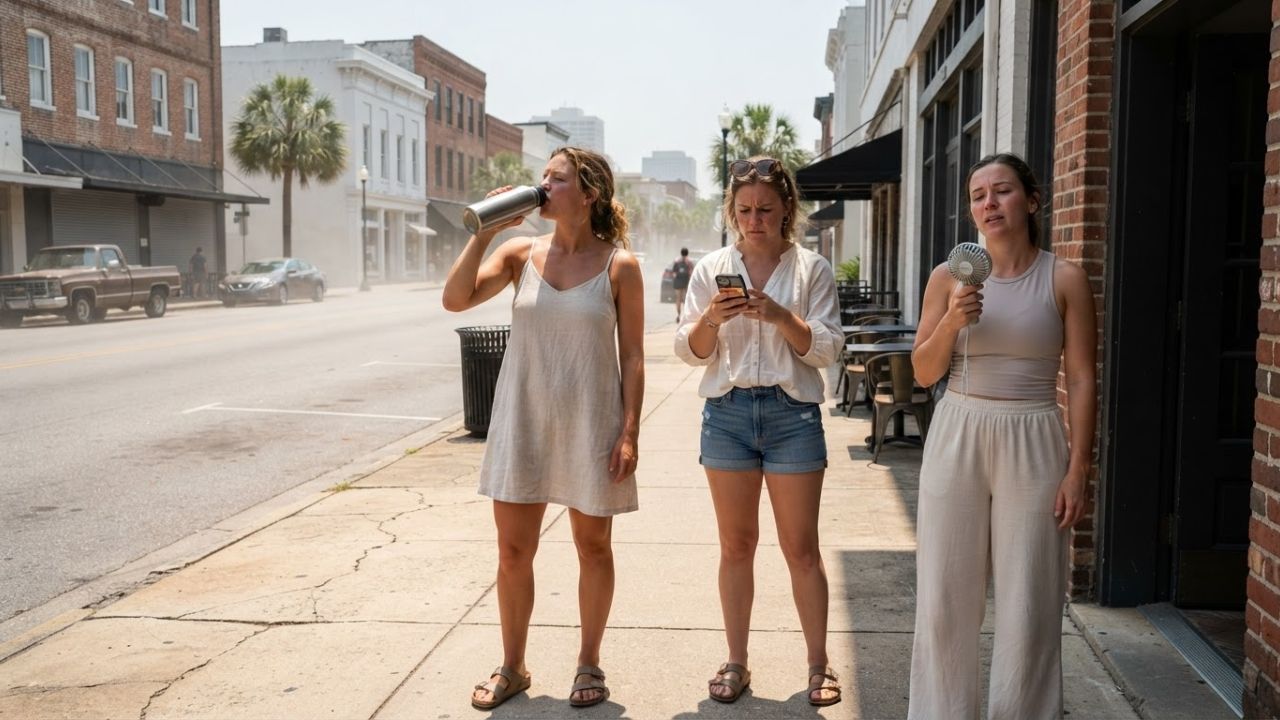
Image generated by AI
A dangerous atmospheric heat dome has settled across the southern United States, pushing temperatures above 100 degrees Fahrenheit and driving AccuWeather RealFeel® indices up to a dangerous 115 degrees.
The weather patterns in the southern third of the United States are experiencing a significant atmospheric anomaly, driven by a persistent high-pressure ridge. According to meteorologists at AccuWeather, this extensive heat dome is centered over the Gulf Coast and is projected to persist through the upcoming weekend. The meteorological event is characterized by a strong August sun angle, high humidity, and light winds, which prevent the air from cooling down at night. Overnight lows are expected to remain in the 80s in many urban centers, providing little physical recovery.
For the visitor, the real impact is a sustained period of intense thermal stress that makes daytime travel and outdoor recreation highly hazardous. Urban environments are struggling to cool down due to the urban heat island effect, challenging historical averages. Cities like Little Rock, Arkansas, are facing daytime highs that are 10 degrees Fahrenheit above normal averages. This regional climate volatility requires travelers to adopt a flexible, climate-conscious approach to their itineraries.
Transportation Infrastructure Risks and Logistical Disruptions
The impact of this high-pressure thermal system on transportation networks and logistics is profound. Extreme temperatures can cause physical damage to infrastructure:
- Roadways and Rails: Thermal expansion can cause asphalt to buckle and railway tracks to warp, leading to speed restrictions and travel delays.
- Aviation Operations: High ambient air temperatures reduce air density, which can affect aircraft lift during takeoff, forcing airlines to implement weight restrictions or delay flights during peak heat hours.
- Vehicular Stress: High-performance cooling systems are placed under extreme strain. A cooling system failure on a remote southern highway is a severe safety emergency.
Travelers with children, elderly relatives, or pets must ensure their vehicles are in peak mechanical condition before embarking on road trips across the region, making vehicle inspections a necessary travel precaution.
Regional Travel Adaptations and E-E-A-T Safety Standards
Modern travel planning must account for these frequent, data-driven climate events. Historically, heat warnings were localized and issued on short notice. Today, agencies like the National Weather Service (NWS), the Federal Emergency Management Agency (FEMA), and the Centers for Disease Control and Prevention (CDC) provide coordinated, proactive warnings to help the public prepare.
The travel industry is adapting by incorporating real-time heat index values into ticketing platforms and schedule updates. This allows tour operators and transit companies to adjust departure times to cooler hours, ensuring passenger comfort and safety. Travelers are advised to monitor official weather alerts and local news stations regularly to adjust their plans, allowing for cancellation or rebooking options if thermal volatility increases.
Practical Heat Safety: Travel Health Dos and Don’ts
To ensure safety and protect your travel health, the following guidelines are established for journeys across the southern heat dome:
Dos for Travelers
- Prioritize Consistent Hydration: Consume water throughout the day, regardless of your physical activity levels or thirst. Carry a reusable, insulated water bottle to keep drinks cool.
- Adjust Your Activity Schedule: Plan strenuous outdoor activities for early morning hours and avoid peak sun exposure during the late afternoon.
- Wear Appropriate Clothing: Dress in loose-fitting, light-colored, and breathable fabrics to help regulate body temperature.
- Utilize Climate-Controlled Spaces: Plan visits to museums, galleries, or public libraries during the hottest parts of the day.
- Check Surface Temperatures for Pets: Hot pavement can easily burn pet paws. If the surface is too hot for the back of your hand, it is too hot for your pet.
Don’ts for Travelers
- Never Leave Living Beings in Parked Vehicles: Internal temperatures in parked cars can reach lethal levels within minutes, even with the windows cracked.
- Do Not Ignore Symptoms of Heat Illness: Watch for signs of heat exhaustion or heat stroke, including dizziness, confusion, nausea, a rapid pulse, or clammy skin. Seek immediate medical help if symptoms appear.
- Avoid Dehydrating Beverages: Limit your intake of alcohol and highly caffeinated drinks, as these substances accelerate fluid loss.
- Do Not Push Through Physical Fatigue: Rest frequently in shaded or air-conditioned areas under high thermal pressure.
- Do Not Rely Solely on Breezes: High relative humidity reduces the cooling effect of sweat, making fan wind less effective when relative humidity is high.
Environmental Impact and Eco-Friendly Travel Adaptations
Extremely high temperatures place a heavy burden on local power grids and increase municipal water demands. Travelers can adopt eco-friendly travel habits to help reduce this pressure:
- Reduce Vehicle Idling: Avoid running your engine while parked to prevent adding heat and emissions to the local air.
- Support Local Water Conservation: Limit water waste in hotels and use public water refill stations to reduce single-use plastic bottle waste.
- Use Public Transit: Opt for public transit systems, such as the METRO Streetcar in Little Rock, to help reduce traffic congestion and lower the urban heat signature.
Destination Expert Insider Tips for Little Rock, Arkansas
For travelers visiting Little Rock during this severe weather alert, local destination experts recommend the following safety tips and indoor attractions:
- Escape the Heat at the Clinton Presidential Library: The William J. Clinton Presidential Library and Museum offers a fully air-conditioned environment. Download their official mobile app in advance for a self-guided audio tour narrated by the former president. Check their website for senior, veteran, and student ticket discounts, and dine at the on-site 42 bar and table restaurant.
- Time Your River Market Visits Wisely: The River Market district offers a mix of indoor markets and outdoor spaces. Visit the indoor galleries and shops during the afternoon heat. If attending outdoor concerts at the First Security Amphitheater or the weekend Farmers Market, schedule your visits for early morning or late evening hours.
- Hike Pinnacle Mountain at Dawn Only: If you plan to hike Pinnacle Mountain State Park, start at dawn (before 6:00 am) and complete your hike before 10:00 am. The trails are exposed and rocky. There is no water available on the trails, so carry at least 2 liters of water per person (and extra for pets).
- Stay on Marked State Park Trails: Follow park safety regulations and stay on marked paths. The West Summit Trail is popular, but remember to save half of your water and energy for the return descent.
Long-Term Outlook for Climate-Aware Travel Planning
The long-term outlook for summer travel in the United States requires an increased focus on climate resiliency. As extreme heat dome events become more frequent, travelers must prioritize flexible itineraries, comprehensive travel insurance, and real-time weather monitoring.
By collaborating with regional tourism promotion boards and conservation bodies, the travel industry is developing heat-resilient tourist facilities, adding shading in public parks, and upgrading water refill infrastructure. Many Southern cities are establishing public cooling stations and heat shelters to protect vulnerable visitors and local residents. These steps ensure that travelers can continue to explore the historic cities, national preserves, and cultural landmarks of the American South safely and comfortably, protecting both visitor safety and local resources for the future.
Related Travel Guides
Disclaimer
This article is for informational and educational purposes only. It does not constitute legal, financial, or professional advice. While we strive to provide accurate and up-to-date information, travel policies, regulations, and conditions change rapidly. Always verify information with official sources before making travel decisions. Nomad Lawyer makes no representations about the accuracy, reliability, completeness, or suitability of the information provided. Readers should consult qualified professionals for advice specific to their circumstances. The views expressed in this article are those of the author and do not necessarily reflect the views of Nomad Lawyer.
Kunal K Choudhary
Co-Founder & Contributor
A passionate traveller and tech enthusiast. Kunal contributes to the vision and growth of Nomad Lawyer, bringing fresh perspectives and driving the community forward.
Learn more about our team →