
Southern Railway Reopens Haywards Heath to Lewes Line Following August 13 Derailment Recovery 2026
Southern Railway restores vital Sussex connectivity as the Haywards Heath to Lewes line reopens following a complex recovery of eight derailed carriages.

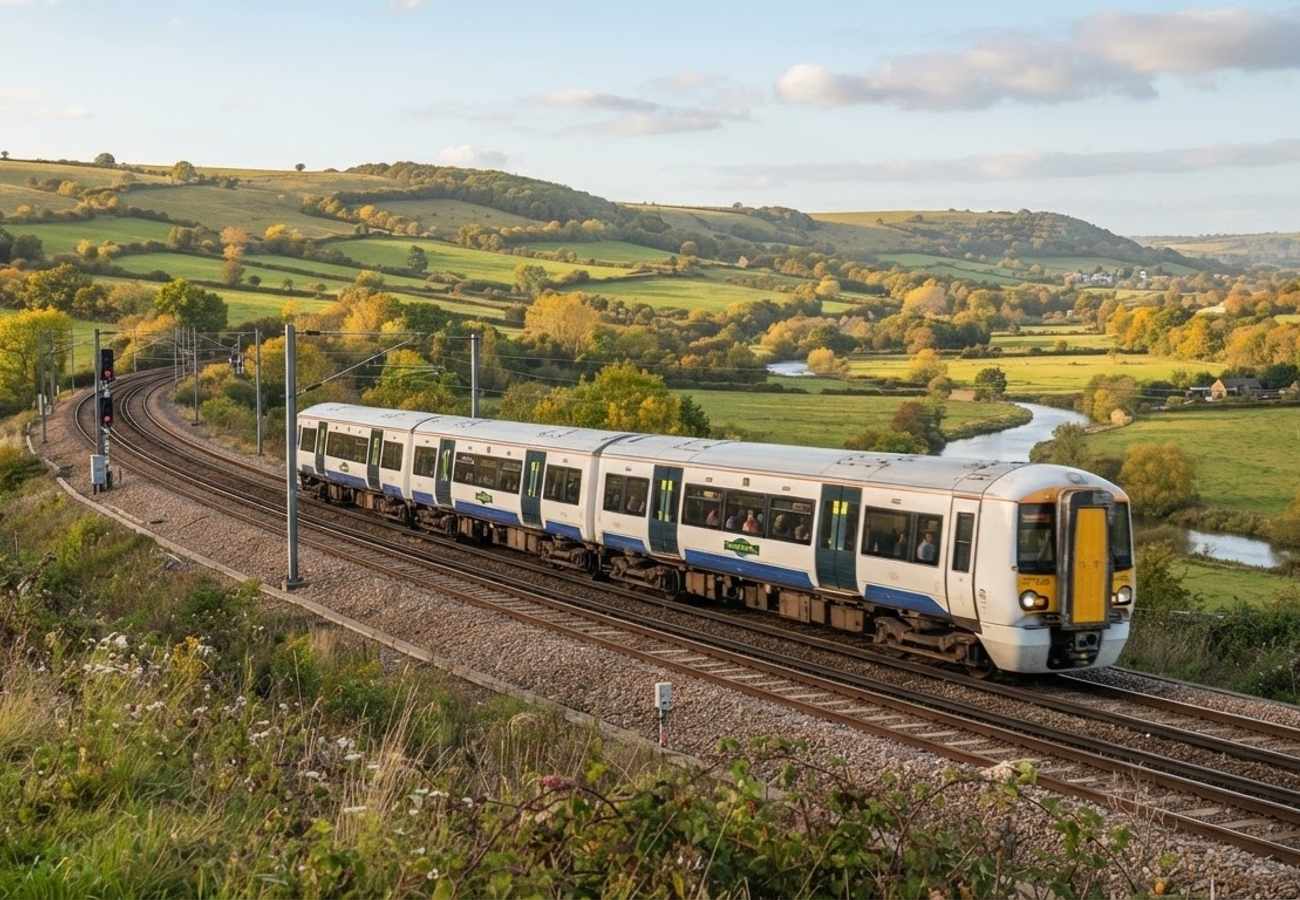
Image generated by AI
The Haywards Heath to Lewes rail connection is officially operational as of September 1, 2026, ending weeks of disruption after a complex recovery of eight derailed carriages.
The Recovery Operation Revealed
The restoration of the line between Haywards Heath and Lewes marks the end of an intensive engineering effort triggered by a derailment on August 13. For nearly three weeks, Southern Railway and Network Rail managed a high-stakes reconstruction project to replace damaged infrastructure and ensure the route met stringent safety standards before returning to passenger service.
The operation was not a simple matter of clearing tracks. The derailment occurred in a geographically challenging area near the River Ouse, requiring specialist Kirow cranes to lift all eight carriages from the site. Because of the soft terrain and environmental sensitivity of the riverbank, engineers had to construct temporary foundations and working platforms to support the massive weight of the recovery machinery.
Once the rolling stock was removed, the project shifted from recovery to full-scale reconstruction. The impact of the derailment had compromised the embankment, ballast, and the track itself. The subsequent work involved significant earthworks to stabilize the ground, the installation of new track, and the complete reinstatement of signaling systems.
Cultural and Environmental Value
For the visitor, the real impact of this reopening is the restoration of a low-carbon artery through the heart of Sussex. The proximity to the River Ouse meant that Network Rail and Southern Railway had to coordinate with environmental teams to ensure that heavy civil engineering did not permanently damage the local ecosystem.
The successful return of this service supports the regional "slow travel" movement, allowing tourists to move between the market town of Lewes and the wider Sussex region without relying on private vehicles. By prioritizing the restoration of the rail link over temporary road solutions, the regional transport authorities have reinforced the importance of sustainable connectivity for both the local economy and the environment.
The reopening is timed specifically with the return of the school term and the transition into autumn travel patterns. This ensures that students, commuters, and leisure travelers can avoid the congestion of rail replacement buses, which often struggle with the narrow lanes characteristic of the Sussex countryside.
Visitor Insider Tips
For those planning a trip to the Lewes and Haywards Heath corridor, keep these local insights in mind:
- Off-Peak Exploration: To avoid the September school-run rush, aim for mid-week travel between 10:00 AM and 3:00 PM. This is when the trains are quietest and the views of the Ouse Valley are most serene.
- Lewes Hidden Gems: Once you arrive in Lewes, skip the main high street crowds and explore the "Anne of Cleves" house or the historic ruins of Lewes Castle, both within walking distance of the station.
- Local Dining: Look for independent cafes near the Haywards Heath station that source produce from the surrounding South Downs; it is the best way to support the local agrarian economy.
- Ticket Tip: Use the Southern Railway app to check for real-time updates, as schedules may still be adjusting slightly following the transition from replacement bus services.
Tourism Outlook
The long-term impact of this recovery is a reinforced confidence in the resilience of the Sussex rail network. For the tourism sector, the ability to quickly restore a vital link demonstrates a capacity for crisis management that protects the region's reputation as a dependable destination.
Reliable rail connectivity is the backbone of multi-stop itineraries. With the line now open, visitors can once again seamlessly link their journeys between the coast and the interior of the county, benefiting local businesses and hospitality providers who rely on the predictable flow of foot traffic.
The return of the rails ensures Sussex remains accessible, sustainable, and open for exploration.
Related Travel Guides
Disclaimer
This article is for informational and educational purposes only. It does not constitute legal, financial, or professional advice. While we strive to provide accurate and up-to-date information, travel policies, regulations, and conditions change rapidly. Always verify information with official sources before making travel decisions. Nomad Lawyer makes no representations about the accuracy, reliability, completeness, or suitability of the information provided. Readers should consult qualified professionals for advice specific to their circumstances. The views expressed in this article are those of the author and do not necessarily reflect the views of Nomad Lawyer.
Kunal K Choudhary
Co-Founder & Contributor
A passionate traveller and tech enthusiast. Kunal contributes to the vision and growth of Nomad Lawyer, bringing fresh perspectives and driving the community forward.
Learn more about our team →