
South Africa Township Tourism Drives Regional Cultural Heritage Growth
Township tourism in Cape Town, Durban, and Johannesburg is growing, shifting travel focus toward community-led cultural heritage experiences.
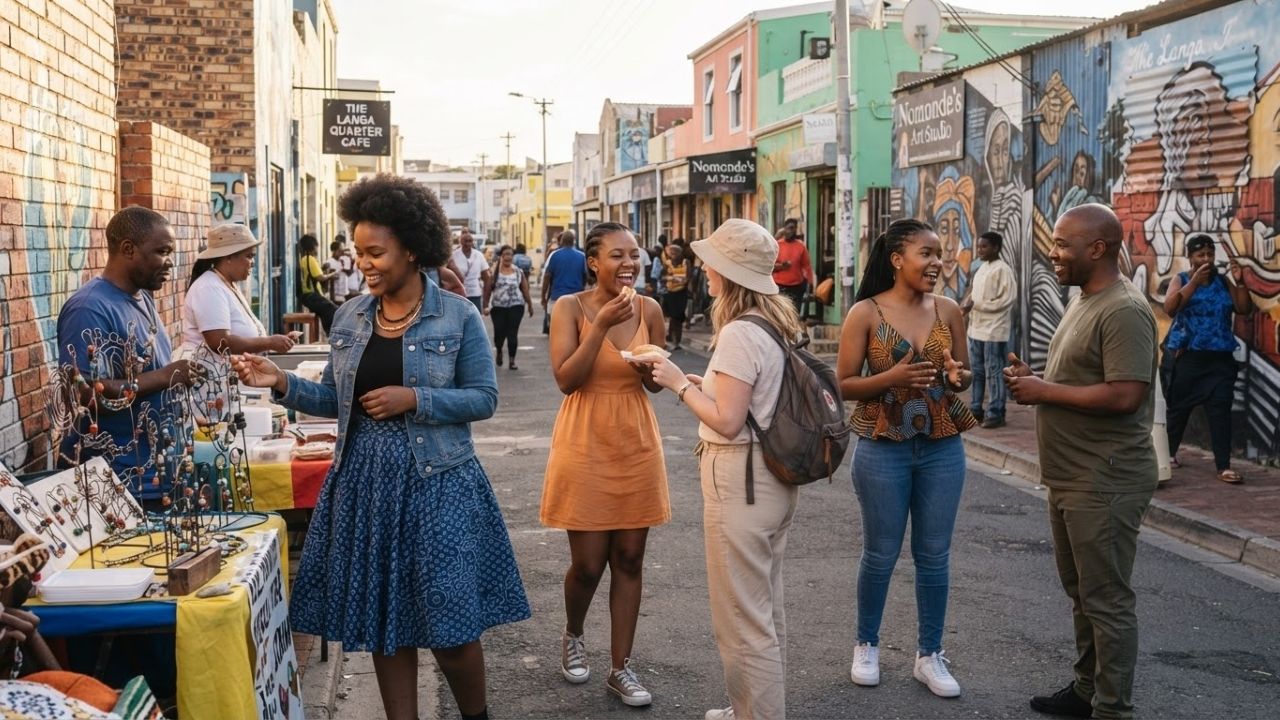
Image generated by AI
Transforming regional travel across Cape Town, Durban, and Johannesburg, community-led township tourism is driving a major shift toward cultural heritage preservation.
The Core Transit Update
Responsible tourism strategies and experiential travel programs are reshaping visitor behavior in South Africa. Instead of restricting their itineraries to conventional wildlife safaris or scenic coastline drives, global travelers are increasingly booking guided tours into historic urban townships.
By prioritizing locally operated walking, cycling, and dining experiences, these programs allow visitors to engage directly with South Africa's diverse social history while ensuring that tourism revenue directly supports local guides, artists, food entrepreneurs, and community-run businesses.
Township Destination Profiles & Responsible Travel
Planning an immersive journey through South Africa's historic communities requires matching regional destinations with optimal visiting windows and sustainable travel practices. The following tables outline the key township gateways and core responsible tourism elements.
| Township Destination | Location / Region | Established Year | Primary Historical & Cultural Heritage focus | Optimal Visiting Window |
|---|---|---|---|---|
| Soweto | Johannesburg | 1960s (S.W. Townships) | Vilakazi Street, 1976 Uprising, heritage sites | September – October |
| Langa | Cape Town | 1927 | Anti-pass protests of 1960, Xhosa history, crafts | October – March |
| Alexandra | Johannesburg | 1912 | Early land rights, guided cycling experiences | Spring / Early Summer |
| KwaMashu | Durban (KZN) | 1959 | Relocation histories, music, traditional food | May – September |
| Khayelitsha | Cape Town | 1983 | "New home", cycling tours, entrepreneurial crafts | November – March |
Profiles of South Africa's leading township tourism destinations.
| Responsible Tourism Element | Key Local Economic Benefit | Recommended Traveler Conduct | Rationale / Community Support |
|---|---|---|---|
| Local Guide Booking | Direct income for resident guides | Hire guides licensed within the community | Ensures historical narratives are authentic |
| Supporting Neighborhood Dining | Food entrepreneur revenue | Order traditional meals at local venues | Retains tourism revenue in local economy |
| Local Creative Purchases | Artisan & craft business support | Buy direct from independent art spaces | Encourages grassroots economic growth |
Sustainable practices for township travelers in South Africa.
Traveler Logistics Guide
From a ground-level perspective, the best way to navigate this is to skip generic vehicle drive-throughs and instead book small-group walking or cycling tours operated entirely by local resident guides, which allows for genuine personal interaction while supporting local businesses. Checking weather windows is recommended.
To plan your township itinerary:
- Pre-Book Licensed Guides: Ensure your tour guide is certified by local community tourism associations in Soweto, Langa, or Inanda to guarantee that fees return directly to the local economy.
- Observe Seasonal Windows: Plan your visit to Soweto during the spring months (September and October) when mild weather is ideal for walking tours, and visit Cape Town's townships (Langa and Khayelitsha) during the warmer months (October to March).
- Respect Local Privacy: Seek explicit permission from residents before photographing private homes, local businesses, or school children to maintain respectful cultural boundaries.
- Try Traditional Cuisine: Dine at locally owned township social venues and neighborhood cafes to try regional specialties—such as traditional Durban curry or Soweto barbecue—rather than returning to city center hotel dining.
Infrastructure Impact Assessment
The expansion of township tourism plays a key role in supporting the growth of public spaces, local transport networks, and small business incubators within historically marginalized communities.
By directing international traveler spending toward local infrastructure, these initiatives encourage investment in local craft markets, heritage centers, and cycling paths, facilitating broader economic integration and regional cultural preservation.
Related Travel Guides
Singapore Customs Guide: Prohibited Items and Baggage Regulations
Disclaimer
This article is for informational and educational purposes only. It does not constitute legal, financial, or professional advice. While we strive to provide accurate and up-to-date information, travel policies, regulations, and conditions change rapidly. Always verify information with official sources before making travel decisions. Nomad Lawyer makes no representations about the accuracy, reliability, completeness, or suitability of the information provided. Readers should consult qualified professionals for advice specific to their circumstances. The views expressed in this article are those of the author and do not necessarily reflect the views of Nomad Lawyer.