
Slovenia Integrates AI and Big Data into National Tourism Strategy for World Tourism Day 2026
Slovenia is leveraging artificial intelligence and a new national tourism data ecosystem to manage visitor flows and enhance sustainability ahead of World Tourism Day 2026.

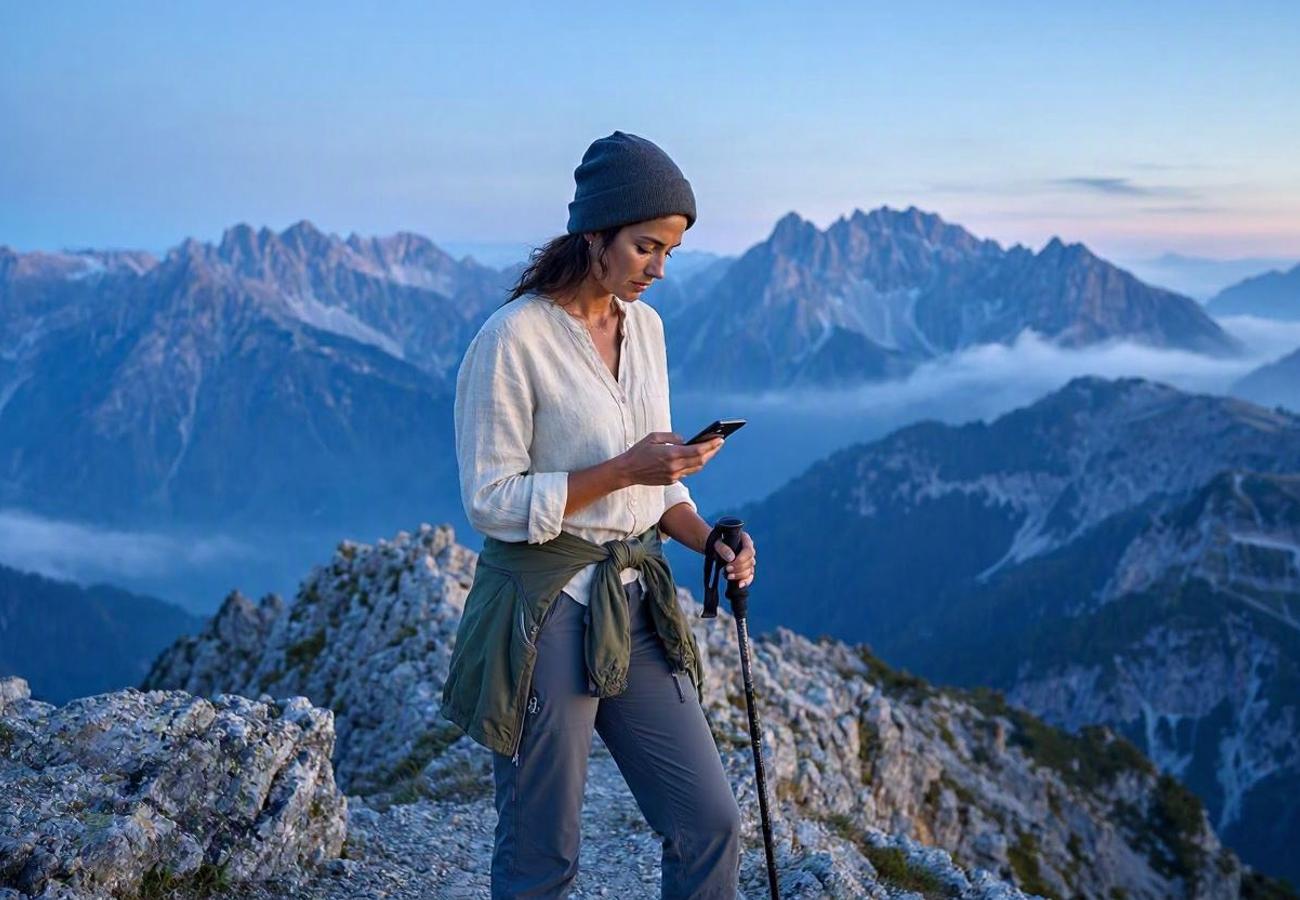
Image generated by AI
[Ljubljana, September 26, 2026] — Slovenia is deploying artificial intelligence and advanced data analytics to restructure its national tourism management system as it prepares for World Tourism Day. The initiative shifts the country's focus from simple visitor volume to a high-tech, sustainable model designed to prevent overtourism and personalize the traveler experience.
The strategic rollout, coinciding with the annual September 27 celebrations, focuses on the integration of digital transformation and AI to create a more efficient visitor-centric sector. By utilizing predictive modeling and real-time data, the Slovenian government aims to distribute tourist traffic more evenly across its regions and throughout the calendar year, reducing the strain on high-traffic alpine and cultural sites.
The Catalyst for Digital Transformation
The immediate driver for this technological pivot is the continued growth of Slovenia's international travel demand. While increasing visitor numbers provide an economic boon, they also create systemic pressure on local infrastructure and environmental assets. To mitigate this, Slovenia is moving away from traditional success metrics—such as total overnight stays—and toward a "smart management" philosophy.
Central to this effort is the use of AI-powered tools that allow tourism operators to offer tailor-made experiences. Rather than generic itineraries, new digital solutions match travelers with local guides based on specific hobbies and professional skills, ensuring a deeper, more authentic connection to the destination. This approach is supported by the World Tourism Organization (UN Tourism), which advocates for the use of technology to foster sustainable development in emerging destinations.
Impacted Sectors and Regional Markets
The digital overhaul affects every layer of the Slovenian travel economy, from rural homestays to urban luxury hotels. The following sectors are seeing the most significant shifts:
| Sector | Digital Implementation | Expected Outcome |
|---|---|---|
| Destination Management | Predictive visitor forecasting | Reduced congestion at popular landmarks |
| Local Tour Operators | AI-driven personalization | Higher visitor satisfaction and niche market growth |
| Rural Communities | Targeted seasonal marketing | Increased revenue for off-peak and remote regions |
| Government Agencies | National Data Ecosystem | Evidence-based policy and sustainability planning |
| Hospitality | Digital skill training programs | Improved online presence and operational efficiency |
The economic ripple effect extends beyond hotels and flights. The Slovenian Tourist Board is coordinating efforts to ensure that the creative industries, agriculture, and local retail sectors benefit from the redistribution of tourists toward lesser-known municipal areas.
Practical Traveler Advisory and Strategic Insights
For the modern traveler, Slovenia's shift toward an AI-driven ecosystem translates into a more seamless, less crowded experience. Instead of fighting crowds at the most famous lakes or castles, visitors will receive data-backed recommendations for alternative sites that match their specific interests.
Passenger and Visitor Impact:
- Personalized Planning: Travelers can expect AI-curated itineraries that link them with specialized local experts rather than generic tour groups.
- Real-Time Crowd Avoidance: Future digital tools will likely alert visitors to high-density areas, suggesting quieter, equally attractive alternatives in real-time.
- Enhanced Authenticity: By pushing traffic toward rural and under-visited regions, travelers will have more genuine interactions with local communities.
- Sustainable Footprint: The integration of carbon footprint measurements into the national data hub means travelers will have better visibility into the environmental impact of their trips.
The National Tourism Data Ecosystem
The cornerstone of this strategy is the establishment of a national tourism information hub. This is not a simple database but a sophisticated ecosystem that tracks over 60 distinct economic, social, and environmental indicators.
By monitoring variables such as destination pressure levels and resident satisfaction, the government can now make decisions based on "tourism intensity" rather than just revenue. This allows for a balanced approach where economic growth does not come at the expense of the local quality of life or environmental integrity.
To support this transition, the state has launched digital education programs. These initiatives provide financial support and training for small-scale tourism providers to master digital marketing and data usage, ensuring that rural entrepreneurs are not left behind by the rapid adoption of AI.
Slovenia's national tourism strategy for 2026 aims to leverage AI and big data to enhance the tourist experience, with a focus on sustainable tourism practices. The Slovenian Tourist Board has announced plans to integrate AI-powered chatbots and virtual reality experiences to promote the country's natural and cultural attractions. This initiative is expected to boost tourism revenue and promote Slovenia as a premier destination for eco-conscious travelers.
Navigating the AI-Human Balance
As algorithms increasingly dictate how travelers discover destinations and book services, Slovenia is wary of losing the "human touch." The current strategy positions AI as a supportive tool for efficiency and logistics, while keeping cultural authenticity and local traditions at the center of the visitor experience.
The challenge remains in maintaining a strong digital identity that doesn't sanitize the authentic, raw appeal of the Slovenian landscape. The government is emphasizing that while AI can optimize a booking or a route, it cannot replace the meaningful human interaction that defines high-value tourism.
FAQ: Slovenia Sustainable Tourism 2026
How will AI change my trip to Slovenia in 2026? You will likely encounter more personalized recommendations and tools that help you avoid crowded areas. AI will match you with local guides based on your specific interests, making your itinerary more unique and less generic.
Is Slovenia's digital shift affecting the cost of travel? The focus is on value and sustainability rather than price hikes. By promoting off-peak travel and lesser-known regions, the government aims to create more affordable options for travelers while supporting rural businesses.
What is the "National Tourism Data Ecosystem"? It is a government-led system that tracks 60+ indicators, including carbon footprints and resident satisfaction. It helps the country manage tourist flows to prevent overtourism and protect the environment.
Can I still find authentic, non-digital experiences in Slovenia? Yes. Slovenia is using technology to facilitate authentic experiences, not replace them. AI handles the logistics and planning, while the actual travel remains focused on local traditions and nature.
Slovenia is betting that the future of travel lies not in more tourists, but in smarter tourism.
Related Travel Guides
Disclaimer
This article is for informational and educational purposes only. It does not constitute legal, financial, or professional advice. While we strive to provide accurate and up-to-date information, travel policies, regulations, and conditions change rapidly. Always verify information with official sources before making travel decisions. Nomad Lawyer makes no representations about the accuracy, reliability, completeness, or suitability of the information provided. Readers should consult qualified professionals for advice specific to their circumstances. The views expressed in this article are those of the author and do not necessarily reflect the views of Nomad Lawyer.
Raushan Kumar
Founder & Lead Developer
Full-stack developer with 11+ years of experience and a passionate traveller. Raushan built Nomad Lawyer from the ground up with a vision to create the best travel and law experience on the web.
Learn more about our team →